Skip to content
Save up to 80% Fast & Discrete Delivery
Bactrim
Quality products
Fast & Discrete Delivery
Money-back guarantee

Bactrim

4.5 (4 customer reviews)
Delivery: 4-7 business days
Payment
24/7 Support
Active ingredient: Sulfamethoxazole, Trimethoprim

Free bonus tablets with every order: 4 on any order, 8 over $112.00, 12 over $222.88, 16 over $334.88

256-bit SSL
Certified pharmacy
Money-back guarantee

Sulfamethoxazole and trimethoprim, the active ingredients of Bactrim, form a combination antibiotic used for susceptible bacterial infections, including urinary tract infections and selected respiratory, skin, and opportunistic infections. The two agents interrupt bacterial folate production at successive steps, limiting bacterial growth while leaving human folate pathways largely unaffected.

Overview

Bactrim tablets contain sulfamethoxazole and trimethoprim, an established antibacterial combination also called co-trimoxazole. It is used when the likely bacteria are susceptible and when this antibiotic fits the infection site, local resistance patterns, kidney function, and a patient’s other medicines.

Therapeutic indications

Bactrim is prescribed for bacterial infections when testing or clinical judgment supports sulfamethoxazole/trimethoprim as an appropriate choice. Urinary tract infections are a frequent reason for use, though local resistance among Escherichia coli can change whether it is a suitable first option.

Approved and guideline-supported contexts include:

  • Urinary tract infections caused by susceptible organisms
  • Acute exacerbations of chronic bronchitis caused by susceptible bacteria
  • Selected middle-ear infections in children when appropriate
  • Shigellosis and traveler’s diarrhea caused by susceptible bacteria
  • Treatment or prevention of Pneumocystis jirovecii pneumonia in specific patients
  • Selected uncomplicated skin infections caused by susceptible community-associated MRSA, when culture results and clinical findings support use

Management of urinary tract infections

For uncomplicated urinary tract infections, clinicians weigh local E. coli resistance rates, allergy history, pregnancy status, kidney function, and prior antibiotic exposure. The Infectious Diseases Society of America recommends avoiding empirical trimethoprim-sulfamethoxazole for uncomplicated cystitis when local resistance exceeds 20% or when the infecting organism is known to be resistant. [2]

Bactrim can relieve symptoms only when bacteria are susceptible. Burning during urination, fever, flank pain, blood in urine, or recurrent symptoms may need culture-directed treatment rather than repeated empirical antibiotic courses.

Improvement in urinary symptoms does not prove the infection is gone. Take the prescribed course exactly as planned unless a prescriber directs otherwise or a serious reaction occurs.

How it affects the body

Sulfamethoxazole resembles para-aminobenzoic acid, or PABA, a compound bacteria need to make folate. It blocks the early formation of dihydrofolic acid. Trimethoprim acts later by inhibiting dihydrofolate reductase, the bacterial enzyme that converts dihydrofolate into its active form. Without usable folate, bacteria cannot produce DNA efficiently or multiply normally. The paired blockade is stronger than either step alone and explains why sulfamethoxazole/trimethoprim has activity against several common bacterial pathogens. FDA prescribing information describes this sequential mechanism and the antibiotic’s approved infection-specific uses. [1]

Dual-action antibiotic properties

The two components work synergistically. This does not mean Bactrim treats every infection; bacteria can still be resistant, and viral illnesses such as colds or influenza do not respond to antibiotics.

Reasons not to use it

Bactrim is not for you if you have had a serious hypersensitivity reaction to sulfamethoxazole, trimethoprim, or related sulfonamide antibiotics. It is also contraindicated in documented trimethoprim-related drug-induced immune thrombocytopenia and in megaloblastic anemia caused by folate deficiency.

Avoid Bactrim or use it only under close medical direction when any of the following applies:

  • Severe kidney impairment without a suitable individualized regimen
  • Severe liver disease
  • Known folate-deficiency megaloblastic anemia
  • Pregnancy near term or breastfeeding of an infant at risk of bilirubin problems
  • Infants younger than two months
  • A history of severe skin reaction, anaphylaxis, or serious blood reaction to sulfonamide treatment
  • Glucose-6-phosphate dehydrogenase deficiency, where hemolysis risk may be higher

When this is not for you

Bactrim is not for you if you have had a serious hypersensitivity reaction to sulfamethoxazole, trimethoprim, or related sulfonamide antibiotics.

Avoid Bactrim or use it only under close medical direction when any of the following applies:

  • Severe kidney impairment without a suitable individualized regimen
  • Severe liver disease
  • Pregnancy near term or breastfeeding of an infant at risk of bilirubin problems
  • Infants younger than two months
  • A history of severe skin reaction, anaphylaxis, or serious blood reaction to sulfonamide treatment
  • Glucose-6-phosphate dehydrogenase deficiency, where hemolysis risk may be higher

Older adults deserve extra attention because reduced kidney clearance can increase drug exposure, and polypharmacy raises interaction risk. Kidney function and potassium monitoring are often considered when clinical circumstances warrant it.

Possible side effects

Most people who tolerate Bactrim experience either no major problem or mild digestive effects. Nausea, vomiting, reduced appetite, and diarrhea can occur. A mild rash may occur as well, yet any new rash during sulfonamide treatment deserves attention because sulfonamide reactions can progress unpredictably.

More serious reactions are uncommon but medically significant. They include severe skin reactions such as Stevens-Johnson syndrome and toxic epidermal necrolysis, blood-cell abnormalities, high potassium, kidney injury, hepatitis, and severe allergic reactions. Fever with rash, facial swelling, sore throat, mouth ulcers, unusual bruising, or profound fatigue should never be dismissed as ordinary treatment discomfort.

Reaction pattern Appropriate response
Mild nausea, reduced appetite, loose stool Maintain fluids and contact the prescriber if persistent or severe
New skin rash, fever, mouth sores, eye irritation Stop Bactrim and seek urgent medical advice
Blistering or peeling skin, facial swelling, breathing difficulty Seek emergency care immediately
Yellow skin or eyes, dark urine, marked weakness Urgent clinical evaluation for possible liver or blood reaction

Dermatological and hypersensitivity risks

Bactrim is a sulfonamide antibiotic. A prior severe reaction to sulfamethoxazole, trimethoprim, or another sulfonamide antibiotic is clinically important. A vague childhood report of “sulfa allergy” should be clarified carefully, because the reaction type matters: a mild isolated stomach upset is different from hives, anaphylaxis, blistering skin, or organ involvement.

The first new rash is the moment to act. Do not try to cover it with antihistamines and continue the tablets without clinical guidance, because severe reactions may begin with a rash that looks minor.

Trimethoprim can raise blood potassium, especially in people with reduced kidney function or in those taking medicines that also increase potassium. The FDA label warns about serious skin, blood, renal, hepatic, and electrolyte reactions associated with sulfamethoxazole/trimethoprim. [3]

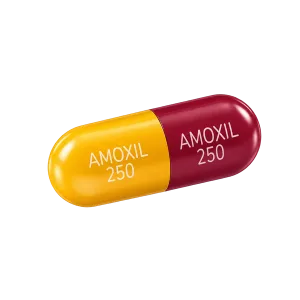
Formulation

Bactrim tablets contain sulfamethoxazole and trimethoprim, an established antibacterial combination also called co-trimoxazole. It is used when the likely bacteria are susceptible and when this antibiotic fits the infection site, local resistance patterns, kidney function, and a patient’s other medicines.

Sulfamethoxazole resembles para-aminobenzoic acid, or PABA, a compound bacteria need to make folate. It blocks the early formation of dihydrofolic acid. Trimethoprim acts later by inhibiting dihydrofolate reductase, the bacterial enzyme that converts dihydrofolate into its active form. Without usable folate, bacteria cannot produce DNA efficiently or multiply normally. The paired blockade is stronger than either step alone and explains why sulfamethoxazole/trimethoprim has activity against several common bacterial pathogens. FDA prescribing information describes this sequential mechanism and the antibiotic’s approved infection-specific uses. [1]

Dual-action antibiotic properties

The two components work synergistically. This does not mean Bactrim treats every infection; bacteria can still be resistant, and viral illnesses such as colds or influenza do not respond to antibiotics.

A urine culture or wound culture can be more useful than guessing when symptoms return quickly, treatment has failed before, or resistant bacteria are a concern.

Dosage and administration

  • Dose: Take the prescribed Bactrim tablet strength by mouth; the exact dose in milligrams is confirmed with a healthcare professional before starting.
  • Frequency: Take the prescribed number of tablets at the prescribed frequency, such as once or more times per day; the schedule depends on the infection, kidney function, age, body size, and whether treatment or prevention is intended.
  • Timing: Space doses as evenly as possible through the day. Take the tablets with a full glass of water; taking them with food may reduce nausea for some people.
  • Duration: Complete the prescribed course. Duration varies by infection and is confirmed with a healthcare professional before starting.
  • Route and form: Bactrim tablets are taken orally. Do not crush tablets unless a prescriber confirms that this is suitable.
  • Missed dose: Take a missed dose when remembered unless the next scheduled dose is close. Do not double the next dose.
  • Safety: Seek urgent clinical assessment for a blistering rash, severe diarrhea, jaundice, or breathing difficulty. Do not save leftover tablets for future symptoms.

Comparison

Antibiotic choice depends on the infection site, suspected organism, culture findings, local resistance data, allergy history, pregnancy, and individual risk factors. Ciprofloxacin and doxycycline are sometimes considered for infections where Bactrim may be used, but they are not interchangeable.

Antibiotic approach Typical clinical role Main limitation
Bactrim: sulfamethoxazole/trimethoprim Selected urinary, skin, gastrointestinal, and opportunistic bacterial infections Sulfonamide reactions, potassium elevation, and important drug interactions
Ciprofloxacin Some complicated urinary and gastrointestinal infections Tendon, nerve, central nervous system, and aortic risks limit routine use
Doxycycline Selected skin, respiratory, and tick-borne infections Photosensitivity, esophageal irritation, and variable urinary pathogen coverage

For a purulent skin infection where community-associated MRSA is suspected, Bactrim or doxycycline may be selected depending on culture data and whether streptococcal coverage is also needed. Ciprofloxacin is often reserved for situations where its Gram-negative activity is needed and safer targeted choices are unsuitable. IDSA guidance emphasizes matching antibiotic treatment to infection severity, likely pathogens, and susceptibility results rather than using broad-spectrum therapy by default. [4]

Common mistakes

Several practical errors reduce the chance of a smooth course:

  • Taking doses too close together after forgetting one
  • Using a previous prescription for a new urinary or skin symptom
  • Drinking too little fluid during treatment
  • Assuming any rash is harmless because itching is mild
  • Omitting other medicines from the medication history
  • Continuing treatment during severe diarrhea, yellowing of the eyes, or blistering skin
  • Expecting Bactrim to treat colds, influenza, or other viral infections

Another frequent mistake is treating symptom relief as proof that the antibiotic is appropriate. Symptoms can lessen temporarily even when the bacteria are resistant or the condition requires another diagnosis.

What doctors say

In clinical practice, doctors often see two opposite problems with Bactrim: patients stopping it too soon after symptoms improve, and patients waiting too long after a warning rash appears. A good treatment response is usually a gradual reduction in infection symptoms, not an immediate cure after the first tablet.

For urinary infections, clinicians commonly reassess when fever develops, pain moves to the back or side, vomiting prevents fluid intake, or symptoms fail to improve as expected. Those features may indicate a more complicated infection, kidney involvement, resistance, or a noninfectious cause.

Bactrim has a useful role when it fits the organism. Its limitations are just as real: it is unsuitable for some allergies, can affect potassium and kidney function, and does not treat viral illness.

Common questions

Can I drink alcohol while using Bactrim?

Alcohol is not known to cause a standard disulfiram-like reaction with sulfamethoxazole/trimethoprim. It can still aggravate nausea, dizziness, stomach upset, dehydration, and fatigue while the body is recovering from infection. FDA prescribing information from 2013 focuses on medication-specific reactions rather than a strict alcohol prohibition, yet limiting alcohol is sensible if it worsens your symptoms. Avoid alcohol completely if vomiting, poor fluid intake, liver symptoms, or impaired concentration are present.

Can Bactrim affect driving, concentration, or work with machinery?

Bactrim can cause dizziness, weakness, headache, or visual changes in some people. These effects may be more likely during fever, dehydration, poor sleep, or when sedating medicines such as diphenhydramine are also used. The FDA advises awareness of nervous-system and serious adverse reactions in its Bactrim labeling issued in 2013. Wait until you know how the tablets affect you before driving, climbing, or using machinery requiring quick reactions.

How does Bactrim differ from doxycycline?

Bactrim blocks two steps in bacterial folate synthesis through sulfamethoxazole and trimethoprim. Doxycycline is a tetracycline antibiotic that blocks bacterial protein production at the ribosome. IDSA skin-infection guidance published in 2014 recognizes that both may have roles against selected community-associated MRSA infections, though susceptibility patterns and accompanying streptococcal coverage influence the choice. Doxycycline more often causes sun sensitivity and esophageal irritation, while Bactrim has stronger concerns around sulfonamide reactions, potassium elevation, and folate-related interactions.

Which concrete condition rules out Bactrim use?

A previous severe allergic reaction to sulfamethoxazole or trimethoprim rules out Bactrim use unless a specialist has made a very specific alternative plan. Severe reactions include anaphylaxis, blistering or peeling skin, Stevens-Johnson syndrome, toxic epidermal necrolysis, or immune-mediated low platelets. FDA labeling from 2013 lists hypersensitivity to sulfonamides or trimethoprim among contraindications. A past reaction should be described precisely, including the symptoms and how quickly they developed.

Which symptoms mean I should stop Bactrim and seek urgent medical care?

Stop Bactrim and seek urgent care for a blistering rash, peeling skin, mouth sores, eye pain or redness, facial swelling, trouble breathing, severe weakness, unusual bruising, or yellowing of the skin or eyes. Severe persistent diarrhea, dark urine, or confusion also need prompt evaluation. The FDA describes serious cutaneous, hematologic, liver, and kidney reactions in its 2013 prescribing information. These symptoms should not be managed by simply delaying the next tablet.

Can older adults use Bactrim?

Older adults can use Bactrim when it is clinically appropriate, but kidney function, potassium level, and interacting medicines deserve closer review. The 2023 American Geriatrics Society Beers Criteria flags trimethoprim-sulfamethoxazole as a medicine requiring caution in reduced kidney function because of risks such as hyperkalemia and worsening renal function. This is especially relevant for people taking ACE inhibitors, angiotensin receptor blockers, or spironolactone. Individualized dosing and monitoring reduce avoidable complications.

Do you offer anonymous delivery?

Your order will be securely packed and shipped within 24 hours. This is exactly what your package will look like (images of an actual item sent). It has the size and look of a regular private letter (9.4x4.3x0.3 in.) and its contents cannot be seen.

Comparison

Comparison table: Antibiotics

Customer Feedback on Bactrim

Graham, 32
Baltimore
Verified
Rating: 3 out of 5
I took Bactrim tablets for a urinary infection. The burning improved after several days, but I felt mildly nauseated at first and needed to take the tablets with food. I finished the prescribed course and the symptoms cleared.
Oct 12, 2026
Ryan, 32
Portland
Over the week
Verified
Rating: 5 out of 5
I used Bactrim for a skin infection after a scrape became red and painful. The swelling went down over the week, and I was satisfied with how steadily it improved.
Oct 24, 2026
Gareth, 27
Nashville
Verified
Rating: 5 out of 5
I took Bactrim tablets for a confirmed urinary infection. The urgency eased within a few days, and I had no trouble completing the treatment plan.
Oct 27, 2026
Robert H., 26
Cleveland
Over the following days
Verified
Rating: 5 out of 5
I used Bactrim after a clinician treated an infected ingrown hair. The tenderness and drainage settled over the following days, and the area healed normally.
Nov 8, 2026

Sources

  1. FDA (2013). BACTRIM™ (sulfamethoxazole and trimethoprim) tablets and double strength tablets, for oral use: Prescribing Information.
  2. Infectious Diseases Society of America (2011). International Clinical Practice Guidelines for the Treatment of Acute Uncomplicated Cystitis and Pyelonephritis in Women.
  3. FDA (2013). BACTRIM™ Prescribing Information: Warnings and Precautions.
  4. Infectious Diseases Society of America (2014). Practice Guidelines for the Diagnosis and Management of Skin and Soft Tissue Infections.
Get our free app Shop faster and track your orders 4.0 · 266 reviews Install