Doxycycline
3.7 (5 customer reviews)Doxycycline is an oral tetracycline antibiotic for bacterial infections caused by susceptible microorganisms, including inflammatory acne and rosacea. It works by limiting bacterial protein production, and the regimen for the chosen strength is confirmed with a healthcare professional before starting.
Overview
Doxycycline contains doxycycline, a systemic tetracycline antibiotic. It acts against a broad range of susceptible microorganisms and reaches many body tissues effectively. It does not treat viruses such as colds or influenza.
Therapeutic indications
Doxycycline is used when the suspected or confirmed bacteria are likely to respond to tetracycline-class treatment. The condition being treated determines the treatment duration and daily schedule. The regimen for the chosen strength is confirmed with a healthcare professional before starting.
Dermatological Applications in Acne and Rosacea
For inflammatory acne, doxycycline reduces Cutibacterium acnes activity and may also reduce inflammation around clogged follicles. It is often used for widespread red, tender papules and pustules rather than isolated occasional spots. Skin improvement is gradual, since existing lesions still need time to settle.
Rosacea care may use doxycycline for inflammatory bumps and pustules when topical treatment alone does not provide enough control. Redness from visible blood vessels does not always respond to an oral antibiotic. Dermatology guidelines from the American Academy of Dermatology describe oral tetracyclines as an option for moderate-to-severe inflammatory acne when treatment is selected for the individual patient [2].
Systemic and Vector-Borne Infection Management
Doxycycline is used for infections caused by organisms such as Chlamydia trachomatis, Mycoplasma, and certain tick-borne bacteria. It is also a standard treatment option for early Lyme disease caused by Borrelia burgdorferi. In clinical practice, a spreading rash after a tick bite, fever, or facial weakness requires prompt assessment rather than waiting to see whether symptoms pass.
Use may also be considered for selected respiratory infections, urinary tract infections, and gonorrhea only when susceptibility and treatment guidance support it. Gonorrhea frequently requires a different first-line antibiotic because resistance patterns matter. The Infectious Diseases Society of America includes doxycycline among recommended therapies for defined Lyme disease presentations [3].
Doxycycline can also be used in malaria prevention plans for travelers when a clinician selects it for the destination and exposure risk. WHO malaria guidance includes doxycycline among preventive options in relevant settings.
How it affects the body
Tetracyclines work by attaching to the bacterial 30S ribosomal subunit. A ribosome is the structure bacteria use to build proteins needed for growth and replication. When doxycycline binds there, the organism cannot make essential proteins and its spread is limited.
Doxycycline is more lipid-soluble than older tetracycline antibiotics, which supports penetration into skin, respiratory tissue, and cells where certain bacteria multiply. The FDA recognizes doxycycline as an established antibacterial treatment for multiple susceptible infections, with use guided by the infection site and likely organism [1].
Reasons not to use it
This medication is not for you if you have had a serious allergic reaction to doxycycline or another tetracycline antibiotic. It is also generally avoided during pregnancy and in children younger than eight years unless a clinician judges that the expected benefit outweighs the dental and bone-development risks.
Avoid combining Doxycycline with isotretinoin. Both medicines can raise the risk of increased pressure inside the skull, which may cause severe headache or vision changes. Warfarin users may need closer monitoring because doxycycline can increase anticoagulant effects.
Important interaction risks include:
- Antacids containing aluminum, magnesium, or calcium
- Iron, zinc, and bismuth-containing supplements
- Warfarin and other anticoagulants
- Isotretinoin and related oral retinoids
- Enzyme-inducing medicines such as carbamazepine, phenytoin, and barbiturates
When this is not for you
It is also generally avoided during pregnancy and in children younger than eight years unless a clinician judges that the expected benefit outweighs the dental and bone-development risks.
Possible side effects
Nausea, abdominal discomfort, loose stools, vomiting, and reduced appetite are among the more common reactions to Doxycycline. Photosensitivity can also occur, meaning ordinary sun exposure may cause an unusually fast or severe sunburn. Diarrhea can happen during treatment or after it ends, because antibiotics alter the balance of intestinal bacteria.
Sun sensitivity can be intense.
Rare but serious reactions include severe headache with visual changes, allergic swelling, widespread rash, blistering skin, trouble swallowing, and persistent watery or bloody diarrhea. Severe diarrhea may signal Clostridioides difficile infection and needs urgent medical assessment. The FDA prescribing information also warns about esophagitis, intracranial hypertension, and severe skin reactions [4].
Formulation
Doxycycline contains doxycycline, a systemic tetracycline antibiotic that acts against a broad range of susceptible microorganisms and reaches many body tissues effectively. It does not treat viral infections such as colds or influenza.
Dosage and administration
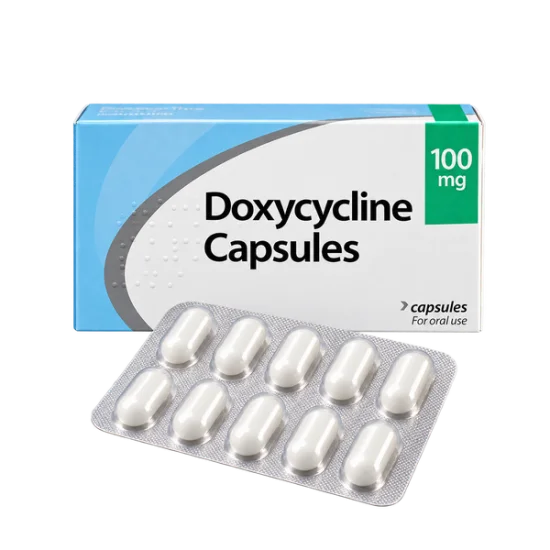
Doxycycline is supplied here as oral capsules. The capsule should be swallowed whole with water at the prescribed time each day. Food can reduce stomach upset for many people, though antacids and mineral supplements need more careful timing because they can reduce absorption.
- Take the prescribed capsule by mouth with a full glass of water.
- Remain upright for at least 30 minutes after swallowing it.
- Keep iron, zinc, calcium supplements, magnesium-containing products, bismuth products, and aluminum-containing antacids at least several hours apart from Doxycycline.
- Continue for the prescribed treatment period, even if symptoms improve early.
- If a dose is missed, take it when remembered unless the next scheduled dose is close; do not double doses.
Doxycycline hyclate and doxycycline monohydrate are salt forms that deliver the same active antibiotic. Both are used clinically, though individual gastrointestinal tolerability can differ. Delayed-release products may have different administration instructions, so a capsule should not be substituted for another doxycycline formulation without prescriber approval.
Comparison
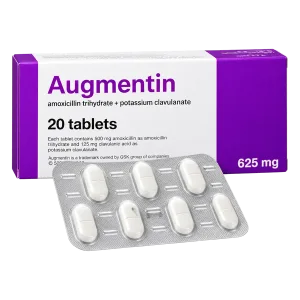
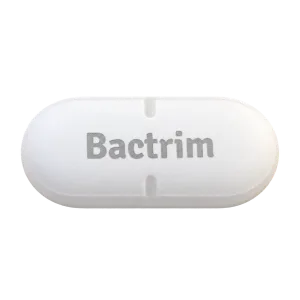
The best antibiotic depends on the diagnosed condition and the bacteria involved. Doxycycline is often favored when atypical bacteria, chlamydia, tick-borne organisms, or inflammatory acne are relevant. It is not automatically the first choice for every respiratory, urinary, or skin infection.
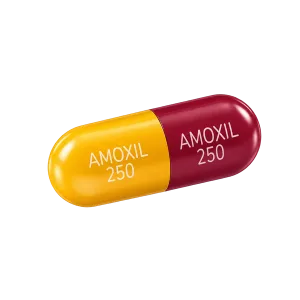
Azithromycin belongs to the macrolide antibiotic class and works at a different ribosomal site. Amoxicillin is a penicillin-class antibiotic that disrupts bacterial cell-wall construction. Minocycline is another tetracycline with a similar antibacterial mechanism, yet its adverse-effect profile differs from Doxycycline.
For acne, doxycycline is frequently chosen because it combines anti-inflammatory activity with activity against susceptible skin bacteria. For a confirmed bacterial throat infection, amoxicillin may be preferred when appropriate. Antibiotic choice should follow the diagnosis rather than the broadness of an antibiotic’s reputation.
Common mistakes
- Taking the capsule with a small sip of water and lying down soon afterward
- Taking antacids, calcium supplements, or iron at the same time
- Stopping as soon as skin redness or infection symptoms improve
- Using tanning beds or spending long periods in direct sun without protection
- Sharing leftover capsules or using them for a new illness
- Expecting it to treat viral sore throats, influenza, or uncomplicated colds
What doctors say
Clinicians usually select Doxycycline because the likely bacteria, infection location, allergy history, and local resistance patterns support its use. For acne, prescribers often pair oral antibiotic treatment with a topical retinoid or benzoyl peroxide to reduce resistance pressure and improve long-term control. For chlamydia or Lyme disease, completing the directed course matters even when symptoms settle quickly.
Doctors also look for clues that Doxycycline is the wrong fit. Significant reflux disease, difficulty swallowing capsules, pregnancy, interacting medicines, or prior tetracycline allergy may change the treatment plan. A persistent fever, worsening rash, breathing difficulty, or severe diarrhea warrants reassessment.
Common questions
Which diet, exercise, and habits affect Doxycycline treatment?
Food can be useful when Doxycycline causes nausea, but mineral-rich products need separation from the capsule. Calcium, iron, magnesium, zinc, antacids, and bismuth can bind doxycycline in the digestive tract and reduce absorption. The FDA prescribing information revised in 2023 advises attention to these interactions. Exercise does not directly block the antibiotic, though outdoor activity raises the need for sun protection because photosensitivity is a known reaction. Follow the prescribed schedule and contact your clinician about concerns.
How does Doxycycline differ from amoxicillin?
Doxycycline is a tetracycline antibiotic that blocks bacterial protein synthesis, while amoxicillin is a penicillin antibiotic that interferes with bacterial cell-wall formation. Doxycycline has useful activity against organisms such as Chlamydia trachomatis, Mycoplasma, and Borrelia burgdorferi. Amoxicillin is commonly used for other infections, including many susceptible ear, throat, and dental infections. IDSA guidance published in 2020 lists different antibiotic options according to the form of Lyme disease and patient factors.
Can a Doxycycline capsule be split, crushed, or chewed?
Doxycycline capsules should be swallowed whole. Opening, crushing, or chewing a capsule can make the medicine harder to take correctly and may increase contact with the mouth or throat. The FDA product information published in 2023 emphasizes administration with sufficient water to reduce esophageal irritation. If swallowing capsules is difficult, a clinician can select a more suitable formulation or treatment approach.
Does Doxycycline cause sun sensitivity?
Yes, Doxycycline can cause photosensitivity. This reaction may look like a rapid, unusually intense sunburn, with redness, tenderness, or blistering after exposure. The FDA identifies photosensitivity as a recognized tetracycline-class adverse effect in its 2023 prescribing information. Limit direct ultraviolet exposure and stop outdoor exposure if burning or marked redness begins.
How should Doxycycline be stored at home and while traveling?
Keep Doxycycline capsules in a dry place at normal controlled room temperature and away from excess heat, moisture, and direct sunlight. Bathrooms and hot vehicles are poor storage locations because heat and humidity can affect medicines. The FDA’s 2023 medication-storage guidance supports keeping medicines in their closed dispensing container and out of reach of children. For travel, keep capsules protected from moisture and avoid leaving them in luggage exposed to prolonged heat.
Can older adults use Doxycycline?
Older adults can use Doxycycline when it is clinically appropriate, and age alone does not prevent treatment. Prescribers review swallowing problems, kidney and liver health, reflux symptoms, and medicines such as warfarin before selecting it. The WHO’s 2023 guidance on antimicrobial use emphasizes matching therapy to the infection, patient characteristics, and likely susceptibility. New severe headache, vision changes, swallowing pain, severe rash, or persistent diarrhea requires prompt medical attention at any age.
Do you offer anonymous delivery?
Your order will be securely packed and shipped within 24 hours. This is exactly what your package will look like (images of an actual item sent). It has the size and look of a regular private letter (9.4x4.3x0.3 in.) and its contents cannot be seen.
Comparison
Amoxil
Ampicillin
Augmentin
Bactrim
Cefadroxil
Cephalexin
Customer Feedback on Doxycycline
Sources
- Food and Drug Administration (2023). Doxycycline Hyclate Capsules: Prescribing Information.
- American Academy of Dermatology (2024). Guidelines of Care for the Management of Acne Vulgaris.
- Infectious Diseases Society of America (2020). Clinical Practice Guidelines for the Prevention, Diagnosis and Treatment of Lyme Disease.
- European Medicines Agency (2022). Guideline on the Evaluation of Medicinal Products Indicated for Treatment of Bacterial Infections.