Skip to content
Save up to 80% Fast & Discrete Delivery
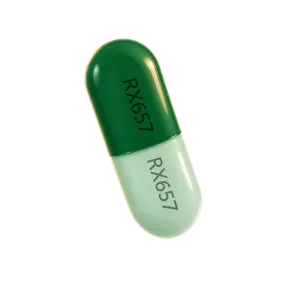
Cefadroxil
Quality products
Fast & Discrete Delivery
Money-back guarantee

Cefadroxil

3.6 (5 customer reviews)
Delivery: 4-7 business days
Payment
24/7 Support
Active ingredient: Cefadroxil

Free bonus tablets with every order: 4 on any order, 8 over $112.00, 12 over $222.88, 16 over $334.88

256-bit SSL
Certified pharmacy
Money-back guarantee

Cefadroxil interferes with bacterial cell-wall construction, causing susceptible bacteria to break down rather than multiply. It is a first-generation cephalosporin antibiotic for people with selected bacterial throat, skin, or urinary tract infections, and it does not treat viral illnesses.

Overview

Cefadroxil is a bactericidal antibiotic in the cephalosporin family. It belongs to the first generation of cephalosporin antibiotics, a group known for activity against many gram-positive organisms and selected gram-negative bacteria.

Therapeutic indications

Cefadroxil is used for selected infections of the throat, skin, and urinary tract when the causative bacteria are susceptible. Clinicians may prescribe it for streptococcal pharyngitis, tonsillitis, uncomplicated skin and skin-structure infections, and urinary tract infections. The choice depends on the infection site, local resistance patterns, allergy history, kidney function, and culture results when testing is appropriate.

Common clinical uses include:

  • Pharyngitis and tonsillitis: often linked to Streptococcus pyogenes, also called group A streptococcus.
  • Skin and soft-tissue infections: may involve susceptible Staphylococcus aureus or streptococcal species.
  • Urinary tract infections: may be caused by susceptible strains of Escherichia coli, Proteus mirabilis, or Klebsiella species.
  • Other susceptible bacterial infections: treatment should match microbiology findings and the prescriber’s assessment.

Viruses are unaffected.

The Infectious Diseases Society of America includes first-generation cephalosporins among options for selected patients with group A streptococcal pharyngitis, with allergy details guiding whether a cephalosporin is appropriate. [1]

Throat pain can improve before the infection is fully cleared. Finishing the prescribed course matters because stopping early can allow surviving bacteria to multiply again.

Antibiotics are not useful for the common cold, influenza, most viral coughs, or viral sore throats. Taking an antibiotic when bacteria are not the cause adds side-effect risk without treating the illness.

How it affects the body

Cefadroxil is a bactericidal antibiotic that disrupts bacterial cell-wall synthesis. By interfering with construction of the bacterial cell wall, it causes susceptible bacteria to break down rather than multiply.

Reasons not to use it

Cefadroxil is not for you if you have had a serious immediate allergic reaction to cefadroxil or another cephalosporin antibiotic. A history of anaphylaxis, airway swelling, or severe blistering skin reactions after a beta-lactam antibiotic requires careful medical assessment before use.

Use needs extra care in these situations:

  • Previous severe allergy to penicillin or another beta-lactam antibiotic.
  • Reduced kidney function, because the body clears cefadroxil through the kidneys.
  • A previous episode of antibiotic-associated colitis or C. difficile infection.
  • Use of oral anticoagulants such as warfarin, since antibiotics can alter intestinal vitamin K production and may affect anticoagulant response.
  • Use of probenecid, which can reduce renal elimination of cephalosporin antibiotics.
  • Diabetes managed with urine glucose tests, because some older testing methods may give misleading results with cephalosporins.

When this is not for you

Do not take Cefadroxil if you have previously experienced a serious immediate allergic reaction to it or to another cephalosporin. Speak with a clinician before using it if penicillin or another beta-lactam antibiotic has caused a severe reaction, especially breathing difficulty, fainting, swelling of the airway, or blistering skin. Tell the prescriber if you have kidney problems, previous antibiotic-associated colitis, or take warfarin or probenecid.

Possible side effects

Most people tolerate Cefadroxil without severe problems. Digestive effects are the most common: nausea, vomiting, abdominal discomfort, loose stools, and diarrhea. Some people develop a rash, itching, or hives. These reactions can reflect allergy, though not every rash has the same cause.

Seek urgent medical care for facial or throat swelling, wheezing, trouble breathing, widespread hives, fainting, blistering skin, or a severe spreading rash. These symptoms may signal a serious hypersensitivity reaction.

Persistent watery diarrhea, fever, or abdominal cramping during treatment or after it ends also needs prompt clinical assessment. Antibiotics can alter intestinal bacteria and allow Clostridioides difficile infection to develop.

A mild stomach upset may improve when a capsule is taken with a meal. Severe diarrhea is different: do not try to manage repeated watery stools only with over-the-counter anti-diarrheal products.

One detail people often miss is the timing of a rash. A rash appearing soon after a dose with hives or breathing symptoms suggests a more urgent allergic pattern than a mild, non-itching rash that appears later. Both should be reported, but urgent symptoms require urgent care.

Formulation

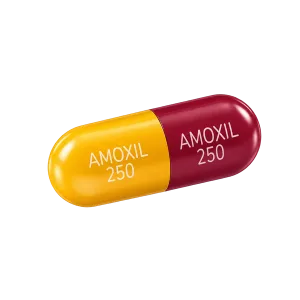
Cefadroxil is the active antibacterial ingredient in these capsules. Generic medicines containing the same active ingredient are assessed against standards for pharmaceutical quality and bioequivalence, meaning they are expected to deliver comparable active-drug exposure when used as directed.

Dosage and administration

Cefadroxil on this page is supplied as oral capsules. Dosing differs between strengths and between users, so there is no single amount that suits everyone. The prescribed schedule is based on the infection being treated, its severity, age, body size where relevant, and kidney function.

Use Cefadroxil capsules in this practical way:

  • Swallow each capsule whole with water.
  • Take doses at the prescribed intervals to keep antibacterial exposure steady.
  • Cefadroxil may be taken with food if stomach upset occurs.
  • Continue for the full prescribed duration, even if symptoms settle earlier.
  • If a dose is missed, take it when remembered unless the next scheduled dose is close; do not take two doses together.
  • Keep a written dosing schedule when treatment involves more than one daily dose.

Capsules are swallowed whole.

Set an alarm for each planned dose rather than relying on meal times alone. This is useful when work shifts or weekend routines change.

People with reduced kidney function may need a modified regimen because cefadroxil is eliminated mainly through the kidneys. A dosing plan that suits one person may be unsuitable for another, even when both have the same infection.

Comparison

Antibiotic selection is based on the infection site and the bacteria likely to be involved. Cefadroxil and cephalexin are both first-generation cephalosporins with broadly similar gram-positive coverage, while amoxicillin/clavulanate has a wider spectrum and a different adverse-effect profile.

Antibiotic Drug class and coverage Clinical distinction
Cefadroxil First-generation cephalosporin; focused activity against many streptococci, susceptible staphylococci, and selected urinary pathogens Longer persistence in the body can support less frequent dosing schedules for some infections
Cephalexin First-generation cephalosporin with similar core gram-positive activity Often used for comparable throat and skin infections; regimen selection depends on the clinical situation
Amoxicillin/clavulanate Aminopenicillin plus beta-lactamase inhibitor; broader mixed bacterial coverage May be selected when beta-lactamase-producing organisms or mixed infections are more likely, though diarrhea is more common

The WHO AWaRe Antibiotic Book emphasizes using the narrowest suitable antibiotic for the diagnosed infection, an approach intended to preserve antibiotic usefulness and limit avoidable resistance pressure. [2]

A broader-spectrum antibiotic is not automatically a better antibiotic. Broader coverage can disrupt more normal gut bacteria and may increase the likelihood of antibiotic-associated diarrhea or yeast overgrowth.

Common mistakes

The most frequent mistakes with Cefadroxil are practical and preventable.

  • Stopping when symptoms improve: this can leave bacteria behind and raise the chance of relapse.
  • Doubling a missed dose: taking extra capsules does not restore the missed interval and can increase side effects.
  • Saving leftover capsules: a later sore throat or urinary symptom may have a different cause and need different treatment.
  • Sharing antibiotics: another person may have a different infection, allergy risk, kidney function, or required regimen.
  • Ignoring severe diarrhea: repeated watery diarrhea is not a routine treatment effect to wait out.
  • Treating a viral cold: nasal congestion and cough alone do not establish a bacterial infection.

Some patients take doses too close together when trying to catch up. This concentrates exposure over a short period and creates a longer gap afterward, which is the opposite of the intended schedule.

What doctors say

In clinical practice, prescribers look for a match between the suspected organism and Cefadroxil’s antibacterial spectrum. A classic example is a confirmed streptococcal throat infection in a person who can use a cephalosporin safely. For urinary symptoms, clinicians may prefer culture-guided treatment because different bacteria vary in susceptibility.

Doctors also watch the timeline. Fever, pain, and local redness should begin moving in the right direction during treatment, though complete recovery can take longer than the first signs of improvement. Worsening pain, expanding skin redness, new fever, or no improvement should prompt reassessment rather than unsupervised dose changes.

A common clinical limitation is assuming every penicillin allergy rules out every cephalosporin. The real risk depends on the nature of the earlier reaction, the antibiotic involved, and how severe the reaction was.

Common questions

Which diet, exercise, or daily habits support recovery while taking Cefadroxil?

Regular fluids, normal meals, and adequate sleep support recovery from an infection, especially when fever or diarrhea has reduced appetite. Food does not block Cefadroxil’s antibacterial action, and taking it with a meal may ease nausea. The WHO’s 2022 antibiotic guidance stresses that antibiotics should be used for confirmed or strongly suspected bacterial illness, while rest and hydration support the body during recovery. Avoid using intense exercise as a test of recovery if fever, weakness, or dizziness is still present. People with persistent fever or worsening symptoms should contact a clinician.

How does Cefadroxil differ from cephalexin?

Both Cefadroxil and cephalexin are first-generation cephalosporin antibiotics that disrupt bacterial cell-wall synthesis. Cefadroxil generally stays in the body longer, which can make less frequent dosing possible for selected infections. The FDA prescribing information listed by the National Library of Medicine in 2024 describes use against susceptible bacteria in throat, skin, and urinary infections. A prescriber selects between them based on the infection, bacterial susceptibility, allergy history, and the planned dosing schedule.

Can Cefadroxil be used during pregnancy or breastfeeding?

Pregnancy use requires an individualized assessment of the infection and treatment options. Cephalosporins are commonly considered when an antibiotic is needed during pregnancy, yet the decision still depends on the mother’s condition, allergies, and culture findings. The National Library of Medicine’s LactMed review, updated in 2025, reports that cefadroxil reaches breast milk in low levels and is generally not expected to cause harm in breastfed infants. [3] A breastfed infant should be observed for loose stools, thrush, or rash.

How should Cefadroxil be stored at home and while traveling?

Keep Cefadroxil capsules dry, at controlled room temperature, and away from bathroom humidity, direct heat, and children. Carry capsules in a closed container during travel rather than leaving them in a hot car, where heat and moisture can affect medicines. FDA medication-storage guidance from 2024 emphasizes keeping medicines in a cool, dry location and out of reach of children. A travel schedule should preserve the prescribed spacing between doses across time-zone changes.

Is Cefadroxil suitable for older adults?

Age alone does not prevent Cefadroxil use. Kidney function matters more because reduced renal clearance can raise antibiotic exposure, and kidney function often changes with age. The American Geriatrics Society’s 2023 Beers Criteria identifies renal function as a key consideration for medicines cleared by the kidneys. [4] Older adults should also report new confusion, severe diarrhea, dehydration, or reduced urine output promptly because these symptoms can complicate an infection or its treatment.

Do you offer anonymous delivery?

Your order will be securely packed and shipped within 24 hours. This is exactly what your package will look like (images of an actual item sent). It has the size and look of a regular private letter (9.4x4.3x0.3 in.) and its contents cannot be seen.

Comparison

Comparison table: Antibiotics

Customer Feedback on Cefadroxil

Daniel, 45
Houston
Verified
Rating: 4.5 out of 5
I took Cefadroxil capsules for a throat infection and felt the swallowing pain ease after the first few days. I completed the prescribed course and was back to normal meals by the end of the week.
Oct 12, 2026
Steven, 27
Memphis
Verified
Rating: 3 out of 5
I used Cefadroxil for tonsillitis and my throat improved, though my stomach felt unsettled for the first two days. Taking the capsules with breakfast made the rest of the course easier.
Oct 21, 2026
Andrew, 33
Phoenix
Verified
Rating: 4 out of 5
I had Cefadroxil for a small skin infection after a scrape. The redness stopped spreading and the area became much less tender during treatment, which was the result I needed.
Oct 28, 2026
Peter, 49
Indianapolis
Verified
Rating: 1.5 out of 5
I started Cefadroxil for a urinary infection but developed frequent watery diarrhea after several doses. I stopped taking it and spoke with my doctor, who changed the treatment plan.
Nov 4, 2026
Stuart D., 61
Portland
Verified
Rating: 5 out of 5
I used Cefadroxil capsules for a bacterial skin infection and kept the doses on a written schedule. The swelling went down steadily, and I finished the course without missing a dose.
Nov 10, 2026

Sources

  1. Infectious Diseases Society of America (2012). Clinical Practice Guideline for the Diagnosis and Management of Group A Streptococcal Pharyngitis
  2. World Health Organization (2022). The WHO AWaRe Antibiotic Book
  3. National Library of Medicine (2025). Cefadroxil — Drugs and Lactation Database (LactMed)
  4. American Geriatrics Society (2023). American Geriatrics Society 2023 Updated AGS Beers Criteria for Potentially Inappropriate Medication Use in Older Adults
Get our free app Shop faster and track your orders 4.0 · 266 reviews Install