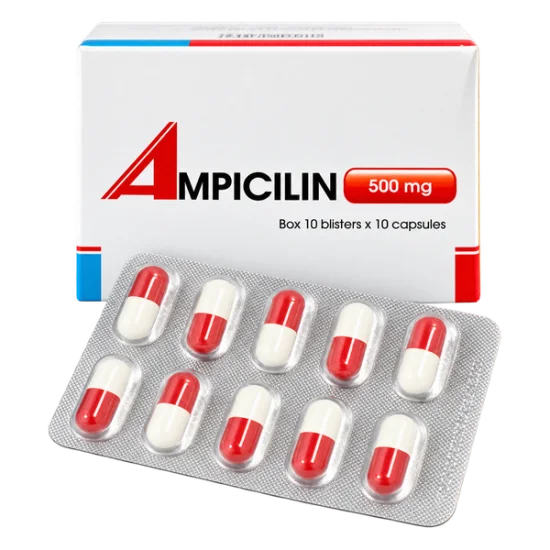
Ampicillin
4.5 (4 customer reviews)Ampicillin is used for susceptible bacterial infections affecting the respiratory, urinary, gastrointestinal, skin, and soft-tissue systems. It blocks bacterial cell-wall construction, allowing bacterial killing rather than merely slowing growth.
Overview
Susceptible bacterial infections of the respiratory, urinary, gastrointestinal, and soft-tissue systems may require a penicillin-class antibiotic. Ampicillin capsules contain ampicillin, a beta-lactam active substance used when the likely bacteria are susceptible.
Therapeutic indications
Ampicillin is used for bacterial infections when a clinician considers susceptible bacteria likely or confirms them by laboratory testing. Oral capsules may be used for selected respiratory tract, urinary tract, gastrointestinal, skin, and soft-tissue infections, depending on the pathogen and severity.
The medicine does not work against viral infections such as influenza, viral sore throat, or the common cold. Using antibiotics for viral illness exposes a person to adverse reactions without shortening the illness. The WHO classifies antibiotics within its AWaRe stewardship framework to encourage treatment choices that limit avoidable resistance pressure. [2]
Common clinical targets include:
- Susceptible urinary tract bacteria
- Certain respiratory tract pathogens
- Susceptible enterococcal infections
- Some gastrointestinal infections caused by susceptible organisms
- Listeria infections, usually in clinician-directed treatment plans
A sore throat alone does not establish a bacterial infection. Cough, nasal congestion, and body aches often point toward a viral cause, while bacterial testing or a focused clinical assessment guides antibiotic selection.
How it affects the body
Ampicillin binds to penicillin-binding proteins inside bacteria. These proteins help build peptidoglycan, the rigid layer that gives a bacterial cell wall its strength. When bacterial cell wall synthesis is interrupted during growth, the cell can rupture and die. The FDA describes ampicillin as bactericidal against susceptible organisms when adequate concentrations are reached at the infection site. [1]
Ampicillin has activity against organisms such as susceptible streptococci, enterococci, Listeria monocytogenes, and some strains of Escherichia coli, Proteus mirabilis, Haemophilus influenzae, and Salmonella. Susceptibility testing matters because many bacteria can resist ampicillin.
It does not treat every infection. A bacterial culture and sensitivity result can show whether the organism is likely to respond.
Reasons not to use it
This medication is not for you if you have had a serious immediate allergy to ampicillin, penicillin, or another beta-lactam antibiotic. A past reaction involving anaphylaxis, facial swelling, breathing difficulty, or widespread hives deserves special caution.
Key interactions and clinical cautions include:
- Methotrexate: penicillins may reduce methotrexate clearance and increase toxicity risk, including mouth ulcers, low blood counts, and kidney injury.
- Tetracyclines: these bacteriostatic antibiotics may reduce the killing action of a bactericidal penicillin in some settings.
- Allopurinol: may increase the chance of a skin rash with ampicillin.
- Probenecid: can raise ampicillin concentrations by reducing kidney secretion.
- Warfarin and other anticoagulants: antibiotic-related changes in gut flora or illness can affect anticoagulant response, so INR monitoring may be needed.
- Kidney disease: impaired clearance can increase exposure and requires clinician-directed dose scheduling.
Infectious mononucleosis is another major caution. Ampicillin frequently causes a prominent rash in people with Epstein–Barr virus mononucleosis, and this reaction does not automatically prove a lifelong penicillin allergy.
The European Medicines Agency explains that antibacterial treatment should be selected according to the suspected pathogen, infection site, local resistance patterns, and the patient’s individual clinical factors. [4]
When this is not for you
Possible side effects
Most people tolerate Ampicillin without serious problems, though digestive symptoms are common with penicillin antibiotics. Nausea, vomiting, loose stools, abdominal discomfort, and diarrhea can occur because the medicine affects normal intestinal bacteria as well as infection-causing organisms.
Oral thrush and vaginal yeast infection may develop when normal protective flora are reduced. These reactions are more likely during longer courses, though they can occur earlier. The FDA prescribing information also lists rash, hives, and allergic reactions among possible adverse effects. [3]
Seek urgent medical care for:
- Swelling of the face, lips, tongue, or throat
- Wheezing, breathing difficulty, or fainting
- A widespread blistering or peeling rash
- Severe watery or bloody diarrhea
- Yellowing of the skin or eyes
- Seizure, marked confusion, or severe weakness
A mild loose stool can settle after treatment ends. Persistent, severe, or bloody diarrhea needs prompt assessment because antibiotic-associated colitis can occur during treatment or after it has finished.
Formulation
Each capsule contains ampicillin, an antibacterial agent that acts against susceptible Gram-positive and selected Gram-negative bacteria. The amount taken at each intake is set individually for each person rather than being one fixed amount.
Dosage and administration
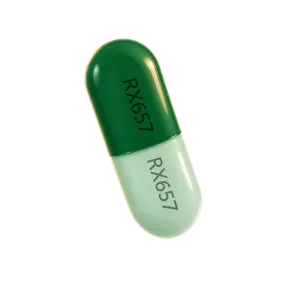
Ampicillin is supplied here as oral capsules. The amount taken at each intake is set individually for each person rather than being one fixed amount. The daily frequency and treatment duration are set individually according to the infection site, organism, kidney function, age, and clinical response.
Take capsules by mouth with water. Oral ampicillin is generally taken on an empty stomach, at least 30 minutes before food or two hours after food, because food can reduce absorption.
- Take each dose at evenly spaced times.
- Swallow the capsule whole.
- Continue for the prescribed treatment period, even if symptoms ease early.
- If a dose is missed, take it when remembered unless the next dose is close. Do not double the next dose.
- Reduced kidney function can require a longer interval between doses.
Do not split, crush, or chew an Ampicillin capsule. The powder has an unpleasant taste, and opening a capsule can lead to an incomplete dose if powder remains in the container or sticks to the mouth.
Comparison
Ampicillin has a focused role when susceptible organisms are expected. A different antibiotic is not automatically stronger or better; the right choice depends on the likely bacteria, infection location, allergy history, kidney function, and test results.
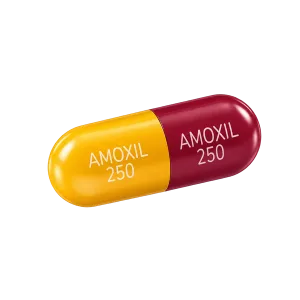
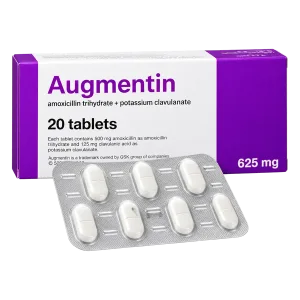
Ampicillin can be a useful choice for susceptible enterococcal or Listeria organisms. Amoxicillin may fit some community infections where oral absorption and pathogen coverage align better. Cephalexin may be selected for susceptible skin pathogens, though it does not provide the same enterococcal coverage as ampicillin.
Common mistakes
Several avoidable habits reduce the chance of successful treatment:
- Taking doses with meals when the prescribed schedule requires an empty stomach
- Stopping when symptoms improve instead of completing the intended course
- Doubling a dose after forgetting one
- Sharing remaining capsules with another person
- Assuming every rash means the same type of allergy
- Ignoring severe diarrhea after treatment has ended
- Failing to mention kidney disease, methotrexate, anticoagulants, or prior penicillin reactions
What doctors say
In clinical practice, prescribers look for a match between the antibiotic and the probable pathogen rather than choosing by symptom severity alone. Fever or discomfort does not prove that a broader antibiotic will produce a better result.
Doctors also pay attention to the timing of improvement. Pain, fever, or urinary symptoms often begin to ease within a few days when treatment matches the infection, while complete recovery can take longer. Worsening fever, spreading redness, persistent vomiting, or new flank pain can signal that the infection needs reassessment rather than simply more capsules.
For people with reduced kidney function, individualized dosing is central. The same standard schedule may create excess drug exposure when renal clearance is impaired.
Common questions
Does Ampicillin cause diarrhea?
Yes. Diarrhea, nausea, and abdominal discomfort are recognized adverse reactions with ampicillin and other antibiotics because they can alter normal gut bacteria. The FDA prescribing information updated in 2020 warns that severe or persistent diarrhea can also be a sign of Clostridioides difficile-associated colitis. Mild symptoms may settle, while watery or bloody diarrhea needs urgent medical evaluation. The FDA label also advises prompt assessment when diarrhea is severe or persistent. [5]
Does infectious mononucleosis rule out Ampicillin?
Infectious mononucleosis is a strong reason to avoid Ampicillin unless a clinician has identified a separate bacterial infection requiring it. People with Epstein–Barr virus mononucleosis can develop a striking rash after ampicillin exposure. CDC clinical information on Epstein–Barr virus, updated in 2024, describes rash after aminopenicillin use as a recognized clinical issue. This reaction needs medical assessment because it can be confused with drug allergy.
Can Ampicillin capsules be split, crushed, or chewed?
Ampicillin capsules should be swallowed whole with water. Crushing, chewing, or opening them can cause loss of powder and an incomplete dose, while the exposed powder can irritate the mouth and has a bitter taste. The FDA’s capsule prescribing information, revised in 2020, supports oral administration according to the prescribed schedule. If swallowing capsules is difficult, a clinician can select an appropriate alternative formulation.
What should be discussed before starting Ampicillin?
Discuss past reactions to penicillin, cephalosporins, or other beta-lactam antibiotics. Mention kidney disease, infectious mononucleosis, pregnancy, breastfeeding, and every medicine currently used, with special attention to methotrexate, probenecid, allopurinol, and anticoagulants. The WHO’s 2023 antimicrobial stewardship materials emphasize targeted antibiotic use based on infection characteristics and individual patient factors. This information helps determine whether ampicillin fits the infection and dosing plan.
Can people under 18 use Ampicillin?
Ampicillin can be used in children when a clinician determines that it is appropriate for the infection and body size. Pediatric dosing is individualized and is not simply an adult capsule schedule reduced by guesswork. The FDA prescribing information, revised in 2020, includes pediatric use considerations, while the exact regimen depends on age, weight, kidney function, infection site, and organism susceptibility. A child with breathing symptoms, dehydration, persistent fever, or marked lethargy needs timely medical assessment.
Which symptoms mean Ampicillin should be stopped and urgent care is needed?
Stop Ampicillin and seek urgent medical care for facial swelling, breathing trouble, fainting, severe hives, blistering rash, or peeling skin. Severe watery or bloody diarrhea also requires urgent evaluation, even if it begins after the antibiotic course is over. The FDA prescribing information from 2020 identifies serious hypersensitivity reactions and antibiotic-associated colitis among important safety concerns. New jaundice, seizures, or rapidly worsening infection symptoms also need prompt assessment.
Do you offer anonymous delivery?
Your order will be securely packed and shipped within 24 hours. This is exactly what your package will look like (images of an actual item sent). It has the size and look of a regular private letter (9.4x4.3x0.3 in.) and its contents cannot be seen.
Comparison
Amoxil
Ampicillin Current
Augmentin
Bactrim
Cefadroxil
Cephalexin
Customer Feedback on Ampicillin
Sources
- Food and Drug Administration (2020). Ampicillin Capsules, USP: Prescribing Information.
- World Health Organization (2023). 2023 AWaRe Classification of Antibiotics for Evaluation and Monitoring of Use.
- National Library of Medicine (2024). Ampicillin Capsule: Drug Label Information.
- European Medicines Agency (2022). Guideline on the Evaluation of Medicinal Products Indicated for Treatment of Bacterial Infections.
- Food and Drug Administration (2020). Ampicillin Capsules, USP: Warnings and Adverse Reactions.