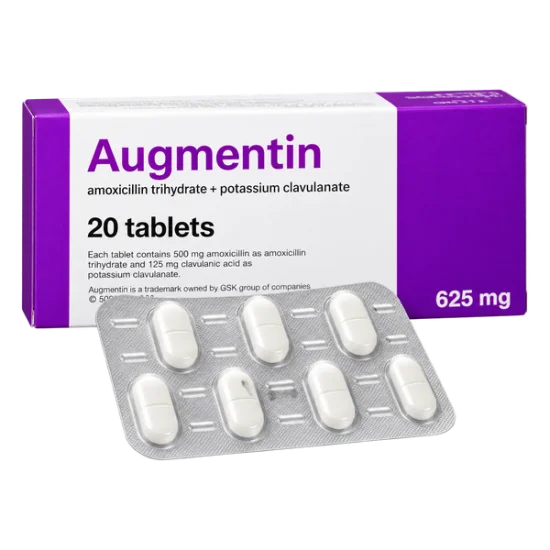
Augmentin
3.8 (3 customer reviews)Augmentin is a combination antibiotic in the penicillin family for susceptible bacterial infections. It combines amoxicillin trihydrate with potassium clavulanate, pairing antibacterial action with protection against certain bacterial defense enzymes.
Overview
Augmentin is a combination antibiotic in the penicillin family. The FDA classifies amoxicillin/clavulanate as a prescription antibacterial treatment for susceptible bacterial infections. [1]
Therapeutic indications
Augmentin is used when a clinician suspects or confirms infection with bacteria susceptible to amoxicillin/clavulanate. Common indications include acute bacterial sinusitis, middle-ear infection, lower respiratory tract infection, skin and soft-tissue infection, dental infection, and selected urinary tract infections.
The choice depends on the infection site, local resistance data, kidney function, allergy history, and recent antibiotic exposure. The WHO AWaRe Antibiotic Book emphasizes using antibiotics only where bacterial infection is likely and choosing the narrowest suitable option when possible. [2]
Respiratory and Sinus Tract Pathogens
For bacterial sinusitis, clinicians look for persistent symptoms, severe fever with purulent nasal discharge, or symptoms that worsen after an initial improvement. These details help separate bacterial sinusitis from the far more common viral illness.
Augmentin can cover beta-lactamase-producing H. influenzae and M. catarrhalis, organisms that may not respond to amoxicillin alone. NICE antimicrobial guidance uses symptom severity, duration, and risk of complications to guide antibiotic decisions rather than treating every sinus complaint with an antibiotic. [3]
Otitis Media and Urinary Tract Applications
Middle-ear infections can involve organisms that produce beta-lactamase, especially after recent amoxicillin exposure. Augmentin may therefore be chosen when an ear infection has not responded as expected to first-line therapy.
For urinary symptoms, a urine test may be needed because resistance patterns vary. Burning during urination accompanied by flank pain, fever, vomiting, or visible blood needs prompt clinical assessment because kidney involvement is possible.
How it affects the body
Amoxicillin binds to proteins involved in building the bacterial cell wall, weakening that wall as the bacteria multiply. Susceptible bacteria then rupture and die.
This action targets bacteria, not viruses. It will not treat influenza, viral sore throat, or the common cold.
Its role is to block beta-lactamase enzymes that some bacteria use to break down amoxicillin before it can work.
That is the reason Augmentin may be selected when ordinary amoxicillin is unlikely to cover the suspected organism. The broader activity is useful, but it also means gastrointestinal effects are more common than with amoxicillin alone.
Reasons not to use it
It is also unsuitable for people who previously developed cholestatic jaundice or liver dysfunction linked to amoxicillin/clavulanate. Extra care is needed with kidney disease, liver disease, infectious mononucleosis, and a history of severe antibiotic-associated diarrhea.
Relevant interactions include:
- Warfarin: Augmentin can alter anticoagulant response, so INR monitoring may be required.
- Allopurinol: Combined use can raise the chance of rash.
- Methotrexate: Penicillins may reduce methotrexate elimination and increase toxicity risk.
- Probenecid: It can increase amoxicillin concentrations by reducing kidney clearance.
- Oral contraceptives: Vomiting or severe diarrhea can reduce absorption of contraceptive tablets, requiring backup contraception during illness and for the interval advised for that contraceptive.
When this is not for you
Augmentin is not for you if you have had an immediate, serious allergic reaction to amoxicillin, penicillin, clavulanate, or another beta-lactam antibiotic. Serious reactions include anaphylaxis, facial swelling, breathing difficulty, or extensive hives.
Possible side effects
Most people tolerate Augmentin without major problems. The most frequent adverse effects are diarrhea, nausea, vomiting, abdominal discomfort, and skin rash. Loose stools can occur because antibiotics alter normal intestinal bacteria, and clavulanate can add to stomach upset.
A mild change in stool consistency is different from severe antibiotic-associated diarrhea. Watery diarrhea that is frequent, persistent, bloody, or paired with fever or abdominal cramping can signal Clostridioides difficile infection and needs urgent medical assessment. The FDA warns that this complication can begin during treatment or after antibiotics have ended. [4]
Seek emergency care for:
- Trouble breathing, wheezing, facial swelling, or widespread hives.
- Blistering rash, peeling skin, mouth sores, or eye irritation.
- Yellowing of the skin or eyes, dark urine, pale stools, or strong pain beneath the right ribs.
- Severe or bloody diarrhea.
- Confusion, seizure, or markedly reduced urination.
Liver injury from amoxicillin/clavulanate is uncommon but recognized. It is more likely in people with prior cholestatic jaundice or liver dysfunction caused by this combination, and symptoms can emerge after treatment has finished.
Common Gastrointestinal and Systemic Adverse Reactions
Nausea often settles when tablets are taken with food. A bland meal can be easier than a greasy breakfast during the first few doses. Persistent vomiting can prevent adequate absorption and should not be ignored.
A rash during antibiotic treatment needs assessment because it can represent allergy, a viral illness, or a serious skin reaction. Do not restart Augmentin after a suspected severe allergic reaction.
Augmentin Overdose and Clinical Response
Taking more than prescribed may cause nausea, vomiting, diarrhea, fluid imbalance, or abdominal pain. Large amounts of amoxicillin can contribute to crystalluria, where crystals form in urine, and in rare cases may affect kidney function.
Emergency clinicians assess hydration, kidney function, and neurologic symptoms. Hemodialysis can remove amoxicillin and clavulanate from circulation in severe poisoning or marked kidney impairment, though it is not needed for routine stomach upset.
Formulation
Its two active components work together: amoxicillin damages susceptible bacteria, while clavulanate potassium helps preserve amoxicillin activity against bacteria that produce beta-lactamase enzymes.
Role of Amoxicillin in Bacterial Cell Wall Synthesis
Amoxicillin is a beta-lactam penicillin antibiotic.
Function of Clavulanate Potassium as a Beta-Lactamase Inhibitor
Clavulanic acid, provided as clavulanate potassium, has little antibacterial effect when used alone.
Dosage and administration
This Augmentin product is supplied as tablets. The amount per intake is set individually for each person rather than being one fixed number, since the right regimen depends on infection type, severity, kidney function, age, and other medicines.
Swallow the tablet whole with water at the beginning of food. Space doses evenly through the day according to the prescribed schedule. Do not double doses after a missed tablet.
- Take each tablet at the planned interval.
- Start the dose with a meal rather than on an empty stomach.
- Continue at evenly spaced times, including weekends.
- Keep drinking fluids unless a clinician has advised fluid restriction.
- If vomiting occurs shortly after a dose, seek individualized advice before repeating it.
The FDA prescribing information advises dose adjustment in reduced kidney function because amoxicillin is cleared mainly by the kidneys. A clinician may also use a different regimen for severe infection or for organisms with known susceptibility results.
Comparison
Augmentin is not automatically the best antibiotic for every bacterial illness. Bacterial culture results, allergy history, pregnancy status, heart rhythm risks, kidney function, and local resistance patterns can change the preferred treatment.
Doxycycline may be useful against atypical respiratory pathogens and some skin infections, though it can cause photosensitivity and esophageal irritation. Take it with plenty of water and remain upright afterward.
Clarithromycin and azithromycin are macrolides. They may be used in penicillin allergy, yet resistance among respiratory bacteria can limit reliability. Clarithromycin also has meaningful interactions through liver enzyme inhibition and can affect cardiac rhythm in susceptible people.
Levofloxacin is a fluoroquinolone with broad activity. FDA safety communications describe risks involving tendons, nerves, the central nervous system, and blood glucose, so clinicians reserve it for cases where the benefit outweighs those harms. Cefuroxime axetil and cephalexin are cephalosporin options for selected infections, depending on the organism and the nature of any penicillin allergy.
Common mistakes
Several avoidable errors reduce the chance of a smooth treatment course:
- Taking doses without food and then stopping because of nausea.
- Missing doses when symptoms improve, then taking tablets irregularly.
- Doubling the next dose after forgetting one.
- Saving tablets for a later illness or sharing them with another person.
- Assuming a rash is harmless and continuing treatment despite hives or swelling.
- Using anti-diarrheal medicine for severe watery diarrhea without being assessed.
- Forgetting to mention warfarin, methotrexate, allopurinol, kidney disease, or a past penicillin reaction.
A second common mistake is expecting Augmentin to treat every cough or sinus symptom. Viral infections do not respond, and unnecessary exposure increases the chance of adverse effects and antibiotic resistance.
What doctors say
In clinical practice, prescribers often choose Augmentin when they need amoxicillin coverage plus protection from beta-lactamase enzymes. The expected benefit is bacterial control, not instant removal of congestion, cough, or pain.
Symptoms may take time to settle because inflamed tissues need to heal after bacteria begin to fall. A clinician will usually reassess if symptoms worsen, fever persists, or there is no meaningful improvement within the timeframe given for the diagnosed infection.
Common questions
What happens if I stop Augmentin early, and does it need tapering?
Augmentin does not need tapering because it does not cause physical dependence or withdrawal. Stopping early can leave bacteria alive, allowing the infection to return or persist. The FDA prescribing information advises completing the prescribed course unless a clinician tells you to stop for a specific reason, such as allergy or severe diarrhea. [5] The relevant date is the 2016 FDA prescribing information for amoxicillin/clavulanate.
Can alcohol be used while taking Augmentin?
Alcohol does not create the same direct dangerous interaction seen with a few other antibiotics, but it can worsen nausea, diarrhea, dizziness, and dehydration. Avoiding alcohol during an active infection is sensible because sleep, fluids, and regular meals support recovery. The NHS and FDA medicine information published before 2026 identify gastrointestinal effects as common with amoxicillin/clavulanate. If liver symptoms occur, alcohol should be avoided and urgent assessment is needed.
How does Augmentin differ from amoxicillin alone?
Both contain amoxicillin, a penicillin antibiotic that attacks bacterial cell-wall production. Augmentin also includes clavulanate potassium, which inhibits many beta-lactamase enzymes that would otherwise disable amoxicillin. EMA product information published in 2023 describes this combination as extending activity against susceptible beta-lactamase-producing organisms. The trade-off is a higher likelihood of diarrhea and liver-related adverse effects than with amoxicillin alone.
Which symptoms mean I should stop Augmentin and seek urgent medical care?
Stop treatment and seek urgent help for breathing difficulty, facial or throat swelling, widespread hives, blistering rash, or peeling skin. Severe watery or bloody diarrhea, persistent abdominal pain, yellow skin or eyes, dark urine, seizures, and very low urine output also require urgent evaluation. The FDA’s 2016 prescribing information describes serious hypersensitivity, liver injury, and C. difficile-associated diarrhea. Do not take another dose after a suspected severe allergic reaction.
How long does one Augmentin tablet keep working?
Amoxicillin and clavulanate are absorbed after oral dosing and then cleared mainly through the kidneys, which is why doses are scheduled at regular intervals rather than used as a one-time treatment. The antimicrobial effect depends on keeping drug concentrations high enough for long enough against the target bacterium. The 2023 EMA SmPC explains that renal function affects elimination and dosing decisions. Follow the prescribed timing rather than judging coverage by whether symptoms briefly improve.
What should I do after a missed Augmentin dose?
Take the missed tablet when remembered unless the next scheduled dose is close. If it is close, skip the missed dose and return to the usual schedule; never take two tablets together to compensate. FDA guidance from 2016 supports maintaining the prescribed interval to reduce avoidable adverse effects. Repeated missed doses can make treatment less reliable, so use an alarm or calendar reminder during the course.
Can Augmentin tablets be split, crushed, or chewed?
Swallow Augmentin tablets whole unless the prescriber or pharmacist has specifically instructed otherwise. Crushing or chewing can worsen the taste and may make nausea more likely, while splitting can lead to an inaccurate partial dose. EMA pharmaceutical guidance from 2023 advises using the intended oral dosage form as directed for the prescribed regimen. A swallowing problem should be addressed before treatment starts so that a suitable formulation can be selected.
Do you offer anonymous delivery?
Your order will be securely packed and shipped within 24 hours. This is exactly what your package will look like (images of an actual item sent). It has the size and look of a regular private letter (9.4x4.3x0.3 in.) and its contents cannot be seen.
Comparison
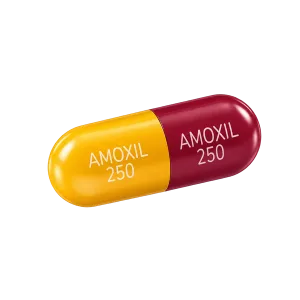
Amoxil
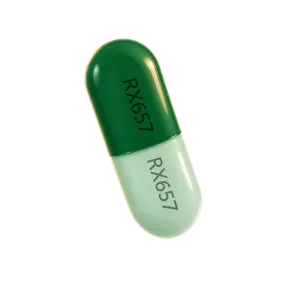
Ampicillin
Augmentin Current
Bactrim
Cefadroxil
Cephalexin
Customer Feedback on Augmentin
Sources
- FDA (2016). Augmentin: Prescribing Information.
- WHO (2022). The WHO AWaRe Antibiotic Book.
- NICE (2019). Sinusitis (acute): Antimicrobial Prescribing.
- FDA (2016). Augmentin: Warnings and Precautions.
- EMA (2023). Amoxicillin/Clavulanic Acid: Summary of Product Characteristics (SmPC).