Neil, 27
Dallas
Verified
I took the full course as scheduled and the burning eased within a few days. I was relieved that my follow-up symptoms stayed gone after finishing the tablets.
Nov 10, 2026

Cipro uses ciprofloxacin to stop susceptible bacteria from multiplying. These oral tablets are prescribed for selected bacterial infections in adults when the medicine matches the infection and its susceptibility profile.
By blocking bacterial DNA replication, Cipro uses ciprofloxacin to stop susceptible bacteria from multiplying. These tablets are prescribed for selected bacterial infections in adults when ciprofloxacin matches the infection and its susceptibility profile. It does not treat colds, influenza, or other viral illnesses.
Cipro may be selected for complicated urinary tract infections, pyelonephritis, bacterial prostatitis, selected gastrointestinal infections, typhoid fever, certain skin or bone infections, and post-exposure treatment or prevention of anthrax. It may also be used for selected respiratory infections when the likely organism is susceptible and alternatives are unsuitable.
For uncomplicated cystitis, clinicians often choose a narrower-spectrum option when it can reliably treat the identified organism. Gonorrhea treatment requires current public-health guidance because resistance patterns have changed substantially.
Urinary infections are a common reason for ciprofloxacin prescribing, yet a simple bladder infection and a kidney infection are not managed in the same way. Fever, flank pain, vomiting, recurrent infection, obstruction, or a urinary catheter can change the treatment approach.
Cipro is not a routine answer for every pneumonia diagnosis. The likely pathogen, local resistance data, lung disease, severity of illness, and prior antibiotic exposure guide the selection.
Typhoid fever may require ciprofloxacin when testing shows the strain is susceptible. For gonorrhea, resistance makes empiric ciprofloxacin inappropriate unless susceptibility has been established through recommended testing. Anthrax is a specialized indication directed by public-health and infectious-disease protocols. [2]
Ciprofloxacin inhibits DNA gyrase and topoisomerase IV, preventing susceptible bacteria from unwinding, copying, repairing, and separating their DNA. This disrupts bacterial cell division and can cause susceptible organisms to die.
Cipro is contraindicated in people with a serious allergic reaction to ciprofloxacin or another quinolone antibiotic and in people taking tizanidine, because ciprofloxacin can sharply raise tizanidine levels and cause dangerous low blood pressure and excessive sedation.
Cipro is not for you if you have had a serious allergic reaction to ciprofloxacin or another quinolone antibiotic. It is also not for you if you take tizanidine, because ciprofloxacin can sharply raise tizanidine levels and cause dangerous low blood pressure and excessive sedation.
Tell the prescriber about kidney disease, seizures, peripheral neuropathy, aortic aneurysm or vascular disease, heart-rhythm conditions, low potassium, liver disease, myasthenia gravis, and any past tendon injury related to antibiotics.
Nausea, diarrhea, stomach discomfort, headache, dizziness, sleep disturbance, and taste changes can occur with Cipro. These effects are often manageable, yet persistent or severe symptoms deserve clinical advice.
Ciprofloxacin also carries serious fluoroquinolone safety warnings. Tendonitis, tendon rupture, peripheral neuropathy, central nervous system effects, severe blood-sugar disturbances, and worsening myasthenia gravis are uncommon but medically significant risks. [3]
Mild nausea may improve when the tablet is taken with a regular meal. Loose stools can occur because antibiotics affect normal intestinal bacteria. A mild rash, itching, dizziness, or sleep change should be assessed promptly if it is progressing.
Photosensitivity can make sunburn happen faster than expected. This matters for outdoor workers, drivers, gardeners, runners, and people using tanning beds.
Stop the medicine and seek urgent medical advice for tendon pain, swelling, stiffness, or a snapping sensation. The Achilles tendon is often involved, though shoulder, hand, and other tendons can be affected. Risk is higher in older adults, people taking corticosteroids, transplant recipients, and those with previous tendon disorders.
Peripheral neuropathy may present as burning, tingling, numbness, weakness, or unusual sensitivity in the hands or feet. Palpitations, fainting, yellowing of the skin or eyes, dark urine, severe weakness, confusion, agitation, or hallucinations also require prompt evaluation. QT prolongation is a heart-rhythm concern for people with existing rhythm disorders or medicines that affect cardiac conduction.
Clostridioides difficile can cause severe antibiotic-associated diarrhea during treatment or weeks afterward. Watery diarrhea that persists, bloody stools, fever, or cramping requires medical evaluation. Do not self-treat severe diarrhea with antidiarrheal medicines before clinical assessment.
Cipro contains ciprofloxacin, supplied as oral tablets. Ciprofloxacin is a fluoroquinolone antibiotic, also called a quinolone antibiotic, with activity against a range of Gram-negative and some Gram-positive bacteria. Its broad-spectrum activity does not mean it is suitable for every infection.
Ciprofloxacin is present as ciprofloxacin hydrochloride, a salt form that delivers the active antibacterial substance. Fluoroquinolones are absorbed into the bloodstream after oral use and reach tissues where susceptible bacteria are causing infection.
Dosing differs between strengths and between users, so there is no single amount that suits everyone. The selected dose and treatment duration depend on the infection site, bacterial susceptibility, kidney function, age, and other medicines being taken.
Ciprofloxacin blocks two bacterial enzymes: DNA gyrase and topoisomerase IV. Bacteria need these enzymes to unwind, copy, repair, and separate DNA during cell division. When the enzymes are inhibited, bacterial growth stops and susceptible organisms die.
Resistance can prevent treatment success. Treatment may fail. Some bacteria alter the target enzymes, reduce drug entry, or pump ciprofloxacin out of the cell before it can work. [1]
Cipro is supplied as oral tablets. Dosing differs between strengths and between users, so there is no single amount that suits everyone. Kidney impairment often requires a modified schedule because ciprofloxacin is cleared largely through the kidneys.
Take tablets exactly at the prescribed interval, with a full glass of water. They may be taken with meals or between meals, but avoid taking a tablet with dairy products or calcium-fortified juice alone because absorption may fall.
The tablet is not interchangeable with extended-release ciprofloxacin products. Modified-release tablets must be swallowed whole; crushing or chewing them can release the medicine too quickly and alter its intended exposure.
Oral tablets are also different from injectable ciprofloxacin. Injectable treatment is used in clinical settings when oral treatment is unsuitable or an infection is severe.
Ciprofloxacin eye drops and ciprofloxacin otic preparations act locally and are not substitutes for oral Cipro tablets. Some ear products combine ciprofloxacin with a corticosteroid for inflammation, which changes both their role and their precautions.
Antibiotic choice is driven by the infection site, culture results, allergies, kidney function, pregnancy status, and local resistance patterns. A narrower-spectrum antibiotic is often preferred when it can reliably treat the known infection because it exposes fewer bacteria to broad antibacterial pressure.
Levofloxacin is also a fluoroquinolone. It shares class-related warnings involving tendons, nerves, the central nervous system, and heart rhythm. It is not automatically a safer substitute for Cipro.
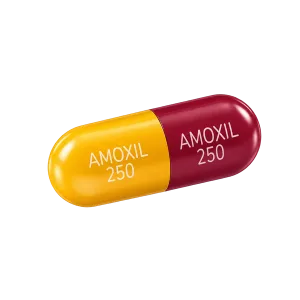
Nitrofurantoin is mainly used for selected lower urinary tract infections and does not provide broad tissue coverage. Amoxicillin works only when the relevant bacteria are susceptible. Azithromycin targets different organisms and has its own interaction and QT-related considerations.
Cipro works best when its use matches the diagnosed infection and the dosing schedule is consistent. Skipping tablets, stopping early because symptoms improve, sharing tablets, or saving extras for later can increase the chance of treatment failure and resistance.
Common mistakes include:
Allergic swelling of the face or throat, breathing difficulty, fainting, severe palpitations, jaundice, severe diarrhea, sudden weakness, or tendon rupture require urgent care.
In clinical practice, prescribers tend to reserve Cipro for infections where its bacterial coverage offers a clear advantage. Culture results can be more valuable than guessing, especially after a previous antibiotic has failed or urinary infections recur.
Doctors also watch for a mismatch between symptoms and diagnosis. Burning urination can arise from causes other than a bacterial urinary tract infection, and a cough does not automatically mean bacterial pneumonia. Cipro should address a confirmed or strongly suspected susceptible bacterial infection, not simply the presence of discomfort.
The practical goal is precise treatment: the appropriate antibiotic, at the appropriate dose, for the prescribed duration.
Yes. Tendonitis and tendon rupture are well-known fluoroquinolone risks, and they may occur during treatment or after the final dose. Achilles tendon pain is common. Other tendons can be affected. The FDA prescribing information revised in 2023 advises stopping ciprofloxacin and seeking medical advice if tendon pain, swelling, or inflammation develops. [4]
Cipro should not be taken at the same time as antacids or products containing calcium, iron, magnesium, zinc, or sucralfate. These substances can bind ciprofloxacin and reduce absorption from the intestine. The FDA prescribing information (2023) advises using the stated separation schedule for these products. Bring a full medication and supplement list to the prescribing discussion.
Ciprofloxacin can be used in children for limited, specific infections when the expected benefit outweighs the risks. Joint and musculoskeletal adverse effects require special consideration in pediatric patients. The FDA prescribing information (2023) includes pediatric uses for selected conditions such as complicated urinary infections and anthrax exposure. A pediatric prescriber should determine the regimen and monitoring plan.
Discuss previous tendon injury, neuropathy, seizures, kidney disease, heart-rhythm disorders, myasthenia gravis, vascular disease, and any serious antibiotic allergy. Provide details of tizanidine, theophylline, warfarin, cyclosporine, corticosteroids, antacids, and mineral supplements. The FDA (2023) and EMA (2019) both emphasize that fluoroquinolone risks must be weighed against the expected benefit for the individual infection. Mention any history of severe diarrhea after antibiotics.
Take Cipro with water and avoid taking it with dairy products or calcium-fortified juice alone. Separate mineral products according to the prescription instructions, and use sun protection because photosensitivity can occur. Avoid high-impact exercise if tendon soreness develops. WHO (2023) antimicrobial stewardship guidance also supports completing treatment exactly as prescribed rather than saving tablets for future symptoms.
Contact the prescriber if symptoms fail to improve, worsen, return soon after treatment, or are accompanied by fever, flank pain, vomiting, or new severe symptoms. The infection may need a culture, susceptibility testing, imaging, or reassessment for a non-bacterial cause. Do not take extra tablets or extend the course independently. The FDA prescribing information (2023) supports clinical reassessment, especially for recurrent urinary symptoms and persistent respiratory complaints.
Your order will be securely packed and shipped within 24 hours. This is exactly what your package will look like (images of an actual item sent). It has the size and look of a regular private letter (9.4x4.3x0.3 in.) and its contents cannot be seen.




Cipro and other fluoroquinolones have prominent FDA boxed warnings because some reactions can be disabling and may persist. Tendon rupture, peripheral neuropathy, psychiatric or neurologic effects, and worsening muscle weakness in myasthenia gravis are central safety themes.
The risk-benefit balance can still favor Cipro for serious infections, resistant bacteria, or situations where suitable alternatives are limited. For less serious infections with dependable alternatives, clinicians may select a different antibiotic to avoid unnecessary fluoroquinolone exposure.
Persistent nerve symptoms, tendon symptoms, marked mood or behavior changes, or new weakness should be medically assessed rather than ignored after the course ends.
