Skip to content
Save up to 80% Fast & Discrete Delivery
Cipmox Amoxicillin
Quality products
Fast & Discrete Delivery
Money-back guarantee

Cipmox Amoxicillin

4 (3 customer reviews)
Delivery: 4-7 business days
Payment
24/7 Support
Active ingredient: Amoxicillin

Free bonus tablets with every order: 4 on any order, 8 over $112.00, 12 over $222.88, 16 over $334.88

256-bit SSL
Certified pharmacy
Money-back guarantee

Amoxicillin, the active ingredient of Cipmox Amoxicillin, is a penicillin-type antibiotic used for susceptible bacterial infections of the ear, throat, respiratory tract, skin, and urinary tract. Cipmox Amoxicillin capsules block bacterial cell-wall production, helping the body clear the infection.

Overview

Cipmox Amoxicillin contains amoxicillin trihydrate, an orally used broad-spectrum aminopenicillin antibiotic. Amoxicillin belongs to the beta-lactam family, meaning its antibacterial activity depends on disrupting a structure that bacteria need to survive.

Active Ingredient and Pharmaceutical Class

Amoxicillin trihydrate delivers amoxicillin, the active antibacterial substance. It is active against a range of susceptible bacteria, including many strains involved in ear, nose, throat, chest, urinary, skin, and dental infections.

Therapeutic indications

Cipmox Amoxicillin is prescribed when the clinical picture and, where needed, bacterial testing support treatment with amoxicillin. It is often used for uncomplicated infections caused by organisms known to be susceptible, though local resistance patterns and a patient’s allergy history influence the choice.

Antibiotics do not relieve symptoms instantly. They reduce bacterial growth, while the immune system clears inflammation and damaged tissue recovers.

Body system Examples of bacterial infections Clinical consideration
Ear, nose, and throat Middle-ear infection, bacterial sinus infection, tonsil-related infection Viral symptoms require a different approach
Respiratory tract Certain bacterial chest and airway infections Worsening breathlessness needs prompt assessment
Urinary tract Selected uncomplicated urinary infections Culture results can guide treatment where symptoms persist
Skin and soft tissue Susceptible skin infections and dental infections Spreading redness or fever may need urgent review

The Centers for Disease Control and Prevention emphasizes that using antibiotics only for likely bacterial infections helps limit resistance and protects the usefulness of these medicines over time. [2]

A cough with a runny nose, hoarseness, and body aches is often viral. Taking amoxicillin for those symptoms can cause side effects without treating the cause.

How it affects the body

Amoxicillin is bactericidal, meaning it kills susceptible bacteria rather than merely slowing their growth. It attaches to bacterial enzymes called penicillin-binding proteins, often shortened to PBPs. These enzymes assemble peptidoglycan, the rigid mesh that forms the bacterial cell wall.

Once peptidoglycan production is interrupted, actively growing bacteria lose structural stability and rupture. Human cells do not have cell walls, which explains why this mechanism can target bacteria selectively.

Resistance remains the main limitation. Some bacteria produce beta-lactamase enzymes that break down amoxicillin, while others alter the PBPs that amoxicillin needs to bind. The European Medicines Agency describes beta-lactam susceptibility and resistance testing as central to appropriate antibiotic selection. [3]

A missed dose may allow bacteria to resume growth. Taking doses consistently supports stable antibiotic exposure.

Reasons not to use it

Immediate reactions include hives, breathing difficulty, throat swelling, collapse, or severe blistering skin reactions.

Extra caution is needed in people with reduced kidney function because amoxicillin clearance may be slower. Infectious mononucleosis can be associated with a prominent rash after amoxicillin exposure, so a clinician may consider this diagnosis when severe sore throat, swollen lymph nodes, and marked fatigue occur together.

Tell the prescriber about medicines that may interact with amoxicillin, including:

  • Warfarin or other anticoagulants: closer monitoring may be needed because clotting tests can change.
  • Methotrexate: amoxicillin can reduce its elimination and increase toxicity risk.
  • Allopurinol: may increase the likelihood of skin rash.
  • Probenecid: can raise amoxicillin concentrations by reducing kidney excretion.
  • Live oral typhoid vaccine: antibiotics may reduce the vaccine’s effect.

When this is not for you

Cipmox Amoxicillin is not for you if you have had a serious immediate allergic reaction to amoxicillin, another penicillin, or a beta-lactam antibiotic. Keep a written record of antibiotic allergies and the exact reaction. “Penicillin allergy” is too vague to guide future treatment if the reaction was only nausea rather than hives or breathing trouble.

Possible side effects

Most people tolerate Cipmox Amoxicillin without serious difficulty. Digestive symptoms are among the most frequent effects because antibiotics can temporarily alter the normal bacterial balance in the gut.

Reaction pattern Possible symptoms Appropriate response
Common digestive effects Nausea, loose stools, abdominal discomfort Maintain fluids and report persistent symptoms
Skin reaction Rash, itching, hives Stop further doses and seek clinical advice promptly
Serious allergy Facial swelling, throat tightness, wheezing, faintness Seek emergency care immediately
Antibiotic-associated colitis Severe or persistent watery diarrhea, fever, abdominal cramping, blood or mucus in stool Seek urgent medical assessment

Severe diarrhea can occur during treatment or after the course has ended because antibiotics may allow Clostridioides difficile to overgrow in the bowel. FDA prescribing information lists serious hypersensitivity reactions and antibiotic-associated colitis among clinically significant risks. [4]

Do not treat severe diarrhea caused during or after antibiotics with an anti-diarrheal product before getting medical advice. Slowing bowel movement can be inappropriate when antibiotic-associated colitis is suspected.

Formulation

Cipmox Amoxicillin contains amoxicillin trihydrate, an orally used broad-spectrum aminopenicillin antibiotic. Amoxicillin belongs to the beta-lactam family, meaning its antibacterial activity depends on disrupting a structure that bacteria need to survive.

Active Ingredient and Pharmaceutical Class

Amoxicillin trihydrate delivers amoxicillin, the active antibacterial substance. It is active against a range of susceptible bacteria, including many strains involved in ear, nose, throat, chest, urinary, skin, and dental infections.

The medicine acts only against bacteria that are sensitive to amoxicillin. Viruses do not respond. Colds, influenza, and most sore throats caused by viruses will not improve with an antibiotic.

Amoxicillin is absorbed after oral use and reaches body tissues and fluids where susceptible bacteria are multiplying. FDA prescribing information identifies it as a penicillin-class antibacterial agent with established use across several bacterial infection types. [1]

A previous reaction to penicillin matters. Hives, facial swelling, wheezing, or a severe skin eruption after penicillin or a cephalosporin should be reported before amoxicillin is started.
Dosage and administration

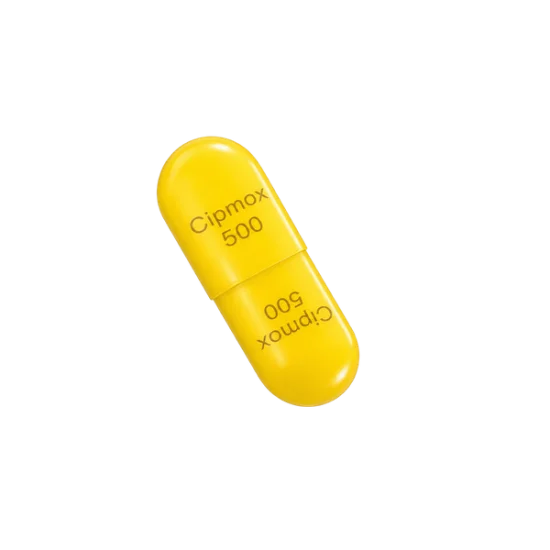
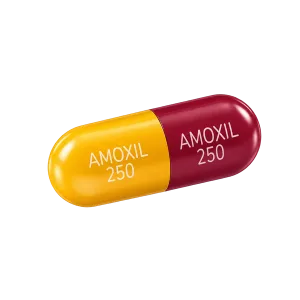
Take Cipmox Amoxicillin by mouth at the individually prescribed dose and schedule. The amount per intake is set individually for each person rather than being one fixed number. Infection type, kidney function, age, body size, and bacterial susceptibility all influence the regimen.

  • Swallow each capsule with water.
  • Take doses at evenly spaced intervals each day.
  • Continue for the full prescribed duration, even if symptoms improve early.
  • A dose may be taken with food if stomach upset occurs.
  • If a dose is missed, take it when remembered unless the next planned dose is close.
  • Do not take two doses together to make up for one missed dose.

Dose timing matters. A smartphone alarm can prevent the common pattern of taking doses several hours late after the first few days of treatment.

Pairing each dose with a fixed daily routine, such as breakfast or brushing teeth, can help. The goal is even spacing, not taking several delayed doses close together.

Comparison

Amoxicillin may also be combined with a beta-lactamase inhibitor for infections where resistance enzymes are likely to limit amoxicillin alone. That combination has a different adverse-effect profile and should not be substituted without a prescriber’s decision.

Common mistakes

Several errors can make antibiotic treatment less successful or make side effects harder to interpret.

  • Stopping when symptoms improve: bacteria may remain even when pain or fever has settled.
  • Saving leftover capsules: a later illness may need a different treatment or no antibiotic at all.
  • Sharing antibiotics: another person may have a viral illness, an allergy, kidney impairment, or a resistant infection.
  • Doubling after a missed dose: this increases side-effect risk without restoring the intended schedule.
  • Ignoring a new rash: rashes need medical assessment because a true allergy affects future antibiotic choices.
  • Using it for a cold: amoxicillin does not treat viral respiratory infections.

A common real-world problem is continuing an antibiotic despite worsening symptoms because the person expects it to work immediately. New shortness of breath, persistent high fever, confusion, rapidly spreading redness, or inability to keep fluids down needs timely medical assessment.

What doctors say

In clinical practice, prescribers first decide whether an infection is likely bacterial and whether amoxicillin fits the probable organism. The presence of colored mucus alone does not prove a bacterial infection. Fever duration, pain pattern, examination findings, medical history, and testing all carry more weight.

Doctors also look for signs that call for a different strategy: recurrent infections, severe systemic symptoms, treatment failure, kidney impairment, or a history of immediate penicillin allergy. For a straightforward susceptible infection, adherence to the prescribed interval is often more important than taking an extra dose.

Amoxicillin can improve the infection while still causing temporary digestive upset. That trade-off is common, but breathing symptoms, swelling, widespread hives, or severe diarrhea are not symptoms to wait out.

Common questions

Which symptoms mean I should stop Cipmox Amoxicillin and seek urgent medical care?

Stop taking it and seek urgent help for trouble breathing, wheezing, throat or facial swelling, fainting, or widespread hives. Severe blistering, peeling skin, sores in the mouth, or a rash with fever also needs urgent evaluation. Severe persistent diarrhea, blood in stool, or intense abdominal pain can signal antibiotic-associated colitis. The FDA’s 2023 prescribing information lists serious allergic reactions and severe gastrointestinal complications as urgent safety concerns. Emergency services are appropriate when breathing or circulation is affected.

How long does one dose of Cipmox Amoxicillin keep working?

Amoxicillin works best when doses are taken at the prescribed intervals because blood and tissue concentrations fall over time. Its antibacterial activity depends on maintaining exposure above the level needed to inhibit susceptible bacteria, rather than producing one large peak. Skipping or delaying repeated doses can reduce that coverage. The EMA’s scientific information on amoxicillin explains why the dosing interval is part of antimicrobial effectiveness.

Can older adults use Cipmox Amoxicillin?

Older adults can use amoxicillin when it is clinically appropriate, though kidney function deserves attention because reduced clearance can increase drug exposure. An older person taking warfarin, methotrexate, or multiple medicines needs an interaction review before treatment begins. New confusion, dehydration from diarrhea, or a severe rash should be assessed promptly. The FDA has included renal function and medication interactions in amoxicillin prescribing guidance since 2023.

Can Cipmox Amoxicillin be used during pregnancy or breastfeeding?

Amoxicillin is commonly considered when an antibiotic is needed during pregnancy, with the choice based on the infection, allergy history, and individual clinical situation. Small amounts pass into breast milk and may occasionally cause loose stools, thrush, or rash in a breastfed infant. A prescriber should assess maternal infection severity and any prior beta-lactam allergy before selecting treatment. The National Library of Medicine’s LactMed record, updated in 2025, discusses amoxicillin exposure during breastfeeding.

How should Cipmox Amoxicillin be stored at home and while traveling?

Keep the capsules dry, protected from excessive heat and moisture, and out of reach of children. A bathroom cabinet is often a poor location because repeated steam exposure can damage medicines. For travel, keep doses in a secure container and maintain the same dosing interval across time changes where possible. The FDA’s 2023 amoxicillin guidance supports storing oral solid medicines under controlled room-temperature conditions.

What is one concrete condition that rules out Cipmox Amoxicillin?

A previous immediate, serious allergic reaction to amoxicillin or another penicillin rules it out unless a specialist has formally evaluated the allergy. Symptoms such as anaphylaxis, throat swelling, wheezing, or collapse indicate a high-risk reaction. Nausea alone is unpleasant but is not the same as an allergy, which is why documenting the exact past reaction matters. WHO antimicrobial stewardship guidance published in 2023 identifies allergy assessment as part of safer antibiotic selection.

Do you offer anonymous delivery?

Your order will be securely packed and shipped within 24 hours. This is exactly what your package will look like (images of an actual item sent). It has the size and look of a regular private letter (9.4x4.3x0.3 in.) and its contents cannot be seen.

Comparison

Comparison table: Antibiotics

Customer Feedback on Cipmox Amoxicillin

Ben, 31
Houston
The full prescribed course
Verified
Rating: 5 out of 5
I took the prescribed dose of Cipmox Amoxicillin for the full prescribed course for a bacterial sinus infection and felt the pressure around my cheeks start to ease after a few days. I was able to sleep normally again.
Nov 2, 2026
John, 48
St. Louis
Two days
Verified
Rating: 2 out of 5
I took the prescribed dose of Cipmox Amoxicillin for two days for a sore throat, but it did not help and I developed an itchy rash. I stopped taking it and was evaluated because the illness turned out to need a different approach.
Nov 8, 2026
Daniel, 60
Raleigh
The full prescribed course
Verified
Rating: 5 out of 5
I took the prescribed dose of Cipmox Amoxicillin for the full prescribed course for a dental infection before follow-up treatment. The throbbing pain and gum swelling settled steadily, and I was satisfied with how the infection responded.
Oct 12, 2026

Sources

  1. FDA (2023). Amoxicillin Capsules, USP: Prescribing Information.
  2. Centers for Disease Control and Prevention (2024). Antibiotic Use and Your Health.
  3. European Medicines Agency (2023). Amoxicillin: Summary of Product Characteristics.
  4. FDA (2023). Amoxicillin: Drug Safety Information and Prescribing Information.
Get our free app Shop faster and track your orders 4.0 · 266 reviews Install