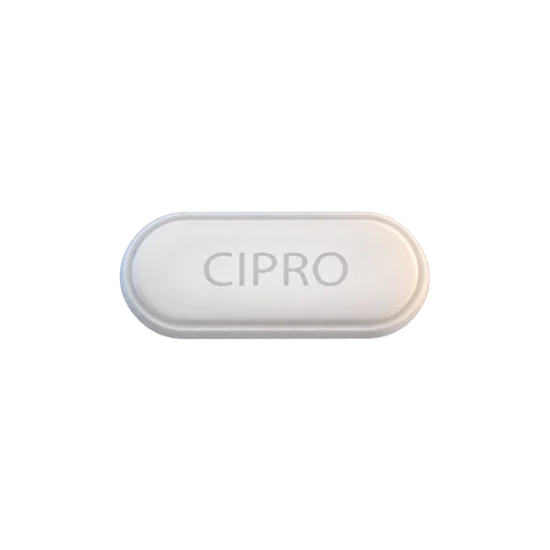
Ciflox Intas ciprofloxacin
4.1 (5 customer reviews)Urinary, gastrointestinal, and selected respiratory bacterial infections may require an antibiotic chosen for the organism and infection site. Ciflox Intas ciprofloxacin contains ciprofloxacin, a fluoroquinolone that blocks bacterial DNA replication in susceptible bacteria.
Overview
Ciflox Intas ciprofloxacin is an anti-infective treatment containing ciprofloxacin, a fluoroquinolone antibiotic. Fluoroquinolones are broad-spectrum antibiotics that reach useful concentrations in urine and several body tissues, which explains their role in selected bacterial infections.
Therapeutic indications
Ciflox Intas ciprofloxacin may be prescribed for bacterial infections caused by organisms known or expected to be susceptible to ciprofloxacin. Common clinical settings include complicated urinary tract infections, kidney infections, certain gastrointestinal infections, some skin infections, bone or joint infections, and selected infections caused by Gram-negative bacteria.
Acute uncomplicated cystitis is treated with other antibiotic classes in many patients because fluoroquinolones carry meaningful adverse-effect risks. Ciprofloxacin can still have a role when culture results, allergies, resistance, or infection complexity make other options unsuitable.
Respiratory use requires care. Ciprofloxacin may be used for certain lower respiratory infections involving susceptible Gram-negative organisms, including Pseudomonas aeruginosa. It is not usually the preferred single treatment for routine community-acquired pneumonia because its activity against Streptococcus pneumoniae is less reliable than that of respiratory fluoroquinolones.
The WHO AWaRe antibiotic framework places fluoroquinolones in the Watch group, reflecting their value for specific infections and the need to limit unnecessary exposure that drives antimicrobial resistance [2].
- Urinary infections: complicated urinary tract infection, pyelonephritis, and infections linked to susceptible bacteria.
- Gastrointestinal infections: selected bacterial diarrhea syndromes, typhoid fever, and infections involving susceptible enteric organisms.
- Respiratory infections: selected Gram-negative respiratory infections rather than routine viral coughs.
- Other uses: certain skin, bone, abdominal, or bloodstream infections when susceptibility supports ciprofloxacin.
Viruses do not respond.
How it affects the body
Active Ingredient and Mechanism of Action
Ciprofloxacin inhibits two bacterial enzymes: DNA gyrase and topoisomerase IV. Bacteria need these enzymes to unwind, copy, and repair their DNA. When those processes stop, susceptible bacteria cannot multiply and are eliminated by the body’s immune defenses.
The FDA prescribing information describes ciprofloxacin as a fluoroquinolone with activity against defined susceptible organisms, while also stressing that antibiotic selection should reflect culture results, local resistance patterns, and infection severity [1]. NICE and CDC antimicrobial guidance likewise supports culture-informed antibiotic selection.
Reasons not to use it
Ciflox Intas ciprofloxacin is not for you if you have had a serious allergic reaction to ciprofloxacin or another fluoroquinolone. It is also unsuitable with tizanidine, a muscle relaxant, because ciprofloxacin can raise tizanidine levels and cause dangerous sedation and low blood pressure.
- A previous tendon disorder linked to a fluoroquinolone.
- Myasthenia gravis, because muscle weakness can worsen.
- A history of seizures, epilepsy, serious psychiatric illness, or significant central nervous system disease.
- Known aortic aneurysm, aortic dissection, or major risk factors for these conditions.
- Heart-rhythm risk, including low potassium, low magnesium, marked bradycardia, or use of medicines that prolong the QT interval.
- Kidney impairment, where the prescribed regimen may need adjustment.
- Diabetes treated with insulin or sulfonylureas, because blood glucose can become too low or too high.
Warfarin, theophylline, caffeine, cyclosporine, corticosteroids, antiarrhythmic drugs, and some antidepressants can require closer monitoring or a treatment change. Corticosteroid use deserves special attention because it increases the risk of tendon injury.
When this is not for you
The EMA restricted systemic fluoroquinolone use after reviewing reports of long-lasting tendon, nerve, joint, muscle, and nervous-system reactions. Ciprofloxacin remains useful when the expected benefit is stronger than these risks and a more suitable antibiotic is unavailable [4].
Possible side effects
Most people who tolerate ciprofloxacin experience either no symptoms or mild gastrointestinal effects. Nausea, diarrhea, abdominal discomfort, headache, altered taste, and sleep disturbance are among the more frequent reactions. Mild diarrhea can occur because antibiotics change the balance of intestinal bacteria.
Fluoroquinolones also have less common but more serious risks. The FDA boxed warning for ciprofloxacin addresses tendinitis and tendon rupture, peripheral neuropathy, central nervous system effects, and worsening of myasthenia gravis [3].
Tendon pain needs prompt action.
Pain, swelling, stiffness, or a snapping sensation in the Achilles tendon, shoulder, hand, biceps, or another tendon needs urgent clinical assessment. Stop physical training while this is being assessed. Tendon injury can occur during treatment or after it has ended.
Seek urgent care for severe watery or bloody diarrhea, fainting, seizures, confusion, hallucinations, facial swelling, widespread rash, trouble breathing, severe weakness, or symptoms of a serious allergic reaction.
Formulation
Ciflox Intas ciprofloxacin is an anti-infective treatment containing ciprofloxacin, a fluoroquinolone antibiotic. Fluoroquinolones are broad-spectrum antibiotics that reach useful concentrations in urine and several body tissues, which explains their role in selected bacterial infections.
Ciprofloxacin acts against bacteria, not viruses. It will not treat influenza, a cold, viral sore throat, or most viral bronchitis.
Dosage and administration
Ciflox Intas ciprofloxacin is taken by mouth at the prescribed dose and interval. Dosing differs between strengths, kidney function, infection site, bacterial susceptibility, age, and the severity of illness, so there is no single amount that suits everyone.
Take each dose with a full glass of water. Ciprofloxacin may be taken with a meal if nausea occurs, though dairy products alone are not suitable for taking the dose because calcium can reduce absorption.
Use this routine:
- Take the prescribed dose at evenly spaced times each day.
- Swallow the tablet whole with water.
- Keep taking fluids through the day unless a clinician has advised fluid restriction.
- Separate ciprofloxacin from antacids, sucralfate, iron, zinc, calcium supplements, and multivitamins. These products can bind ciprofloxacin in the gut and sharply reduce the amount absorbed.
- If a dose is missed, take it when remembered unless the next dose is due soon. Do not take two doses together.
Adequate hydration lowers the chance of crystalluria, where drug crystals can form in concentrated urine. This complication is uncommon, yet it is one reason clinicians emphasize fluids during ciprofloxacin treatment [1].
Practical Administration Details
Sun sensitivity can also occur. A short walk outdoors may cause more redness than expected, so use protective clothing and limit intense sun exposure during treatment.
Comparison
Ciprofloxacin treatment is selected by infection type, bacterial culture, renal function, and the need for oral or hospital-based therapy. The active ingredient matters more clinically than the brand name: two oral products containing ciprofloxacin are pharmacologically equivalent when they deliver the same prescribed formulation and strength.
For uncomplicated urinary infections, clinicians often favor narrower-spectrum options when they are likely to work. Narrower therapy can reduce collateral effects on gut bacteria and may lower selection pressure for resistant organisms.
Ciprofloxacin can be valuable for infections caused by resistant Gram-negative bacteria or for infections where oral treatment avoids hospital-based intravenous therapy. The limitation is clear: broad-spectrum activity does not mean it is the right first choice for every infection.
Common mistakes
Several avoidable habits can reduce ciprofloxacin’s benefit or make adverse effects harder to recognize.
- Taking the dose with an iron supplement, calcium tablet, antacid, or multivitamin and reducing antibiotic absorption.
- Stopping treatment as soon as burning, fever, cough, or urinary urgency improves.
- Taking leftover antibiotics from a previous illness instead of treating the present infection based on clinical assessment.
- Ignoring tingling, numbness, tendon pain, intense anxiety, or sudden sleep changes.
- Returning immediately to running, weightlifting, or high-impact exercise after tendon discomfort begins.
- Using large amounts of caffeine and mistaking drug-related jitteriness for anxiety alone.
- Assuming diarrhea is always harmless, even when it becomes severe, persistent, or bloody.
What doctors say
In clinical practice, prescribers often reserve ciprofloxacin for situations where bacterial susceptibility, infection location, and patient factors support its use. A culture result can shift the decision quickly. A drug that is appropriate for a complicated kidney infection may be unnecessary for an uncomplicated bladder infection. Prescribers therefore match the drug to the infection site and identified organism. They also review patient-specific risks before prescribing.
Doctors also ask directly about prior tendon pain, steroid treatment, heart rhythm concerns, aneurysm history, and neurologic symptoms. These questions are not routine paperwork. They identify people for whom another antibiotic may offer a better risk-benefit balance.
Ciprofloxacin works best when the treatment target is specific. Taking an antibiotic for a viral illness adds adverse-effect risk without treating the cause.
Common questions
How should Ciflox Intas ciprofloxacin be stored at home and while travelling?
Store ciprofloxacin tablets in a dry place at controlled room temperature, away from direct heat, humidity, and children. A bathroom cabinet is often a poor choice because steam and moisture can build up there. During travel, keep the tablets in a secure carry-on bag rather than leaving them in a hot car. FDA prescribing information from 2016 supports keeping medicines in conditions that protect product stability.
Is Ciflox Intas ciprofloxacin suitable for older adults?
Older adults can use ciprofloxacin when it is clinically indicated, though risk assessment is more important in this group. Tendon problems are more likely with advancing age, and the risk rises further with corticosteroid treatment. Kidney function may also affect the prescribed regimen. The FDA warned in 2018 that fluoroquinolone risks require careful benefit-risk assessment, especially in people with predisposing factors.
Can Ciflox Intas ciprofloxacin be used during pregnancy or breastfeeding?
Ciprofloxacin is generally avoided during pregnancy unless a clinician judges that it is needed and more suitable options are not appropriate. During breastfeeding, the decision depends on the infection, the infant’s age, and whether another antibiotic can treat the identified organism. The FDA’s 2016 prescribing information advises individualized clinical assessment for pregnancy and lactation. Do not start or continue treatment during either period without the prescriber managing the infection.
How long does a ciprofloxacin course last, and is long-term use acceptable?
Course length depends on the diagnosis, bacterial susceptibility, infection severity, kidney function, and treatment response. Some infections need only a short course, while deep or complicated infections may need longer treatment under active medical supervision. Long-term ciprofloxacin use is not a routine strategy because cumulative exposure can increase the chance of serious fluoroquinolone reactions. EMA restrictions issued in 2019 support using systemic fluoroquinolones only when the expected benefit justifies those risks.
Can alcohol be consumed while taking Ciflox Intas ciprofloxacin?
Alcohol does not create a classic direct interaction with ciprofloxacin, yet it can worsen nausea, dizziness, sleep disruption, dehydration, and impaired concentration. Heavy drinking can also make it harder to notice neurologic side effects or to recover from an infection. Avoiding alcohol is the more practical choice until the course is finished and you feel well. The WHO AWaRe Antibiotic Book published in 2022 emphasizes adherence and appropriate antibiotic use during treatment.
Do you offer anonymous delivery?
Your order will be securely packed and shipped within 24 hours. This is exactly what your package will look like (images of an actual item sent). It has the size and look of a regular private letter (9.4x4.3x0.3 in.) and its contents cannot be seen.
Comparison
Amoxil
Ampicillin
Augmentin
Bactrim
Cefadroxil
Cephalexin
How should Ciflox Intas ciprofloxacin be stored at home and while travelling?
Store ciprofloxacin tablets in a dry place at controlled room temperature, away from direct heat, humidity, and children. A bathroom cabinet is often a poor choice because steam and moisture can build up there. During travel, keep the tablets in a secure carry-on bag rather than leaving them in a hot car. FDA prescribing information from 2016 supports keeping medicines in conditions that protect product stability.
Customer Feedback on Ciflox Intas ciprofloxacin
Sources
- FDA (2016). CIPRO (ciprofloxacin hydrochloride) prescribing information.
- WHO (2022). The WHO AWaRe antibiotic book.
- FDA (2018). FDA Drug Safety Communication: FDA updates warnings for oral and injectable fluoroquinolone antibiotics due to disabling side effects.
- EMA (2019). Disabling and potentially permanent side effects lead to suspension or restrictions of quinolone and fluoroquinolone antibiotics.