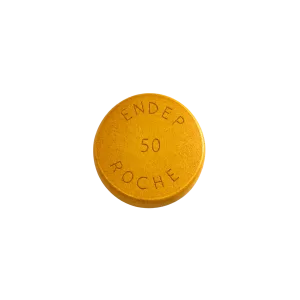
Endep
4.3 (3 customer reviews)Amitriptyline hydrochloride, the active ingredient of Endep, is a tricyclic antidepressant used for depression and selected chronic pain conditions. It changes serotonin and noradrenaline signaling in the brain and spinal cord, which can improve mood, sleep continuity, and pain modulation.
Overview
Endep contains amitriptyline hydrochloride, a salt form of amitriptyline that allows reliable oral absorption. Amitriptyline belongs to the tricyclic antidepressants, often called TCAs, a group that predates SSRIs and acts on several neurotransmitter systems at once [1].
Therapeutic indications
Endep is prescribed for major depressive disorder and may also be used when nerve-related pain, recurrent migraine, or poor sleep occurs alongside chronic symptoms. Prescribers select amitriptyline when its combined effects on mood, sleep, and pain pathways fit the person’s clinical picture.
For neuropathic pain, amitriptyline does not simply mask discomfort. It changes pain transmission within the central nervous system, making persistent burning, tingling, electric-shock sensations, or oversensitivity less intrusive for some people. NICE includes amitriptyline among initial pharmacological options for adults with neuropathic pain [2].
Bedwetting has also been treated with amitriptyline in limited specialist settings, though this is not a routine first-choice use. Children and adolescents need close individual assessment because antidepressants carry age-specific psychiatric warnings.
How it affects the body
Amitriptyline is a tricyclic antidepressant that increases the availability of serotonin and noradrenaline by inhibiting their reuptake in the nervous system. This alters signaling in brain and spinal cord pathways involved in mood, sleep, and pain processing.
Reasons not to use it
This medication is not for you if you have had a serious allergic reaction to amitriptyline, are taking a monoamine oxidase inhibitor, recently stopped one, or have been advised to avoid tricyclic antidepressants after a recent heart attack.
Avoid or carefully manage these combinations:
- Monoamine oxidase inhibitors, including phenelzine: the combination can trigger severe serotonin toxicity, dangerous blood-pressure changes, fever, confusion, and muscle rigidity.
- Fluoxetine, the active ingredient in Prozac: it can raise amitriptyline levels through liver-enzyme inhibition, increasing sedation and heart rhythm risks.
- Cisapride: the combination can raise the risk of serious abnormal heart rhythms.
- Other sedatives, opioid pain medicines, or sleep medicines: combined drowsiness can impair breathing and reaction time.
- Anticholinergic medicines: constipation, blurred vision, urinary retention, and confusion can become more severe.
- Medicines that prolong the QT interval: combined use may increase cardiac rhythm risk.
When this is not for you
Talk to a prescriber before using Endep if you have glaucoma, an enlarged prostate, severe constipation, epilepsy, liver disease, heart rhythm problems, or a history of falls. Be especially cautious if you already take medicines that make you sleepy, affect heart rhythm, or cause dry mouth, constipation, blurred vision, or difficulty urinating.
Possible side effects
Amitriptyline’s side effects reflect its action beyond serotonin and noradrenaline. Dry mouth and morning drowsiness are frequent reasons people find the medicine difficult at first, while constipation, dizziness, weight gain, blurred vision, and urinary retention may occur with continued use.
Dry mouth is common.
Anticholinergic Effects
Anticholinergic effects happen because amitriptyline blocks muscarinic receptors. They are more likely to be troublesome in older adults and in people with glaucoma, prostate enlargement, or bowel motility problems.
- Dry mouth or altered taste
- Constipation
- Blurred vision
- Difficulty starting urination or urinary retention
- Faster heartbeat
- Increased sensitivity to heat
Central Nervous System Effects
Amitriptyline can cause sleepiness, slowed reactions, dizziness, vivid dreams, reduced concentration, and morning grogginess. Some people experience restlessness or anxiety early in treatment rather than sedation.
Weight gain can occur over time. Appetite changes, lower activity from fatigue, and altered metabolism may all contribute. A gradual change is more useful to report than a single fluctuation after a large meal or poor night of sleep.
Cochrane’s review of amitriptyline for neuropathic pain found that some people obtain meaningful relief, though adverse effects and treatment discontinuation are common enough to shape the decision for each patient [3].
Alcohol can intensify sedation and poor coordination. People with glaucoma, enlarged prostate, severe constipation, epilepsy, liver disease, heart rhythm problems, or a history of falls need individualized prescribing decisions.
Formulation
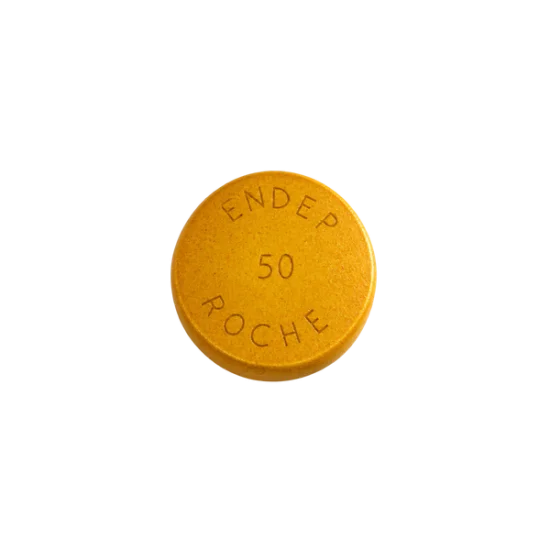
Endep contains amitriptyline hydrochloride, a salt form of amitriptyline that allows reliable oral absorption. Amitriptyline belongs to the tricyclic antidepressants, often called TCAs, a group that predates SSRIs and acts on several neurotransmitter systems at once [1].
Active Ingredient Profile
Amitriptyline reduces the reuptake of serotonin and noradrenaline. These chemical messengers help regulate mood, sleep, and the way the nervous system processes pain signals.
Its additional receptor effects explain both its benefits and limitations. Blocking histamine receptors can make people sleepy. Blocking muscarinic receptors can cause dry mouth, constipation, blurred vision, and difficulty passing urine.
Dosage and administration
Dose Planning and Oral Use
Endep is taken orally at the prescribed dose and schedule. An evening schedule is common when drowsiness is a concern, though depression treatment may require a different timing plan determined by the prescriber.
- Take each dose at a consistent time.
- Swallow the tablet with water.
- Do not crush tablets unless a prescriber has specifically advised it.
- Do not increase the amount because symptoms remain bothersome.
- If a dose is missed, take it when remembered unless the next scheduled dose is close; then skip the missed dose.
- Never take two doses together to compensate.
Dosing differs between strengths and between users, so there is no single amount that suits everyone. Age, indication, other medicines, heart rhythm history, and sensitivity to sedation all affect the prescribed regimen.
Comparison
Amitriptyline is the active therapeutic molecule in Endep. Treatment alternatives are usually selected by mechanism, target symptom, and tolerability rather than by trade name.
For pain-dominant symptoms, a clinician may also consider medicines that reduce nerve excitability rather than antidepressants. Amitriptyline may suit someone whose nerve pain and disrupted sleep occur together. It may be a poor fit for a person already struggling with constipation, urinary symptoms, falls, or marked daytime fatigue.
The World Health Organization lists amitriptyline as an established antidepressant option, reflecting its long clinical history, while modern practice places greater emphasis on matching treatment to the patient’s risks and treatment goals [4].
Common mistakes
Several avoidable patterns make Endep harder to tolerate or less useful.
- Taking an extra tablet after a missed dose, which can increase dizziness, sedation, and heart rhythm risk.
- Stopping suddenly after regular use, which may cause headache, nausea, disturbed sleep, irritability, or a return of symptoms.
- Mixing alcohol with a nighttime dose because the person expects it to help sleep.
- Taking it only on difficult days when it was prescribed for continuous treatment.
- Ignoring constipation or urinary difficulty until symptoms become severe.
- Assuming morning grogginess will always disappear without discussing it.
- Starting a new antidepressant, migraine medicine, or herbal mood product without checking for interaction risks.
What doctors say
In clinical practice, physicians often use amitriptyline when symptoms overlap rather than when a single complaint exists in isolation. A person with low mood, poor sleep, and neuropathic pain may gain more from one carefully selected medicine than from separate drugs aimed at each symptom.
The trade-off is predictable. Endep can be useful when nighttime sedation supports sleep, yet the same effect can become a problem when morning alertness is essential. Clinicians also watch for constipation, urinary changes, dry mouth, and a fast heartbeat because these effects can determine whether treatment remains tolerable.
A slow, planned adjustment is often preferred over frequent self-directed changes. The goal is steady symptom improvement with manageable adverse effects, not immediate sedation or a dramatic overnight change.
Common questions
Can Endep be used during pregnancy or breastfeeding?
Pregnancy and breastfeeding require an individual risk-benefit decision because untreated depression can also affect maternal and infant health. The FDA’s 2017 prescribing information for amitriptyline describes the need for careful clinical judgment during pregnancy rather than routine use without review. Amitriptyline can pass into breast milk, so infant sedation, poor feeding, or unusual irritability should be assessed promptly. A prescriber may adjust treatment before conception, during pregnancy, or after delivery based on symptom severity and previous response. Follow-up helps reassess both symptoms and infant well-being.
How soon does Endep become noticeable?
Sedation may be noticed early, sometimes after the first doses, while improvement in depression or nerve pain usually requires sustained treatment. NICE guidance updated in 2020 emphasizes reviewing benefit and tolerability rather than judging neuropathic-pain treatment only by the first few days. Sleep may improve before mood or pain does. Early side effects do not reliably predict whether the longer-term treatment response will be favorable.
What should I do after a missed Endep dose?
Take the missed dose when remembered unless the next planned dose is approaching; in that situation, skip it and continue the usual schedule. Do not double the next dose. The FDA’s 2017 prescribing information warns that excessive tricyclic antidepressant exposure can produce serious toxicity, including marked drowsiness and cardiac effects. Repeated missed doses can also make it difficult to judge whether Endep is helping.
How long does one Endep dose keep working?
Amitriptyline remains in the body beyond the period when a person feels sleepy, which is why a late dose may still affect alertness the following morning. The FDA’s 2017 prescribing information describes amitriptyline as a medicine requiring regular dosing and individualized adjustment, rather than a treatment judged by a fixed number of hours of relief. For some people, the sedating effect is most noticeable overnight. Mood and pain benefits depend on consistent exposure over time.
How long does an Endep course last, and is long-term use acceptable?
The duration depends on the reason Endep was prescribed, the response, and whether adverse effects remain manageable. WHO guidance from 2023 on antidepressant use supports continued treatment when there is clear clinical benefit, with periodic review of need, tolerability, and relapse risk. Long-term use may be appropriate for selected people, though it should not become automatic. Stopping after regular use is usually planned gradually to reduce withdrawal symptoms and symptom recurrence.
Can I drink alcohol while using Endep?
Alcohol can intensify Endep-related drowsiness, dizziness, slowed thinking, and poor coordination. The FDA’s 2017 prescribing information warns that amitriptyline may enhance the effects of alcohol and other central nervous system depressants. This combination can make driving, climbing stairs, or operating equipment unsafe even when the alcohol amount seems modest. Avoiding alcohol is the most predictable way to reduce this interaction.
Do you offer anonymous delivery?
Your order will be securely packed and shipped within 24 hours. This is exactly what your package will look like (images of an actual item sent). It has the size and look of a regular private letter (9.4x4.3x0.3 in.) and its contents cannot be seen.
Comparison
Customer Feedback on Endep
Sources
- FDA (2017). ELAVIL (amitriptyline hydrochloride) tablets: Prescribing Information.
- NICE (2020). Neuropathic pain in adults: pharmacological management in non-specialist settings (CG173).
- Cochrane (2015). Amitriptyline for neuropathic pain in adults.
- WHO (2023). WHO Model List of Essential Medicines: 23rd List.