Skip to content
Save up to 80% Fast & Discrete Delivery
Celexa
Quality products
Fast & Discrete Delivery
Money-back guarantee

Celexa

4 (5 customer reviews)
Delivery: 4-7 business days
Payment
24/7 Support
Active ingredient: Citalopram

Free bonus tablets with every order: 4 on any order, 8 over $112.00, 12 over $222.88, 16 over $334.88

256-bit SSL
Certified pharmacy
Money-back guarantee

Celexa tablets are taken orally once daily, with or without food, at a consistent time. They contain citalopram, an SSRI used for major depressive disorder in adults and sometimes selected for anxiety-related conditions; it increases serotonin signaling gradually rather than producing immediate mood changes.

Overview

Celexa tablets contain citalopram, an SSRI used for major depressive disorder in adults and sometimes selected for anxiety-related conditions. Celexa is an antidepressant in the selective serotonin reuptake inhibitor, or SSRI, class.

Therapeutic indications

Celexa is primarily used for major depressive disorder, including persistent low mood, loss of interest, reduced motivation, sleep disruption, appetite changes, guilt, and difficulty concentrating. Depression can affect physical energy as much as mood, so a useful response may first appear as getting out of bed more easily or returning to ordinary routines.

Clinicians also use citalopram for selected anxiety conditions, such as generalized anxiety symptoms or panic disorder, when an SSRI fits the person’s history and other medicines. Those uses may be outside the FDA-approved indication, yet SSRIs remain established options in depression and anxiety care under clinical guidelines. [2]

Common treatment goals include:

  • fewer days dominated by low mood or excessive worry;
  • better sleep continuity and daytime functioning;
  • return of interest in social contact, work, or hobbies;
  • reduced panic frequency and less anticipatory fear;
  • prevention of relapse after recovery.

A partial response still matters. It may indicate that mood, anxiety, sleep, and functioning are moving at different speeds.

Early improvement is often behavioral before it feels emotional. A person may notice that showering, replying to messages, or completing a short task takes less effort before they describe their mood as better.

How it affects the body

Citalopram blocks the serotonin transporter, a protein that normally returns serotonin from the space between nerve cells back into the sending cell. With reuptake reduced, serotonin remains available for longer at nerve connections.

This does not create an instant antidepressant effect. Brain receptors and signaling networks need time to adapt to the change in serotonin activity, which is why improvement usually builds over several weeks.

Citalopram is relatively selective for serotonin reuptake compared with older antidepressants that affect several neurotransmitters at once. That selectivity can reduce some unwanted effects seen with tricyclic antidepressants, such as marked constipation or blurred vision.

Reasons not to use it

  • Concomitant use of an MAO inhibitor or use within the required washout period.
  • Known allergy to citalopram.
  • History of long QT syndrome or significant rhythm problems.
  • Recent heart attack or uncompensated heart failure.
  • Low potassium or low magnesium.
  • Seizures.
  • Bipolar disorder.
  • Narrow-angle glaucoma.
  • Liver disease.
  • Bleeding disorders.
  • Concomitant medicines that increase serotonin syndrome risk, bleeding risk, or QT-prolongation risk.

When this is not for you

Celexa is not for you if you use an MAO inhibitor, have used one within the required washout period, or have a known allergy to citalopram. Combining an MAOI with citalopram can trigger dangerous serotonin syndrome.

Talk with a clinician before taking it if you have heart-rhythm problems, low potassium or magnesium, seizures, bipolar disorder, glaucoma, liver disease, or a bleeding disorder. Also tell the clinician about every medicine, supplement, alcohol use, pregnancy plan, pregnancy, or breastfeeding.

Possible side effects

Celexa is often tolerated well once a person has adjusted to treatment, yet it is not side-effect free. Nausea, dry mouth, increased sweating, tiredness, sleepiness, insomnia, diarrhea, dizziness, and sexual difficulties are among the more frequent reactions described in FDA prescribing information. [1]

Some effects are most noticeable at the beginning. Gastrointestinal symptoms often improve within the first weeks. Sexual side effects may remain present during ongoing treatment and should be discussed plainly rather than silently endured.

Effect group Possible experiences Practical approach
Digestive Nausea, diarrhea, dry mouth Taking the tablet with food may help nausea; regular fluids can help dry mouth
Sleep and energy Drowsiness, fatigue, insomnia, unusual dreams Keep dosing time consistent and review timing if sleep changes persist
Sexual function Lower libido, delayed orgasm, erectile difficulty Raise the issue early so the treatment plan can be adjusted
Nervous system Headache, dizziness, tremor, sweating Stand up slowly and avoid alcohol while dizziness is present

Serotonin syndrome is rare but urgent. It can occur when several serotonin-raising medicines or substances are combined, leading to agitation, fever, heavy sweating, diarrhea, muscle rigidity, tremor, confusion, or a fast heartbeat.

Celexa can also affect the heart’s electrical rhythm by prolonging the QT interval in susceptible people. The concern is greater with certain heart conditions, low potassium or magnesium, liver impairment, older age, or medicines that also prolong QT. [3]

Dizziness in the first days may be more noticeable when standing after sitting or lying down. Getting up in stages is a small adjustment that can prevent a fall.
Formulation

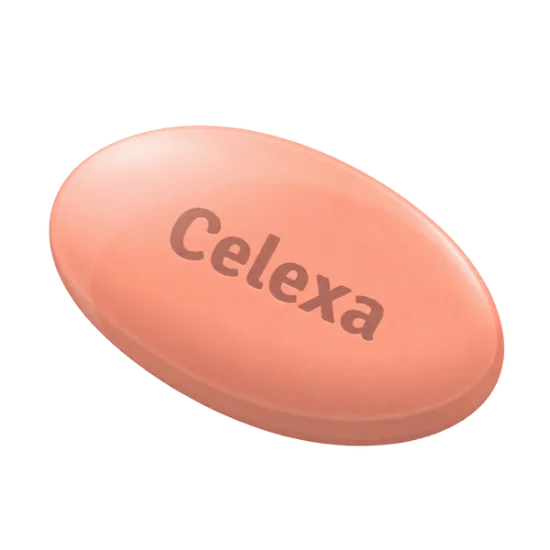
Citalopram hydrobromide is the salt form used in Celexa tablets. It delivers citalopram, the active antidepressant substance.

Dosage and administration

Celexa tablets are swallowed whole with water, once daily, with or without food. The amount per intake is set individually, taking into account age, liver function, other medicines, symptom severity, and previous response to antidepressants.

  • Take the prescribed daily dose consistently.
  • Do not take an extra tablet to compensate for a missed dose.
  • If a dose is missed, take it when remembered unless the next scheduled dose is close; then skip the missed dose.
  • Do not stop suddenly after regular use unless urgent medical symptoms require it.
  • Any reduction is usually gradual because abrupt cessation can cause dizziness, irritability, vivid dreams, tingling sensations, nausea, or a brief electric-shock feeling.
A common real-world mistake is changing the dose after one difficult week. Celexa works through sustained exposure, and irregular dosing can make both side effects and discontinuation symptoms harder to interpret.

Comparison

Celexa is one member of a larger antidepressant group. Choosing among medicines is less about finding a universal winner and more about matching the drug’s profile to symptoms, prior response, interactions, and side-effect priorities.

Active ingredient Drug class Practical distinction
Citalopram SSRI Serotonin-focused treatment; QT-related precautions matter
Escitalopram SSRI A closely related serotonin-focused option, often used for depression and anxiety
Sertraline or fluoxetine SSRI Alternatives with different interaction patterns, half-lives, and activating effects

Escitalopram is chemically related to citalopram and is often considered when a clinician wants a more selective formulation. Sertraline may be chosen when anxiety is prominent, while fluoxetine’s longer half-life can be useful for people prone to discontinuation symptoms but may be less convenient when adverse effects occur.

Paroxetine is another SSRI, though its anticholinergic effects, weight changes, sexual effects, and discontinuation symptoms can be limiting. Duloxetine belongs to the SNRI class and affects both serotonin and norepinephrine; it may be considered when depression occurs with certain chronic pain conditions. A Cochrane review found that comparative antidepressant decisions involve meaningful differences in tolerability as well as symptom response. [4]

Common mistakes

Several avoidable patterns can make Celexa feel less helpful or less tolerable:

  • Stopping after early nausea or fatigue without allowing time for adjustment.
  • Taking doses at random times, then attributing sleep disruption to the medicine alone.
  • Doubling a dose after forgetting one.
  • Combining Celexa with St. John’s wort or a new migraine, pain, or cough medicine without reviewing serotonin-related interactions.
  • Treating sexual side effects as too embarrassing to mention.
  • Stopping suddenly after months of use because symptoms feel controlled.
  • Assuming worsening restlessness, impulsivity, or suicidal thinking is something to wait out.
When another clinician prescribes an antibiotic, pain treatment, or migraine medicine, mention citalopram by name. Interaction checks are most useful before the first combined dose.

What doctors say

In clinical practice, prescribers often explain that Celexa should be judged by function, not only by mood on a single day. Better sleep, less avoidance, steadier appetite, and renewed capacity to follow through can be meaningful signs of progress. Progress can be gradual. A clinician will also ask directly about agitation, suicidal thoughts, sexual function, alcohol use, sleep quality, and any symptoms of elevated mood such as needing little sleep, racing thoughts, or unusually risky behavior. Those details can change the treatment plan. Celexa is not designed as an occasional tablet for a bad day. Its benefit depends on regular daily use and adequate time at the individualized dose.

Common questions

Can Celexa be used by people under 18?

Celexa is not FDA-approved for pediatric patients. Antidepressants can increase the risk of suicidal thoughts and behaviors in children, adolescents, and young adults, especially early in treatment or after dose changes. FDA labeling updated in 2022 carries this boxed warning, so treatment for a person under 18 requires specialist assessment and close monitoring.

Can I drive or use machinery while taking Celexa?

Celexa can cause drowsiness, dizziness, slowed reactions, or difficulty concentrating, especially when treatment begins or the dose changes. The FDA’s 2022 labeling advises assessing individual response before driving, operating machinery, or doing work where impaired attention could cause harm. Alcohol can amplify these effects. Once a person knows how citalopram affects them, many resume normal activities without impairment.

How long does a course of Celexa last, and is long-term use acceptable?

The duration depends on the condition, number of previous depressive episodes, relapse risk, and how well symptoms remain controlled. NICE guidance published in 2022 supports continuing antidepressant treatment after recovery when relapse prevention is needed, with regular review of benefit and adverse effects. Long-term use can be appropriate when the benefit remains clear, though stopping should be planned gradually rather than abruptly.

Which symptoms mean I should stop and seek urgent medical care?

Urgent assessment is needed for suicidal thoughts, self-harm urges, severe agitation, new mania-like behavior, fainting, chest palpitations, seizures, facial swelling, trouble breathing, or signs of serotonin syndrome. Serotonin syndrome may include fever, confusion, severe sweating, diarrhea, muscle stiffness, tremor, and a rapid heartbeat. The FDA’s 2012 safety communication also highlighted rhythm concerns with citalopram in people at risk of QT prolongation.

Which diet, exercise, or habits can help or hinder treatment results?

Regular meals, predictable sleep, daylight exposure, physical activity, and structured daily routines can support recovery from depression alongside Celexa. The WHO’s 2023 guidance on mental health promotion recognizes physical activity, social connection, reduced alcohol use, and sleep care as meaningful protective factors. Heavy alcohol use, missed doses, recreational drugs, and irregular sleep can worsen anxiety or depression and make it harder to judge whether treatment is helping.

Do you offer anonymous delivery?

Your order will be securely packed and shipped within 24 hours. This is exactly what your package will look like (images of an actual item sent). It has the size and look of a regular private letter (9.4x4.3x0.3 in.) and its contents cannot be seen.

Comparison

Comparison table: Antidepressants

Customer Feedback on Celexa

Lee, 60
Austin
Several months
Verified
Rating: 3 out of 5
Austin, I took Celexa daily for several months after depression started affecting my sleep and appetite. My mood felt steadier by the fourth week, though the first ten days brought mild nausea that passed without changing my routine.
Oct 12, 2026
Ryan, 49
Milwaukee
Three months
Verified
Rating: 5 out of 5
Milwaukee, I used Celexa for three months and noticed I was no longer waking up with the same heavy feeling every morning. By the second month, I had returned to regular walks and was handling work deadlines more calmly.
Oct 24, 2026
Adam, 28
Minneapolis
A little over four months
Verified
Rating: 4.5 out of 5
Minneapolis, I took Celexa every morning for a little over four months. It took a few weeks to feel different, then I realized I was making plans again instead of cancelling them.
Oct 27, 2026
Matthew P., 49
Jacksonville
Verified
Rating: 2.5 out of 5
Jacksonville, I stopped Celexa after persistent insomnia and feeling too restless to focus at work. I contacted my prescriber after the symptoms continued, and we discussed a different approach.
Nov 4, 2026
Kevin, 43
Phoenix
Five months
Verified
Rating: 5 out of 5
Phoenix, I used Celexa consistently for five months during a period when anxiety and low mood were affecting my family life. I felt more even-tempered and was able to enjoy ordinary weekends again.
Nov 8, 2026

Sources

  1. FDA (Food and Drug Administration) (2022). Celexa (citalopram hydrobromide) Prescribing Information.
  2. NICE (2022). Depression in adults: treatment and management.
  3. FDA (Food and Drug Administration) (2012). Revised recommendations for Celexa related to a potential risk of abnormal heart rhythms with high doses.
  4. Cochrane (2012). Citalopram versus other antidepressants for depression.
Get our free app Shop faster and track your orders 4.0 · 266 reviews Install