Skip to content
Save up to 80% Fast & Discrete Delivery
Careprost bottle
Quality products
Fast & Discrete Delivery
Money-back guarantee

Careprost bottle

4.5 (4 customer reviews)
Delivery: 4-7 business days
Payment
24/7 Support
Active ingredient: Bimatoprost

Free bonus tablets with every order: 4 on any order, 8 over $112.00, 12 over $222.88, 16 over $334.88

256-bit SSL
Certified pharmacy
Money-back guarantee

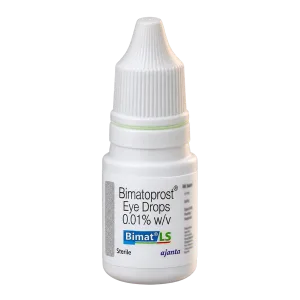
Adults with elevated intraocular pressure from open-angle glaucoma or ocular hypertension, and people with inadequate eyelash growth, may use Careprost bottle under clinician-directed care. It contains bimatoprost, a prostamide analog that improves aqueous humor outflow from the eye and can extend the active growth phase of eyelashes.

Overview

Adults with elevated intraocular pressure from open-angle glaucoma or ocular hypertension, and people with inadequate eyelash growth, may use Careprost bottle under clinician-directed care. It contains bimatoprost, a prostamide analog that improves aqueous humor outflow from the eye and can extend the active growth phase of eyelashes.

Therapeutic indications

Glaucoma is a group of conditions in which optic-nerve damage can gradually reduce vision. Ocular hypertension means the pressure inside the eye is higher than normal, even when optic-nerve damage has not yet been detected. Bimatoprost helps lower this pressure by increasing fluid drainage through the uveoscleral pathway and, to a lesser degree, conventional drainage pathways.

Raised eye pressure does not usually hurt. Vision can remain apparently normal while damage progresses.

The clinical role of Careprost bottle includes:

  • lowering elevated intraocular pressure in open-angle glaucoma;
  • lowering pressure in ocular hypertension;
  • supporting long-term pressure control where bimatoprost is clinically selected;
  • helping protect the optic nerve by reducing one major modifiable glaucoma risk factor.

The European Medicines Agency describes bimatoprost-containing ophthalmic therapy as pressure-lowering treatment for adults with open-angle glaucoma or ocular hypertension. [2] Pressure reduction does not restore vision already lost to glaucoma, which is why consistent use and scheduled eye-pressure monitoring matter.

If Careprost bottle is used for eye pressure, one missed application should not be compensated for with extra drops. Resume the next scheduled application; repeated extra dosing can increase irritation without improving control.

Eyelash Enhancement and Hypotrichosis Treatment

Hypotrichosis means inadequate or sparse eyelash growth. Bimatoprost can promote eyelash growth by keeping follicles in the growth phase longer and increasing the proportion of follicles producing visible lashes. The FDA-approved bimatoprost indication for eyelash hypotrichosis is based on this mechanism. [3]

The eyelash effect develops gradually. Lashes do not all grow at the same speed, and the visible change depends on baseline density, follicle response, and regular application. Benefits can fade after treatment stops because the follicles return to their usual growth cycle.

Bimatoprost can also darken eyelid skin or promote hair growth where the solution repeatedly contacts surrounding skin. Application must stay limited to the upper eyelid margin when used for eyelash growth. Do not apply it to the lower eyelid.

For eyelash use, apply the smallest clinician-directed amount to a single-use sterile applicator and trace only the upper lash line. Wipe away excess liquid immediately rather than spreading it across the eyelid.
How it affects the body

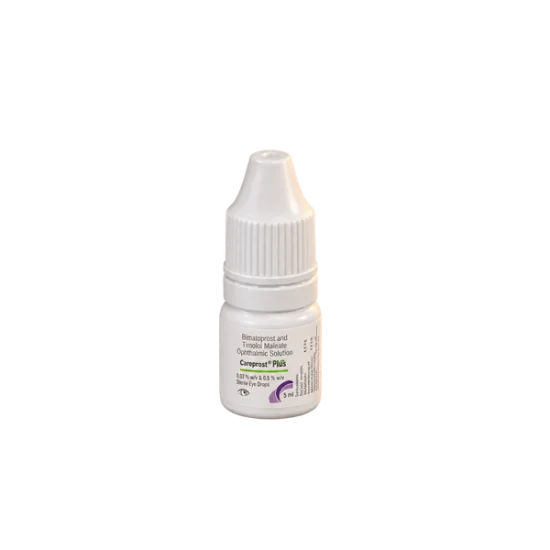
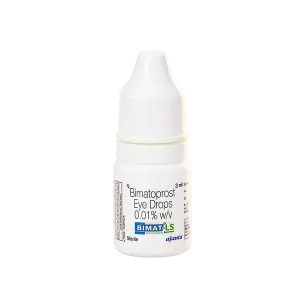
Bimatoprost is a prostamide analog that lowers intraocular pressure by increasing aqueous-humor outflow through the uveoscleral pathway and, to a lesser degree, conventional drainage pathways. In eyelash follicles, it promotes growth by extending the active growth phase and increasing the proportion of follicles producing visible lashes.

Reasons not to use it

  • active eye infection, conjunctivitis, or untreated eyelid inflammation;
  • uveitis or a past history of eye inflammation;
  • macular edema, especially after certain eye operations or in people with risk factors for retinal swelling;
  • aphakia or a torn posterior lens capsule;
  • severe dry eye or significant corneal disease;
  • pregnancy or breastfeeding, where use requires an individual medical assessment;
  • use of other glaucoma drops, because the combined regimen can alter pressure control and side-effect risk.

When this is not for you

Careprost bottle is not for you if you have had a serious allergy to bimatoprost or another ingredient in the solution. Symptoms of allergy can include eyelid swelling, hives, facial swelling, breathing difficulty, or severe eye irritation.

Bimatoprost should be discussed before use if you have had cataract surgery, retinal disease, or recurrent herpes simplex eye disease. A change in vision, severe eye pain, halos around lights, or a sudden headache with nausea needs urgent assessment rather than another application.

Possible side effects

Careprost bottle can cause local eye and eyelid effects. Conjunctival hyperemia, often described as red eyes, is among the more common reactions to bimatoprost. Itching, dryness, burning, stinging, eyelid redness, blurred vision soon after use, and a foreign-body sensation can also occur.

Some effects need more attention because they may persist:

  • Iris pigmentation: gradual brown darkening of the colored part of the eye may be permanent, especially in mixed-color irises.
  • Eyelid and skin pigmentation: darkening of nearby skin may lessen after stopping, though it can persist.
  • Periorbital fat atrophy: deepening of the upper eyelid sulcus or a more hollow appearance around the eye may occur with prostaglandin-related drops.
  • Eyelash changes: longer or denser lashes can occur, along with localized hair growth on skin repeatedly exposed to solution.
  • Inflammatory reactions: conjunctivitis, blepharitis, eye pain, light sensitivity, or swelling need clinical assessment.

The FDA label also lists iris color change and eyelash changes among recognized bimatoprost effects. [4] Dizziness and insomnia are not typical local reactions, yet new systemic symptoms that follow repeated use still merit clinical review.

A brief sting after application can occur. Persistent pain, worsening redness, discharge, or a meaningful change in vision is different and should not be treated as routine irritation.

Formulation

Careprost bottle contains bimatoprost ophthalmic solution. Bimatoprost is a synthetic prostamide analog, a medicine class that acts on pathways involved in fluid drainage from the eye and hair-follicle cycling.

Role of Bimatoprost Ophthalmic Solution

Bimatoprost increases the outflow of aqueous humor, the clear fluid continually produced inside the eye. Lower pressure reduces strain on the optic nerve, the structure that carries visual signals to the brain. The FDA describes bimatoprost as a prostaglandin-related ophthalmic agent for lowering raised intraocular pressure in open-angle glaucoma and ocular hypertension. [1]

Keep the bottle tip away from fingers, eyelashes, skin, and any surface. A contaminated tip can transfer bacteria into the solution and raise the risk of an eye infection.

Dosage and administration

  • Dose: Use the clinician-directed amount; no fixed dose in mg or mL is established for this product.
  • Frequency: Apply at the frequency prescribed for the intended use; do not use extra solution.
  • Timing: Use at the scheduled time of day. Meal timing is not applicable to ophthalmic or eyelid-margin application.
  • Duration: Continue for the duration directed by the clinician.
  • Route for eye-pressure treatment: Apply the prescribed amount as an ophthalmic solution into the affected eye or eyes.
  • Route for eyelash hypotrichosis: Apply the clinician-directed amount along the upper eyelid margin with a fresh sterile applicator; these routes are not interchangeable.
  • Eye application: Wash and dry your hands, remove contact lenses, tilt your head back, pull down the lower lid, and avoid touching the dropper tip to the eye.
  • Eyelash application: Wash and dry your hands, use a fresh sterile applicator for each eyelid, apply a thin line at the base of the upper lashes only, and blot excess from the surrounding skin.
  • After application: Close the eye gently. Do not share the bottle or applicators, and do not rinse the dropper tip.

Comparison

Bimatoprost is one option within pressure-lowering eye therapy. The choice depends on baseline pressure, optic-nerve findings, existing eye disease, lens use, previous treatment response, and tolerability.

Treatment approach Main mechanism Key practical distinction
Bimatoprost ophthalmic therapy Increases aqueous-humor outflow Can lower eye pressure and may alter lashes, eyelid skin, or iris color
Beta-blocker eye drops Reduces aqueous-humor production May be unsuitable with asthma, slow heart rate, or certain cardiac conditions
Alpha-agonist eye drops Reduces production and increases outflow Can cause fatigue, dry mouth, and allergic eye reactions

For eyelash hypotrichosis, bimatoprost is distinct from cosmetic conditioners because it modifies follicle cycling rather than coating the lash shaft. That mechanism can produce visible growth, though it also explains why disciplined placement matters. The American Academy of Ophthalmology recognizes prostaglandin analogs as major first-line options for lowering intraocular pressure in many patients with glaucoma. [5]

Common mistakes

  • Applying extra solution after a missed use.
  • Allowing the dropper tip to touch the eye, lashes, hands, or bathroom counter.
  • Using the same applicator for both eyelids when applying along the lash line.
  • Applying solution to the lower eyelid, cheeks, or eyebrows.
  • Reinserting soft contact lenses immediately after eye application.
  • Stopping glaucoma treatment because the eye feels normal, despite raised pressure often causing no symptoms.
  • Ignoring gradual iris darkening or a hollowing change around the eyes.
If a drop lands on the cheek or eyelid skin, blot it with clean tissue rather than rubbing. Repeated skin exposure is what can trigger unwanted local hair growth and pigmentation.

What doctors say

In ophthalmology practice, the treatment target is not simply a lower pressure reading. Clinicians look for stable optic-nerve appearance, visual-field results, corneal health, and a regimen the person can follow consistently.

For eyelash hypotrichosis, clinicians usually focus on precise placement and realistic expectations. Visible lash change is gradual, and more product does not create a better result. The trade-off is clear: bimatoprost can improve lash prominence, yet pigmentation changes and periorbital changes are possible.

A useful review visit includes discussion of eye redness, lens tolerance, changes in eye color, eyelid appearance, and any use of other eye medicines. These details often influence whether bimatoprost remains the right option.

Common questions

How long does one Careprost bottle application keep working?

For eye-pressure treatment, bimatoprost is designed to support pressure control across the prescribed dosing interval, which is why regular timing matters. The pressure-lowering effect is not a permanent change after one use. For eyelash growth, each application supports follicle cycling, while visible results build gradually over repeated use. FDA prescribing information published in 2023 describes bimatoprost as a regularly used ophthalmic treatment rather than an occasional rescue drop.

How should Careprost bottle be stored at home and while traveling?

Keep Careprost bottle closed tightly and protected from excessive heat, direct sunlight, and contamination. Store it where children cannot access it, and avoid leaving it in a hot vehicle or a humid area beside a shower. During travel, keep the bottle upright in a clean protective case and avoid sharing it with anyone. WHO guidance updated in 2024 emphasizes that correct storage helps preserve medicine quality and reduces avoidable contamination. The FDA label from 2023 also advises following the product's storage instructions.

Can Careprost bottle cause permanent eye-color change?

Yes. Bimatoprost can gradually increase brown pigment in the iris, causing a darker eye color that may be permanent. The change tends to occur slowly and may be more visible in hazel, green-brown, blue-brown, or gray-brown irises. Eyelid skin darkening may improve after stopping, while iris pigmentation can remain. The FDA identifies increased iris pigmentation as a recognized bimatoprost adverse reaction in its 2023 prescribing information.

Which symptoms mean I should stop and seek urgent medical care?

Stop using Careprost bottle and seek urgent eye care for sudden vision loss, severe eye pain, marked swelling, light sensitivity, pus-like discharge, facial swelling, or breathing difficulty. A severe headache with nausea and colored halos around lights also needs urgent assessment because it may signal an acute eye-pressure problem. Mild brief stinging is different from escalating pain or rapidly worsening redness. The American Academy of Ophthalmology stated in 2024 that acute visual symptoms require prompt examination to protect sight.

Which habits can help or hinder the result?

Regular use at the clinician-directed time supports stable eye-pressure control and consistent eyelash exposure. Clean hands, a clean bottle tip, and removal of contact lenses before ocular use help reduce irritation and contamination. Smoking does not directly cancel bimatoprost’s action, though it can worsen ocular-surface dryness and eye irritation. The National Eye Institute advised in 2024 that glaucoma care also benefits from attending eye appointments and using prescribed drops consistently.

What should I discuss with a doctor before starting Careprost bottle?

Discuss glaucoma status, current eye-pressure readings, past eye surgery, dry eye, uveitis, retinal disease, and any history of macular edema. List all eye drops and systemic medicines, since combined ophthalmic regimens can change pressure response or increase surface irritation. Mention contact lens use and pregnancy or breastfeeding. EMA clinical information from 2023 for bimatoprost supports individualized assessment in people with inflammatory eye disease or risk factors for macular edema.

How long can a course last, and is long-term use acceptable?

For glaucoma or ocular hypertension, bimatoprost may be used long term when eye pressure, optic-nerve status, and tolerability are monitored. For eyelash hypotrichosis, continued use may be needed to maintain the growth effect because lashes gradually return toward their prior pattern after treatment stops. Long-term use requires attention to pigmentation, eyelid changes, and ocular-surface comfort. A 2023 FDA label for bimatoprost supports ongoing use within a clinician-managed treatment plan.

Do you offer anonymous delivery?

Your order will be securely packed and shipped within 24 hours. This is exactly what your package will look like (images of an actual item sent). It has the size and look of a regular private letter (9.4x4.3x0.3 in.) and its contents cannot be seen.

Comparison

Comparison table: Eyelash Growth

Customer Feedback on Careprost bottle

Victoria, 63
Minneapolis
Several months
Verified
Rating: 3.5 out of 5
I used one drop of Careprost bottle each evening as part of my eye-pressure routine for several months. The pressure readings improved, but my eyes looked red during the first few weeks and I had to be more careful with my contact lenses. The redness eased, and the routine became manageable once I used it at the same time each evening.
Oct 12, 2026
Nicola, 31
Chicago
Several weeks
Verified
Rating: 5 out of 5
I applied one clinician-directed amount of Careprost bottle carefully along my upper lash line each evening for several weeks. My lashes looked fuller and darker, especially near the outer corners, and the change was gradual enough to look natural. I was pleased with the result.
Oct 23, 2026
Amanda, 38
Jacksonville
Verified
Rating: 5 out of 5
I applied one clinician-directed amount of Careprost bottle consistently as directed and began noticing longer lashes after a steady routine. Mascara went on more easily because the lashes were already more visible. I was happy with the improvement.
Oct 29, 2026
Ruth, 45
Tampa
Verified
Rating: 4.5 out of 5
I applied one clinician-directed amount of Careprost bottle on the upper lash line each evening and saw a clear increase in lash length over time. The result looked most noticeable after I kept the application precise and regular. I was satisfied with the change.
Nov 9, 2026

Sources

  1. FDA (Food and Drug Administration) (2023). LUMIGAN (bimatoprost ophthalmic solution) prescribing information.
  2. EMA (European Medicines Agency) (2023). Bimatoprost/Timolol Summary of Product Characteristics.
  3. FDA (Food and Drug Administration) (2023). LATISSE (bimatoprost ophthalmic solution) prescribing information.
  4. FDA (Food and Drug Administration) (2023). Bimatoprost ophthalmic solution: adverse reactions and warnings.
  5. American Academy of Ophthalmology (2023). Primary Open-Angle Glaucoma Preferred Practice Pattern.
Get our free app Shop faster and track your orders 4.0 · 266 reviews Install