Skip to content
Save up to 80% Fast & Discrete Delivery
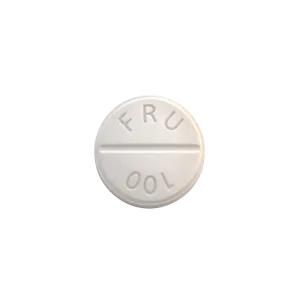
Frusenex
Quality products
Fast & Discrete Delivery
Money-back guarantee

Frusenex

3.9 (4 customer reviews)
Delivery: 4-7 business days
Payment
24/7 Support
Active ingredient: Furosemide

Free bonus tablets with every order: 4 on any order, 8 over $112.00, 12 over $222.88, 16 over $334.88

256-bit SSL
Certified pharmacy
Money-back guarantee

It is used in adults with fluid retention linked to heart, liver, or kidney disease and may also support blood-pressure control. By reducing excess circulating fluid, it can ease swelling and breathlessness caused by congestion.

Overview

Frusenex contains furosemide, also called frusemide, a potent loop diuretic. It works in the kidneys rather than directly on the heart or blood vessels. The result is increased urine output and less retained fluid in body tissues.

Therapeutic indications

Frusenex is used when the body is retaining more fluid than it can clear on its own. Edema means visible or internal swelling caused by fluid collecting between cells. The tablet reduces this excess volume; it does not correct the underlying heart, liver, or kidney condition.

Condition Why fluid accumulates Clinical objective
Heart failure Reduced pumping ability causes fluid to back up into tissues or lungs Ease swelling, congestion, and shortness of breath
Liver cirrhosis Changes in blood flow and protein balance promote abdominal fluid retention Reduce edema and ascites
Kidney impairment or nephrotic conditions Sodium and water clearance may be reduced Control fluid overload while monitoring kidney function
High blood pressure Excess circulating volume may contribute to elevated pressure Support blood-pressure reduction, often with other treatment

For heart failure, removing excess fluid can make breathing easier and reduce pressure-related strain on the heart. With liver disease, the target may be swollen legs or ascites, which is fluid in the abdomen. In kidney disease, response can vary because kidney filtration may already be reduced. Clinicians therefore match the dose to the cause and treatment response. Monitoring helps distinguish useful fluid removal from excessive loss.

Frusenex can also be prescribed for hypertension. It is usually selected when fluid retention is part of the blood-pressure problem or when another clinical reason for a loop diuretic exists. NICE guidance on chronic heart failure includes diuretic treatment for relief of congestion and careful adjustment according to symptoms and clinical status. [1]

A sudden increase in body weight, tighter shoes, or a belt that no longer fits can reflect returning fluid retention before swelling becomes dramatic.

How it affects the body

It works in the kidneys rather than directly on the heart or blood vessels. Furosemide blocks reabsorption of sodium and chloride in the thick ascending limb of the loop of Henle, a section of the kidney’s filtering system. Water follows sodium, so more salt and fluid leave the body in urine. This is why Frusenex can reduce ankle swelling, abdominal fluid buildup, and congestion in the lungs.

Reasons not to use it

Anuria, meaning the kidneys are producing no urine, is a contraindication. A known serious hypersensitivity to furosemide is also a contraindication. Severe sodium, potassium, or fluid depletion must be corrected before therapy is started. People with hepatic coma or pre-coma need specialist management.

Lithium levels can rise to toxic ranges when combined with furosemide. Nonsteroidal anti-inflammatory drugs, such as ibuprofen or naproxen, can weaken the diuretic response and may strain kidney function in susceptible people. Digoxin toxicity becomes more likely when potassium is low. Medicines that lower blood pressure may intensify dizziness or fainting.

When this is not for you

This medicine may not be suitable if your kidneys are producing no urine or if you have had a serious allergic reaction to furosemide. Tell your clinician if you have diabetes, gout or high uric acid, an enlarged prostate or urinary obstruction, severe liver disease, kidney impairment, hearing problems, or if you are older and at risk of dehydration or falls. Extra care may be needed if you take lithium, ibuprofen, naproxen, digoxin, or medicines that lower blood pressure.

Possible side effects

Frusenex changes fluid and electrolyte balance. Mild effects can occur as the body adapts, while more serious symptoms may indicate excessive diuresis or a clinically significant electrolyte disturbance.

Commonly reported effects include:

  • More frequent urination
  • Thirst or dry mouth
  • Dizziness, especially when standing
  • Headache
  • Tiredness or drowsiness
  • Muscle cramps
  • Nausea or stomach discomfort

Dizziness after standing can occur when blood pressure drops too far or fluid loss is greater than needed. Hypokalemia means low potassium, which may cause weakness, cramps, palpitations, constipation, or unusual fatigue. Low sodium, low magnesium, dehydration, and increased uric acid can also occur.

Seek urgent medical assessment for fainting, confusion, severe weakness, a very irregular heartbeat, markedly reduced urination, severe rash, sudden hearing changes, seizures, or convulsions. These symptoms need prompt evaluation because they may reflect a major electrolyte problem, severe dehydration, or a rare serious reaction.

Stand up slowly from bed or a chair during the first days of treatment or after a dose change. Lightheadedness is often most noticeable after a hot shower, alcohol use, or poor fluid intake.

Formulation

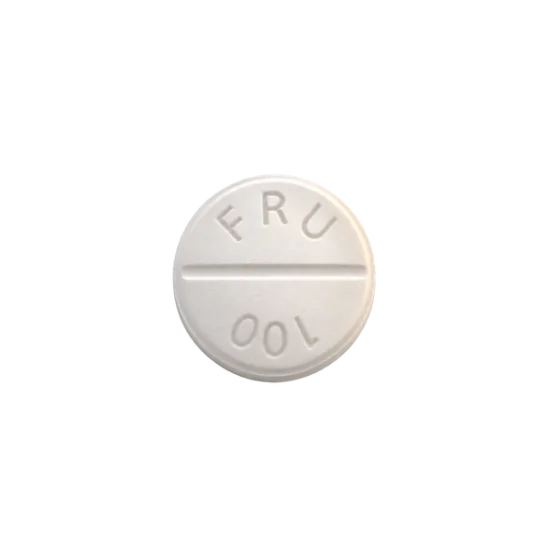
Frusenex contains furosemide, also called frusemide, a potent loop diuretic. It acts in the kidneys to increase urine output and help remove excess fluid retained in body tissues.

Dosage and administration

Frusenex is taken by mouth according to an individualized regimen. The chosen strength and schedule must be confirmed with a healthcare professional before starting, since kidney function, blood pressure, the reason for treatment, and other medicines all affect the right plan.

  • Take the prescribed tablet dose at the same time each day.
  • Morning use is often more practical because urine output can increase soon after the dose.
  • If a second daily dose is prescribed, it is commonly scheduled early enough to avoid repeated nighttime urination.
  • Swallow the tablet with water. It may be taken with food if stomach upset occurs.
  • If a dose is missed, take it when remembered unless the next scheduled dose is close. Do not take two doses together.
  • Taking extra tablets to reduce swelling faster can cause dangerous dehydration, low blood pressure, and electrolyte loss.

A common mistake is taking Frusenex late in the day, then assuming the medicine is causing insomnia. In many cases, the issue is simply repeated nighttime trips to urinate. Another mistake is stopping treatment as soon as ankle swelling improves; fluid can return when the underlying condition remains active.

Keep a simple morning record of weight, swelling, breathlessness, and blood-pressure readings if these are part of your care plan. A change over several days is more useful than one isolated measurement.

Comparison

Frusenex uses furosemide, also known as frusemide. Generic furosemide has the same active substance and works through the same kidney transport mechanism. A clinician may select another loop diuretic when duration of action, response, kidney function, or individual tolerability calls for a different approach.

Medicine or approach Main distinction Typical clinical role
Furosemide / frusemide Loop diuretic with a relatively rapid diuretic effect Edema from heart, liver, or kidney disease
Torsemide Loop diuretic with a longer and more predictable effect in some patients Ongoing fluid management, including heart failure
Bumetanide Potent loop diuretic used in smaller tablet amounts Fluid overload when an alternative loop diuretic is selected

Thiazide-type diuretics act at a different part of the kidney and are often used for hypertension. They are not interchangeable with loop diuretics for significant edema. In resistant fluid retention, clinicians may combine diuretic classes, but this raises the need for close electrolyte and kidney monitoring.

Kidney Disease: Improving Global Outcomes guidance emphasizes blood-pressure control, review of fluid status, and individualized medicine selection for people with chronic kidney disease. [2]

Common mistakes

  • Taking an unscheduled extra tablet after a salty meal or a day of swelling.
  • Using the medicine for short-term weight loss rather than treatment of a diagnosed fluid problem.
  • Drinking alcohol when already dizzy, dehydrated, or unwell.
  • Starting an anti-inflammatory pain medicine without considering its effect on blood pressure, kidneys, and diuretic response.
  • Ignoring persistent cramps, palpitations, or profound weakness.
  • Restricting fluids aggressively without individualized instructions.
  • Assuming less urination always means the tablet has stopped working, rather than considering worsening kidney function or dehydration.
If vomiting, diarrhea, fever, or very poor food and fluid intake develops, the risk of dehydration rises. Contact the clinician managing Frusenex for specific instructions rather than automatically continuing or doubling doses.

What doctors say

In clinical practice, doctors often look beyond visible ankle swelling. Breathlessness when lying flat, rapid weight change, reduced exercise tolerance, blood pressure, urine output, and recent kidney blood tests can all guide adjustment of a diuretic plan.

Frusenex can produce a clear symptomatic benefit when congestion is the problem. It also has limits. If swelling comes from a blood clot, lymphatic disease, severe venous insufficiency, or a medication reaction, simply increasing a diuretic may not solve the cause.

A useful clinical distinction is between “dry weight” and dehydration. Dry weight is the stable weight after excess fluid has been removed. Dehydration is too much fluid loss, often accompanied by dizziness, thirst, low blood pressure, weakness, or worsening kidney test results.

Common questions

How should Frusenex be stored at home and while traveling?

Keep Frusenex in a dry place at controlled room temperature, away from bathroom humidity, direct sunlight, and areas accessible to children. During travel, keep tablets in a secure container protected from extreme heat and moisture rather than leaving them in a parked car. FDA medication-storage guidance published in 2024 advises keeping medicines in their original dispensing container when possible so treatment instructions remain associated with the medicine.

Can Frusenex be used during pregnancy or breastfeeding?

Furosemide crosses the placenta and may affect maternal blood volume, so use during pregnancy requires a clear clinical reason and individualized supervision. It may pass into breast milk and can reduce milk production in some circumstances. The FDA’s furosemide prescribing information, revised in 2012, advises weighing maternal benefit against potential fetal or infant risk before treatment is used during pregnancy or lactation.

Which diet, exercise, and habits support the result of Frusenex?

Sodium intake strongly affects fluid retention, so a clinician-recommended lower-sodium eating pattern can help reduce recurrent swelling. Gentle activity, when medically appropriate, can support circulation, while prolonged sitting may worsen lower-leg edema. NICE guidance from 2018 supports individualized self-management in heart failure, including attention to symptoms, activity, weight trends, and dietary advice.

How long does one Frusenex dose keep working?

Oral furosemide commonly begins increasing urine output within about an hour, and the visible diuretic effect may last for several hours. The duration varies with kidney function, food intake, dose timing, and severity of fluid retention. The FDA describes furosemide as a rapid-acting diuretic in its 2012 prescribing information, which is why late dosing may disrupt sleep.

Can Frusenex be combined with NSAID pain medicines or supplements?

NSAIDs such as ibuprofen and naproxen can reduce kidney blood flow and lessen the diuretic effect of furosemide. They can also increase kidney risk in people who are dehydrated, have heart failure, or have chronic kidney disease. The 2024 KDIGO guideline identifies NSAIDs as medicines requiring careful review in chronic kidney disease, especially when fluid balance and kidney perfusion are concerns.

How long does a Frusenex course last, and is long-term use acceptable?

The duration depends on the condition being treated. Some people need short-term relief of fluid overload, while others use a loop diuretic as part of long-term heart, liver, or kidney disease management. Long-term use can be appropriate when it remains clinically necessary, though periodic review of blood pressure, kidney function, sodium, potassium, and symptoms is needed; the WHO included furosemide in its 2023 Model List of Essential Medicines for established clinical use.

Do you offer anonymous delivery?

Your order will be securely packed and shipped within 24 hours. This is exactly what your package will look like (images of an actual item sent). It has the size and look of a regular private letter (9.4x4.3x0.3 in.) and its contents cannot be seen.

Comparison

Comparison table: Hypertension

Storage and travel

Keep Frusenex in a dry place at controlled room temperature, away from bathroom humidity, direct sunlight, and areas accessible to children. During travel, keep tablets in a secure container protected from extreme heat and moisture rather than leaving them in a parked car. FDA medication-storage guidance published in 2024 advises keeping medicines in their original dispensing container when possible so treatment instructions remain associated with the medicine.

Customer Feedback on Frusenex

Jack, 36
Baltimore
Verified
Rating: 4.5 out of 5
I used Frusenex for swelling that built up around my ankles after a heart-related fluid issue. The change was clear within the first day: my shoes fit normally again, and walking upstairs felt easier. I kept to the same morning routine and was satisfied with how predictable the effect became.
Nov 15, 2026
Matthew R., 26
New York
Verified
Rating: 4 out of 5
I took Frusenex as part of a plan for fluid retention connected with kidney treatment. My hands felt less puffy after the first few doses, and I stopped waking up feeling swollen. Taking it early became part of my weekday routine.
Oct 18, 2026
Ryan, 54
Chicago
Verified
Rating: 4 out of 5
I had abdominal bloating and leg swelling related to liver disease, and Frusenex helped reduce both. After several days, I could fasten my work boots comfortably and breathe more easily when walking across a parking lot. The improvement felt practical rather than dramatic.
Nov 4, 2026
Richard, 41
Tampa
The first week
Verified
Rating: 3 out of 5
Frusenex reduced the swelling in my feet, but I felt lightheaded when I stood up quickly during the first week. I spoke with my doctor, who reviewed my other blood-pressure medicine and arranged blood tests. The benefit was real, though the timing and fluid balance took some adjustment.
Oct 24, 2026

Sources

  1. National Institute for Health and Care Excellence (2018). Chronic heart failure in adults: diagnosis and management (NG106).
  2. Kidney Disease: Improving Global Outcomes (2024). KDIGO 2024 Clinical Practice Guideline for the Evaluation and Management of Chronic Kidney Disease.
Get our free app Shop faster and track your orders 4.0 · 266 reviews Install