Skip to content
Save up to 80% Fast & Discrete Delivery
Altace
Quality products
Fast & Discrete Delivery
Money-back guarantee

Altace

4 (3 customer reviews)
Delivery: 4-7 business days
Payment
24/7 Support
Active ingredient: Ramipril

Free bonus tablets with every order: 4 on any order, 8 over $112.00, 12 over $222.88, 16 over $334.88

256-bit SSL
Certified pharmacy
Money-back guarantee

Altace contains ramipril, an ACE inhibitor for people with hypertension and selected cardiovascular-risk indications. It lowers the effects of angiotensin II, helping blood vessels relax and reducing the heart’s workload.

Overview

Altace is a prescription treatment containing ramipril. It belongs to the angiotensin-converting enzyme inhibitor class, often shortened to ACE inhibitors.

Therapeutic indications

These medicines are used to lower blood pressure and may be prescribed after myocardial infarction or for people with cardiovascular risk factors, depending on their clinical history. FDA prescribing information also includes heart-failure use following heart attack in appropriate patients. [1]

How it affects the body

The renin-angiotensin-aldosterone system helps regulate blood pressure and fluid balance. When blood flow to the kidneys falls, the kidneys release renin. Renin begins a sequence that converts angiotensinogen to angiotensin I, which angiotensin-converting enzyme then converts to angiotensin II.

Ramipril limits this conversion. Less angiotensin II means less vessel tightening and less aldosterone-driven sodium retention. Blood pressure can then fall, while the heart pumps against lower resistance.

ACE also breaks down bradykinin, a substance that can widen blood vessels. ACE inhibition raises bradykinin levels, which may add to the blood-pressure effect. This same mechanism helps explain the dry cough some people develop during treatment.

The World Health Organization identifies raised blood pressure as a major modifiable contributor to cardiovascular disease, making consistent long-term control clinically meaningful. [2]

A dry cough from an ACE inhibitor often feels persistent and tickly rather than like a chest infection. Do not self-treat it with repeated cough remedies for weeks; report the pattern so the prescriber can decide whether ramipril remains the best fit.

Reasons not to use it

Altace is not for you if you have had angioedema linked to an ACE inhibitor, have a known ramipril allergy, or are pregnant. ACE inhibitors can harm fetal kidney development and must be stopped immediately if pregnancy occurs.

Avoid Altace with aliskiren if you have diabetes. Do not use it within 36 hours of sacubitril/valsartan because the combination raises angioedema risk.

Extra caution is needed with:

  • Potassium supplements and potassium-containing salt substitutes.
  • Potassium-sparing diuretics such as spironolactone, eplerenone, amiloride, or triamterene.
  • Nonsteroidal anti-inflammatory drugs such as ibuprofen or naproxen.
  • Lithium, because ramipril may increase lithium concentrations.
  • Diuretics, which can intensify first-dose blood-pressure reduction.
  • Medicines that lower blood pressure, including some alpha-blockers and nitrates.

People with bilateral renal artery stenosis, severe kidney impairment, significant dehydration, or advanced liver disease need individualized prescribing and monitoring. Ramipril may be appropriate in kidney disease, yet the starting plan and laboratory follow-up require closer attention.

When this is not for you

Do not use Altace if you have ever developed swelling from an ACE inhibitor, are allergic to ramipril, or are pregnant. Tell a clinician before treatment if you have diabetes, kidney problems, dehydration, or take medicines or supplements that raise potassium.

Possible side effects

Most people tolerate ramipril without major difficulty, though side effects are possible. Dizziness, fatigue, headache, low blood pressure, and a persistent dry cough are among the more commonly reported reactions. The risk of feeling faint is greater after dehydration, heavy alcohol intake, vomiting, diarrhea, or a diuretic-related fluid loss.

Some reactions need prompt medical assessment:

  • Swelling of the lips, tongue, face, throat, or difficulty breathing may indicate angioedema.
  • Fainting, marked weakness, or very low blood pressure can require urgent review.
  • Reduced urination, sudden swelling, or unusual fatigue can signal impaired kidney function.
  • Muscle weakness, tingling, palpitations, or an irregular heartbeat may occur with high potassium.
  • Yellowing of the skin or eyes requires urgent evaluation.

Angioedema is uncommon but can become dangerous quickly because swelling can affect the airway. People with a previous ACE inhibitor-related angioedema should not use Altace.

Kidney function and potassium are often checked after initiation or dose changes. This is not bureaucratic monitoring. Ramipril changes kidney blood-flow dynamics, which is beneficial in many settings but may expose reduced kidney reserve in vulnerable people.

Do not assume dizziness always means the capsule is unsuitable. Record the blood-pressure reading, when symptoms occurred, fluid intake, and any recent stomach illness. Those details help distinguish low pressure from dehydration or another cause.
Formulation

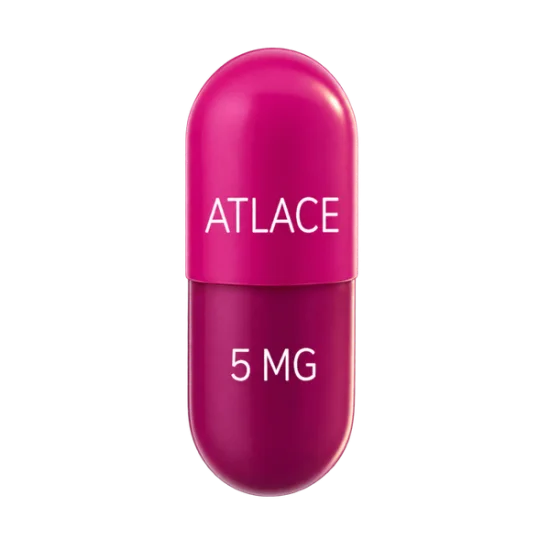
Altace contains ramipril as its active ingredient. Ramipril belongs to the angiotensin-converting enzyme inhibitor class and is provided as an oral capsule. The exact strength is selected according to the treatment purpose and agreed with a doctor or pharmacist.

Dosage and administration

Altace is taken orally as a capsule. The amount used and how often it is taken depend on the reason for treatment and are agreed with a doctor or pharmacist. Prescribers commonly begin cautiously and adjust treatment after reviewing blood pressure, kidney function, potassium, and tolerability.

Use the prescribed schedule consistently:

  • Swallow the capsule whole with water.
  • Take it at the same time each day to reduce missed doses.
  • It may be taken with or without food.
  • If a dose is missed, take it when remembered unless the next planned dose is close.
  • Do not double the next dose to make up for a missed capsule.
  • Keep scheduled blood-pressure and laboratory monitoring appointments.

A first dose or a dose increase can cause light-headedness, especially in people who are dehydrated, use a diuretic, have diarrhea, or have been vomiting. Rise slowly from bed or a chair during the first days after a treatment change.

If blood tests are scheduled after starting or changing Altace, avoid beginning potassium supplements or salt substitutes containing potassium beforehand unless they were specifically prescribed. A salt substitute can look harmless while adding a meaningful potassium load.

Comparison

Altace and FDA-approved generic ramipril products contain the same active ingredient. Generic products must meet FDA standards for pharmaceutical quality and bioequivalence, meaning they deliver ramipril into the body within an accepted range compared with the reference medicine.

Inactive ingredients may differ. That difference can matter to a person with a known sensitivity to a coloring agent or other excipient, though it does not change ramipril’s intended pharmacologic effect.

Option Active approach Clinical consideration
Altace Ramipril ACE inhibition Used when ramipril is selected for blood-pressure or cardiovascular indications
Generic ramipril Ramipril ACE inhibition Same active substance; inactive ingredients may differ
Angiotensin receptor blocker Blocks angiotensin II receptors Often considered when ACE inhibitor cough prevents continued ACE inhibitor use

The National Institute for Health and Care Excellence includes ACE inhibitors and angiotensin receptor blockers among established antihypertensive options, selected according to age, ethnicity, kidney disease, pregnancy potential, and individual tolerability. [3]

Common mistakes

  • Stopping Altace after a few normal blood-pressure readings.
  • Taking an extra capsule after a missed dose.
  • Using potassium salt substitutes without mentioning them.
  • Taking frequent ibuprofen or naproxen for pain without reviewing kidney and blood-pressure effects.
  • Measuring blood pressure immediately after exercise, caffeine, smoking, or an argument.
  • Ignoring a new persistent dry cough because it seems minor.
  • Continuing treatment during severe vomiting or diarrhea without seeking individualized advice.

One detail patients often miss is that dehydration changes the risk profile. A stomach illness, intense heat exposure, or poor fluid intake can turn a previously well-tolerated regimen into a cause of symptomatic low blood pressure.

For a reliable home reading, sit with both feet on the floor, keep the cuffed arm supported at heart level, and avoid talking during the measurement. Repeat the reading after a short pause if the first result seems unusual.

What doctors say

In clinical practice, physicians look beyond a single office blood-pressure reading. They consider home readings, kidney function, potassium, prior heart attack, diabetes, smoking status, other medicines, and symptoms such as dizziness or cough.

Altace is often valued because one mechanism addresses blood pressure and cardiovascular risk. The trade-off is that ACE inhibition can raise potassium, affect kidney filtration, and produce a cough in some people. A medication that lowers the reading but causes repeated near-fainting is not a successful long-term plan.

Clinicians also watch for a common misunderstanding: normal readings after starting Altace do not mean hypertension has disappeared. The result often shows that the treatment plan is working.

Common questions

Can Altace affect driving, concentration, or work with machinery?

Altace does not usually impair concentration directly, yet dizziness or light-headedness can occur when starting treatment or after a dose adjustment. Avoid driving, climbing ladders, or operating machinery until you know how ramipril affects you. The FDA's 2017 prescribing information advises attention to symptomatic hypotension, especially when fluid depleted. [4] If dizziness develops during work, sit down promptly and record the circumstances for the prescribing clinician. A dated symptom log can help the clinician assess whether the problem is treatment-related.

What should I do if Altace does not produce the expected blood-pressure result?

Continue taking Altace as prescribed rather than increasing the dose yourself. Blood pressure should be assessed through repeated, properly measured readings because one elevated result can reflect stress, pain, caffeine, or an incorrectly sized cuff. The American Heart Association’s 2025 hypertension guidance emphasizes confirmed measurements and treatment adjustment based on the full cardiovascular picture. Bring a dated home-reading log and a full medicine list to the review.

Can Altace be combined with nonsteroidal anti-inflammatory drugs?

Frequent use of nonsteroidal anti-inflammatory drugs, including ibuprofen and naproxen, can reduce the blood-pressure response to Altace and may increase kidney risk. The concern is stronger in older adults, people using diuretics, and those with existing kidney disease or dehydration. The FDA's 2017 ramipril prescribing information describes the need to monitor renal function when ACE inhibitors are used with NSAIDs. Use the lowest needed NSAID exposure and seek individualized pain-management advice if regular use is needed.

Is Altace suitable for older adults?

Older adults can benefit from ramipril, though they may be more vulnerable to dizziness, falls, dehydration, kidney-function changes, and elevated potassium. A clinician may use a cautious starting approach and review blood tests after treatment changes. The 2023 American Geriatrics Society Beers Criteria does not prohibit ACE inhibitors, but it supports careful medicine review when fall risk, kidney impairment, or complex regimens are present. Report new unsteadiness rather than accepting it as a normal part of aging.

How soon does Altace become noticeable?

Ramipril begins affecting the renin-angiotensin system after a dose, while the practical blood-pressure response is assessed across repeated readings and follow-up visits. You may not feel any difference even when it is working, since hypertension is often symptom-free. The FDA's 2017 clinical pharmacology information describes sustained blood-pressure effects with regular administration. Meaningful cardiovascular protection depends on adherence over time, not on whether a person senses a change that day.

What happens if I stop Altace, and does it need tapering?

Altace does not usually require tapering because it does not cause physical dependence. Stopping it can allow blood pressure to rise again and may remove cardiovascular protection for people taking it after a heart attack or for high-risk conditions. NICE's 2019 hypertension guidance recommends ongoing review of response and tolerability rather than abrupt self-directed treatment changes. If cough, dizziness, pregnancy, swelling, or another concern arises, the prescriber can determine whether stopping, switching, or adjusting treatment is appropriate.

Do you offer anonymous delivery?

Your order will be securely packed and shipped within 24 hours. This is exactly what your package will look like (images of an actual item sent). It has the size and look of a regular private letter (9.4x4.3x0.3 in.) and its contents cannot be seen.

Comparison

Comparison table: Hypertension

Customer Feedback on Altace

Ryan B., 27
Chicago
Several weeks
Verified
Rating: 4 out of 5
I took Altace at the prescribed dose daily for several weeks after several high readings during follow-up visits. After a few weeks, my home numbers were much more consistent, and I stopped feeling tense every time I used the monitor. Building it into my morning routine made it easy to keep up with.
Nov 7, 2026
Andrew A., 48
Los Angeles
Several months
Verified
Rating: 4.5 out of 5
I had used Altace at the prescribed dose for several months after my blood pressure stayed elevated despite lifestyle changes. My readings settled into the target range and stayed steadier at work and at home. I was satisfied with the routine because it was simple and predictable.
Oct 12, 2026
Liam, 68
Portland
The first month
Verified
Rating: 3.5 out of 5
Altace at the prescribed dose lowered my readings over the first month, which was encouraging. I also developed a dry cough that became annoying at night, so I discussed it during my follow-up. We reviewed the plan rather than making a sudden change on my own.
Oct 20, 2026

Sources

  1. Food and Drug Administration (2017). Altace (ramipril) prescribing information.
  2. World Health Organization (2023). Hypertension.
  3. National Institute for Health and Care Excellence (2019). Hypertension in adults: diagnosis and management.
  4. Food and Drug Administration (2017). Altace (ramipril) clinical pharmacology and warnings.
Get our free app Shop faster and track your orders 4.0 · 266 reviews Install