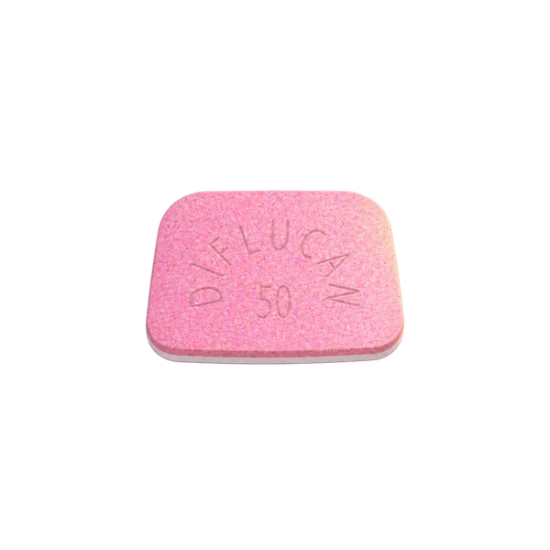
Fluconazole
4.1 (4 customer reviews)Fluconazole is taken by mouth, with or without food, to treat susceptible yeast and fungal infections. It is used for conditions such as vaginal yeast infection and oral thrush, and it blocks ergosterol production, weakening the fungal cell membrane.
Overview
Fluconazole contains the active antifungal ingredient fluconazole. It belongs to the azole antifungal group, specifically the triazoles, and is used against susceptible fungi, including many Candida species.
An azole antifungal interferes with a fungal enzyme needed to maintain its cell membrane. It does not treat bacterial infections or viral infections.
Therapeutic indications
Fluconazole is used for several types of Candida infection. The clinical setting determines the treatment plan, follow-up, and need for laboratory testing.
The Infectious Diseases Society of America describes fluconazole as a key option for selected mucosal and invasive candidiasis indications, with treatment choice guided by infection site, immune status, species identification, and susceptibility results. [1]
Candidemia means Candida has entered the bloodstream. Cryptococcal meningitis affects the tissues around the brain and spinal cord. Neither condition is suitable for self-directed dosing.
How it affects the body
Fluconazole inhibits ergosterol synthesis. Ergosterol is a cholesterol-like substance that helps form the fungal protective covering, also called the fungal cell membrane.
When a susceptible fungal cell cannot produce enough ergosterol, its membrane becomes unstable. Growth slows, and the organism may be cleared by the immune system and antifungal treatment. Fluconazole targets fungal processes rather than directly numbing itching, discharge, mouth soreness, or skin discomfort.
The response depends on the organism. Some Candida species are less responsive to fluconazole, which is why persistent or recurrent infection may require testing rather than repeated empirical treatment.
Reasons not to use it
Fluconazole is not for you if you have had a serious allergic reaction to fluconazole or another azole antifungal, unless a specialist has assessed the risk and benefit.
- Previous allergy to fluconazole or related azole antifungals.
- Liver disease or a history of medication-related liver injury.
- Kidney impairment, which can alter medicine clearance.
- Long QT syndrome, prior abnormal heart rhythm, fainting of unexplained cause, or low potassium or magnesium.
- Pregnancy, planned pregnancy, or breastfeeding.
- A weakened immune system, cancer treatment, organ transplant, or recent bone marrow transplant.
- All prescription medicines, nonprescription medicines, vitamins, and herbal products.
When this is not for you
Do not choose a stronger fluconazole regimen because symptoms feel more severe. Pelvic pain, fever, sores, foul-smelling discharge, vomiting, or persistent symptoms can signal a condition that needs a different approach.
Possible side effects
Headache, nausea, stomach pain, diarrhea, indigestion, and altered taste are among the more frequently reported effects of Fluconazole. These effects are often manageable, though persistent vomiting, marked abdominal pain, or inability to keep fluids down needs clinical attention.
More serious reactions need prompt action:
- Yellow skin or eyes, dark urine, pale stools, or unusual fatigue may indicate liver injury.
- Widespread rash, blistering, peeling skin, mouth sores, or fever may indicate a severe skin reaction.
- Facial swelling, throat tightness, wheezing, or breathing difficulty can indicate an allergic reaction or anaphylaxis.
- Fainting, fast heartbeat, skipped beats, or sustained palpitations may indicate a heart-rhythm problem.
QT prolongation means delayed electrical recovery of the heart after each beat. In vulnerable people, it can trigger a dangerous rhythm disturbance. The FDA labeling for fluconazole describes hepatic reactions, severe cutaneous reactions, and QT-related risk in susceptible patients or interaction settings. [2]
Formulation
Fluconazole contains the active antifungal ingredient fluconazole. It belongs to the azole antifungal group, specifically the triazoles, and is used against susceptible fungi, including many Candida species.
An azole antifungal interferes with a fungal enzyme needed to maintain its cell membrane. It does not treat bacterial infections or viral infections.
Dosage and administration
Take oral Fluconazole exactly as prescribed. It can be taken with or without food, and taking it at a similar time each day helps when the regimen involves repeated doses.
- Swallow the prescribed oral dose with water.
- Continue a multi-dose course for the prescribed duration, even if symptoms begin to settle.
- If using oral suspension, measure it with an oral syringe or medicine cup rather than a kitchen spoon.
- Take a missed repeated dose when remembered unless the next scheduled dose is close; do not take two doses together.
- Do not repeat a single-dose regimen merely because itching or discharge has not stopped immediately.
Symptom relief can lag behind fungal clearance. Vaginal irritation may take several days to improve because inflamed tissue needs time to recover even after fungal growth has been suppressed.
Comparison
Vaginal antifungal treatment can be oral or topical. The choice depends on symptom pattern, prior episodes, pregnancy status, interaction risk, local irritation, and whether the diagnosis is confirmed.
Common mistakes
Common patient mistakes include taking extra doses because discomfort remains, stopping a longer prescribed course early, and assuming every recurrence is the same infection. Persistent symptoms do not automatically mean Fluconazole failed. The cause may be a resistant Candida species, reinfection, a non-fungal condition, or inflammation that remains after fungal clearance.
What doctors say
In clinical practice, Fluconazole is valued because it reaches many body sites after oral administration and can be convenient for susceptible Candida infections. The convenience of a simple vaginal yeast infection regimen should not be applied to invasive candidemia or cryptococcal meningitis, where organism identification, organ function, response monitoring, and interaction screening guide treatment.
Clinicians also look beyond the immediate symptom. Repeated vaginal yeast symptoms may point to uncontrolled diabetes, antibiotic exposure, immune suppression, a resistant organism, or an incorrect diagnosis.
The World Health Organization identifies invasive fungal disease as a serious global health issue, especially for people with weakened immune systems. [3]
Common questions
What should I discuss with a doctor before starting Fluconazole?
Discuss previous allergic reactions, liver or kidney disease, heart-rhythm history, pregnancy status, and every medicine or supplement you use. FDA labeling from 2011 highlights interaction and QT prolongation considerations, which makes a full medication list clinically relevant. Mention anticoagulants, seizure medicines, diabetes medicines, transplant medicines, and drugs used for heart rhythm or mental health. Also describe whether this is a first infection, a recurrent pattern, or symptoms that continued after another treatment.
What happens if I stop Fluconazole, and does it need to be tapered?
Fluconazole does not usually require tapering because it is an antifungal rather than a medicine that causes physical dependence. The IDSA guideline published in 2016 advises treatment durations that vary by infection type, site, and immune status. Stopping a multi-dose course early can leave an infection incompletely treated and may allow symptoms to return. A single prescribed regimen should not be extended or repeated without reassessment.
Can Fluconazole be used during pregnancy or while breastfeeding?
Pregnancy use needs individual clinical assessment because the reason for treatment, timing of pregnancy, and prescribed regimen all matter. CDC guidance from 2021 advises pregnancy-specific management for vulvovaginal candidiasis and favors topical azole treatment during pregnancy. Breastfeeding decisions should account for the prescribed regimen and the infant’s age or medical condition. Tell the prescriber about pregnancy or breastfeeding before Fluconazole is selected.
Can Fluconazole affect driving, concentration, or work with machinery?
Some people experience dizziness, headache, fatigue, or visual changes while using Fluconazole. FDA prescribing information from 2011 lists dizziness among reported adverse effects, so assess your response before driving or operating machinery. Avoid hazardous tasks if you feel lightheaded, unusually tired, or unable to focus. Fainting or palpitations require urgent medical assessment rather than waiting for the next dose.
Can alcohol be used while taking Fluconazole?
Alcohol does not have a direct interaction with Fluconazole that affects every user, yet it can worsen nausea, stomach upset, dizziness, and dehydration. The FDA’s 2011 safety information describes the need for caution with liver-related adverse reactions, making heavy alcohol intake a poor choice during treatment. Avoid alcohol if Fluconazole causes stomach symptoms, dizziness, or fatigue. People with liver disease should discuss alcohol exposure as part of their treatment plan.
Do you offer anonymous delivery?
Your order will be securely packed and shipped within 24 hours. This is exactly what your package will look like (images of an actual item sent). It has the size and look of a regular private letter (9.4x4.3x0.3 in.) and its contents cannot be seen.
Comparison
Customer Feedback on Fluconazole
Sources
- Infectious Diseases Society of America (2016). Clinical Practice Guideline for the Management of Candidiasis: 2016 Update by the Infectious Diseases Society of America.
- FDA (2011). Fluconazole Tablets Prescribing Information.
- World Health Organization (2022). WHO Fungal Priority Pathogens List to Guide Research, Development and Public Health Action.