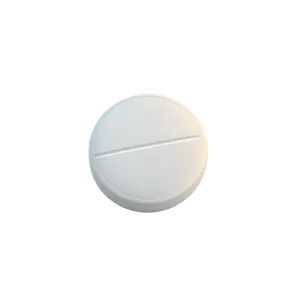
Chloroquine
3.6 (5 customer reviews)Inside malaria parasites, the active compound in Chloroquine accumulates in a compartment needed for hemoglobin digestion. By disrupting heme disposal, it damages the parasite within infected red blood cells.
Overview
It is a 4-aminoquinoline antimalarial for prevention or treatment of malaria only when the infecting parasite is expected to be susceptible. Chloroquine contains the antimalarial active substance chloroquine, a member of the 4-aminoquinoline class; the FDA and European Medicines Agency (EMA) provide regulatory product information for medicines in this class. Its principal clinical purpose is prevention and treatment of susceptible malaria, including infections caused by susceptible Plasmodium species.
Pharmaceutical Identity of Chloroquine
A malaria parasite digests hemoglobin inside red blood cells. This process releases heme, an iron-containing substance that becomes toxic unless the parasite neutralizes it. Chloroquine interferes with that defense.
Chloroquine has the molecular formula C18H26ClN3 and CAS registry number 54-05-7. These chemistry details do not determine the dose; the prescribed regimen does.
Phosphate and Sulfate Salt Forms
Chloroquine phosphate and chloroquine sulfate are salt forms used to prepare pharmaceutical products. The salt weight and the amount of chloroquine base are not interchangeable, so strengths must never be converted independently.
Therapeutic indications
Chloroquine is useful only for chloroquine-sensitive malaria. Species identification, travel or exposure location, illness severity, pregnancy status, age, kidney function, and local resistance patterns all influence the regimen. WHO malaria guidance continues to emphasize that antimalarial selection must match local parasite susceptibility. [2]
Chloroquine-Sensitive Malaria
Chloroquine-sensitive malaria refers to infection where the parasite remains responsive to chloroquine. It can be used for prevention before exposure or as part of treatment when susceptibility is confirmed or strongly expected.
Malaria prevention is not one-size-fits-all. Resistance maps and destination-specific public-health guidance determine whether chloroquine is appropriate.
Chloroquine-Resistant Malaria
Chloroquine-resistant malaria is common in many areas, especially with Plasmodium falciparum. In these infections, taking chloroquine may delay appropriate treatment without clearing the parasite.
Urgent assessment is needed for fever after malaria exposure accompanied by confusion, fainting, seizures, shortness of breath, jaundice, repeated vomiting, dark urine, or severe weakness.
Molecular Basis of Resistance
The chloroquine resistance transporter is a parasite protein that can move chloroquine away from the digestive vacuole. Less drug remains at the site where toxic heme builds up. This is why a medicine that works well in one malaria setting may be unsuitable in another.
How it affects the body
Chloroquine concentrates inside the parasite’s digestive vacuole, an acidic compartment where hemoglobin is broken down. It prevents the parasite from converting toxic free heme into a safer crystalline form, leaving heme to accumulate and injure the organism. FDA prescribing information describes this established antimalarial action. [1]
Parasite Heme Detoxification Blockade
The sequence is direct:
- The parasite digests hemoglobin inside an infected red blood cell.
- Free heme is released during digestion.
- Chloroquine accumulates in the digestive vacuole.
- Heme remains toxic to the parasite.
- Parasite growth is suppressed when susceptibility is present.
Resistance changes the result. A parasite may reduce the amount of chloroquine retained inside its digestive vacuole.
Endosomal and Lysosomal Effects
Chloroquine can raise endosomal and lysosomal pH and can inhibit autophagic flux in laboratory systems. Endosomes and lysosomes are cell compartments that process material; autophagy is a cell-recycling process. These effects explain research interest, yet they do not establish routine treatment for viral infections or unrelated conditions.
When this is not for you
This is NOT for you if you have a known allergy to chloroquine, a history of chloroquine-related retinal damage, or a clinician has identified a serious reason to avoid QT-prolonging therapy.
Pre-existing retinal disease, psoriasis, porphyria, seizure disorders, significant kidney or liver impairment, and cardiac rhythm conditions need individualized review. People using insulin or other glucose-lowering medicines also need attention because chloroquine can contribute to hypoglycemia.
Possible side effects
Chloroquine can cause nausea, abdominal discomfort, diarrhea, headache, dizziness, itching, rash, and appetite changes. These effects may be temporary, though persistent vomiting or diarrhea can compromise hydration and absorption.
Serious reactions are uncommon but clinically significant. They include retinal toxicity, dangerous heart-rhythm changes, severe low blood sugar, seizures, severe skin reactions, mood or behavior changes, and blood-cell disorders.
Common Tolerability Effects
Mild stomach symptoms are often easier to manage when the dose is taken with food. Itching can occur even without a visible rash. New rash, blistering, facial swelling, or breathing difficulty needs prompt medical assessment.
Serious Toxicity Signals
Stop chloroquine and seek urgent medical help for fainting, a fast or irregular heartbeat, chest pain, seizures, severe confusion, profound weakness, severe skin blistering, or symptoms of low blood sugar such as sweating, shaking, confusion, or loss of consciousness.
Retinopathy is damage to the retina, the light-sensitive tissue at the back of the eye. Risk rises with cumulative exposure and can become permanent if detected late.
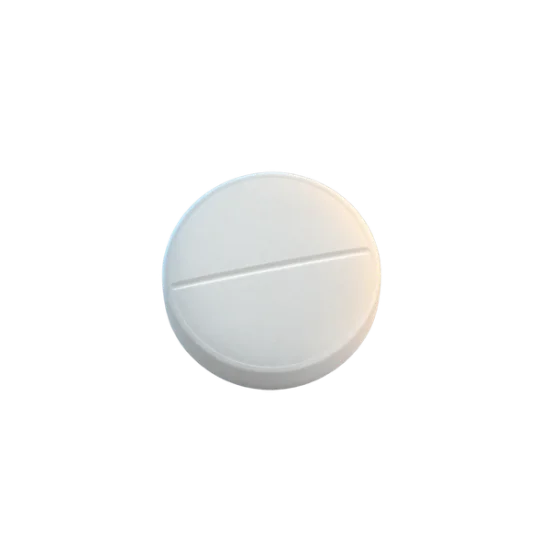
Formulation
Chloroquine contains the antimalarial active substance chloroquine, a member of the 4-aminoquinoline class; the FDA and European Medicines Agency (EMA) provide regulatory product information for medicines in this class. Its principal clinical purpose is prevention and treatment of susceptible malaria, including infections caused by susceptible Plasmodium species.
Pharmaceutical Identity of Chloroquine
A malaria parasite digests hemoglobin inside red blood cells. This process releases heme, an iron-containing substance that becomes toxic unless the parasite neutralizes it. Chloroquine interferes with that defense.
Chloroquine has the molecular formula C18H26ClN3 and CAS registry number 54-05-7. These chemistry details do not determine the dose; the prescribed regimen does.
Phosphate and Sulfate Salt Forms
Chloroquine phosphate and chloroquine sulfate are salt forms used to prepare pharmaceutical products. The salt weight and the amount of chloroquine base are not interchangeable, so strengths must never be converted independently.
Dosage and administration
The dose is decided individually, taking age, other medicines and health conditions into account. Prevention and treatment use different schedules, while children require weight-based prescribing. Chloroquine is taken orally when supplied as an oral tablet.
- Take each dose at the prescribed time.
- Take it with food when stomach upset occurs or when the prescriber directs this.
- Swallow tablets whole unless specific instructions permit alteration.
- If a dose is missed, contact the prescriber or pharmacist for regimen-specific advice rather than doubling the next dose.
- Complete the prescribed prevention or treatment course unless a clinician changes it.
Indication-Based Dose Selection
Treatment dosing depends on the malaria species, severity, expected resistance, body weight, and clinical setting. Kidney or liver impairment may also affect monitoring and dose decisions.
Oral Tablet Administration
Food can reduce nausea for some people. Taking doses on the same day and at a consistent time helps prevent missed doses, especially during prevention schedules.
Salt Strength and Dose Calculation
Chloroquine phosphate and chloroquine sulfate cannot be substituted by matching a number alone. A clinician must account for whether a product expresses its strength as chloroquine base or as a salt.
Comparison
Chloroquine remains the anchor option when parasite susceptibility is expected. Other agents may be selected when resistance, disease severity, pregnancy considerations, age, or tolerability make chloroquine less suitable.
Chloroquine and Hydroxychloroquine
Hydroxychloroquine is related to chloroquine but is not automatically interchangeable. Both can affect the retina and cardiac conduction. A clinician selects one based on the specific indication and the intended regimen.
Alternative Malaria Medicines
Artesunate-based treatment is commonly used for severe malaria in appropriate clinical settings. Primaquine may have a role for specific parasite stages, while quinine may be used in selected treatment plans. These decisions require species-level and resistance-aware prescribing.
Common mistakes
Common avoidable errors include:
- Using chloroquine for an exposure where resistance is likely.
- Treating fever after travel without urgent malaria assessment.
- Confusing chloroquine base with chloroquine salt strength.
- Missing prevention doses or ending a course early.
- Combining medicines without reviewing QT-interval risk.
- Ignoring new visual symptoms, palpitations, fainting, or severe weakness.
- Giving an adult regimen to a child instead of using weight-based prescribing.
What doctors say
Clinically, Chloroquine is considered only when malaria is expected to be chloroquine-sensitive. Consistent use as prescribed is important, and patients should consult a physician about the regimen, missed doses, symptoms, pregnancy, kidney function, or other medicines.
Common questions
What happens if chloroquine is stopped, and does it need tapering?
Chloroquine does not usually require tapering after a short malaria prevention or treatment course. Stopping early can leave malaria insufficiently treated or reduce protection after exposure, so the decision depends on the indication and any adverse effects. FDA prescribing information supports indication-specific use rather than abrupt self-directed regimen changes. In 2017, the FDA label described different clinical uses requiring different schedules.
Is chloroquine suitable for older adults?
Older adults may use chloroquine when it is clinically appropriate, though medication review is more important because heart-rhythm medicines, diabetes medicines, kidney impairment, and eye disease become more common with age. Dizziness, low blood sugar, visual symptoms, and palpitations require attention. WHO guidance published in 2023 supports individualized malaria management according to patient factors and local treatment recommendations.
What should be discussed before starting chloroquine?
Discuss previous malaria exposure, the likely location of infection, heart disease, fainting, known long-QT syndrome, eye disease, psoriasis, porphyria, seizures, kidney or liver disease, and all medicines or supplements. Mention any history of low blood sugar. The FDA’s 2020 safety communication highlighted the value of cardiac-risk assessment when chloroquine is used with medicines that affect heart rhythm.
How long does a chloroquine course last, and is long-term use acceptable?
Course length differs between prevention, acute malaria treatment, and nonmalarial specialist use. Long-term therapy can be acceptable for selected indications, though it raises the importance of retinal monitoring, dose review, and kidney-function assessment. American Academy of Ophthalmology recommendations from 2016 link retinal risk to dose, duration, and cumulative exposure.
What should be done if the expected result does not occur?
Persistent fever, worsening symptoms, vomiting that prevents doses from staying down, or symptoms after travel require prompt malaria assessment. Chloroquine-resistant malaria, an incorrect diagnosis, severe malaria, or poor absorption can explain lack of response. CDC travel guidance updated in 2024 stresses that malaria prevention and treatment choices must match destination-specific resistance information.
How long does one chloroquine dose keep working?
Chloroquine remains in the body for a prolonged period because it distributes extensively into tissues, yet this does not mean one dose provides adequate protection for an entire malaria-risk period. Protection depends on the full prescribed schedule and whether local parasites are susceptible. The FDA label from 2017 describes chloroquine as a regimen-based antimalarial rather than a single-dose preventive strategy.
Do you offer anonymous delivery?
Your order will be securely packed and shipped within 24 hours. This is exactly what your package will look like (images of an actual item sent). It has the size and look of a regular private letter (9.4x4.3x0.3 in.) and its contents cannot be seen.
Comparison
Customer Feedback on Chloroquine
Sources
- FDA (2017). Aralen (chloroquine phosphate) tablets: Prescribing Information.
- WHO (2023). WHO Guidelines for Malaria.