Skip to content
Save up to 80% Fast & Discrete Delivery
Caberlin
Quality products
Fast & Discrete Delivery
Money-back guarantee

Caberlin

3.7 (3 customer reviews)
Delivery: 4-7 business days
Payment
24/7 Support
Active ingredient: Cabergoline

Free bonus tablets with every order: 4 on any order, 8 over $112.00, 12 over $222.88, 16 over $334.88

256-bit SSL
Certified pharmacy
Money-back guarantee

Cabergoline, the active ingredient of Caberlin, is a dopamine D2 receptor agonist used to lower abnormally high prolactin levels. It is prescribed for adults with hyperprolactinemia caused by excess prolactin release from the pituitary gland. By reducing prolactin secretion, Caberlin can ease hormone-related symptoms.

Overview

Caberlin contains cabergoline, a prescription dopamine agonist used for high prolactin levels. Prolactin is a hormone released by the pituitary gland, a small gland at the base of the brain. Hyperprolactinemia means that prolactin remains above the expected range on blood testing.

Active Ingredient and Pharmacological Class

Cabergoline acts as a dopamine D2 receptor agonist. A receptor is a protein on a cell that receives chemical signals; cabergoline imitates dopamine’s normal inhibitory signal to prolactin-producing cells.

Therapeutic indications

Raised prolactin may be linked with:

  • Unwanted breast milk production, called galactorrhea
  • Missed or irregular menstrual periods, including amenorrhea
  • Reduced sexual desire or sexual function
  • Breast enlargement in men
  • Fertility difficulties related to disrupted reproductive hormones

Symptoms alone do not establish high prolactin. Blood testing and clinical assessment identify whether prolactin is elevated and help find the underlying cause.

A prolactin result can be influenced by stress, sleep, nipple stimulation, pregnancy, thyroid disease, and some medicines. A clinician may repeat testing before deciding on treatment.

High prolactin levels can affect people differently. Symptoms depend on sex, reproductive status, the degree of hormone elevation, and its cause. A pituitary mass is one possible cause, though it is not present in every case.

Reproductive and Breast Symptoms

Galactorrhea means breast milk production unrelated to breastfeeding. Amenorrhea means absent menstrual periods. People may also experience irregular cycles, breast tenderness, or reduced fertility because excess prolactin can disrupt normal reproductive hormone signaling.

Headache or new vision changes need prompt medical assessment, especially when they occur with confirmed high prolactin.

Sexual and Fertility-Related Effects

Men with elevated prolactin may notice decreased sexual ability, lower libido, erectile difficulty, infertility, or enlarged breasts. Women may experience reduced libido, vaginal dryness, menstrual disruption, or difficulty conceiving.

These effects may have more than one cause. Caberlin targets prolactin excess; it does not treat every possible cause of sexual or reproductive symptoms.

How it affects the body

Caberlin works mainly in the pituitary gland. Cabergoline stimulates dopamine D2 receptors on lactotroph cells, which are the cells that produce prolactin. This reduces prolactin release without broadly suppressing all pituitary hormones.

Dopamine normally acts as a brake on prolactin secretion. Cabergoline reinforces that brake.

The Endocrine Society guideline identifies dopamine agonists, including cabergoline, as preferred therapy for many patients with symptomatic prolactin excess and prolactin-secreting pituitary adenomas [2].

Reasons not to use it

Caberlin is not for you if you have a known allergy to cabergoline or other ergot-derived medicines, or if a clinician has advised against dopamine agonists because of a relevant medical condition. The prescriber should review heart-valve disease, fibrotic disorders affecting the lungs or abdomen, uncontrolled hypertension, liver disease, and significant psychiatric history before treatment.

Dopamine-blocking medicines may reduce cabergoline’s prolactin-lowering action. This group includes several antipsychotic medicines and some anti-nausea medicines.

When this is not for you

Tell the prescriber about:

  • Previous heart-valve disease, heart murmur, chest symptoms, or unexplained breathlessness
  • High blood pressure, especially if poorly controlled
  • Past pulmonary, retroperitoneal, or cardiac fibrosis
  • Severe liver impairment
  • Depression, psychosis, mania, or impulse-control problems
  • Pituitary-related headaches or vision changes

Alcohol can worsen dizziness.

One commonly missed detail is anti-nausea treatment. Medicines used for nausea can act on dopamine pathways, so include them when providing a full medicine and supplement list.

Cabergoline may restore ovulation before periods become regular, so pregnancy can occur unexpectedly. Treatment during pregnancy or breastfeeding requires individualized planning because cabergoline suppresses prolactin and can reduce milk production. The MHRA product information for cabergoline advises individualized evaluation of treatment during pregnancy and monitoring based on the patient’s condition [4].

Possible side effects

Caberlin may cause stomach upset, nausea, vomiting, constipation, dizziness, lightheadedness, headache, fatigue, or weakness. These effects are often most noticeable early in treatment or after a dose adjustment.

Possible effect Practical response
Nausea or stomach upset Take with a meal if the prescriber permits; use smaller, bland meals
Constipation Maintain fluid intake and dietary fiber; discuss persistent symptoms
Dizziness or lightheadedness Rise slowly and sit down if symptoms begin
Fatigue Avoid driving or hazardous tasks until the personal response is known

Gastrointestinal Effects

Nausea and stomach upset can be unpleasant but may settle as the body adjusts. Vomiting that prevents fluids from staying down needs medical advice. Persistent constipation should also be discussed rather than managed with repeated self-treatment.

Dizziness, Lightheadedness, and Fatigue

Postural dizziness means feeling faint after standing. Sit on the edge of the bed for a moment before getting up, especially overnight or early in the morning.

Avoid driving, climbing ladders, or operating machinery after an early dose or dose change until Caberlin’s effect on alertness and balance is clear.

Fainting, recurrent falls, or severe weakness require timely medical assessment.

Most people do not develop severe reactions, yet some symptoms require urgent action. Cabergoline has been associated with rare but serious fibrotic reactions and heart-valve changes, mainly with prolonged exposure at higher doses used in Parkinson’s disease; cardiac monitoring may be considered according to individual risk and treatment duration [3].

Mood and Vision Changes

Contact a clinician promptly for new depression, marked anxiety, agitation, unusual urges, gambling behavior, compulsive spending, or major changes in behavior. New or worsening vision changes, severe headache, or a change in peripheral vision also needs urgent clinical assessment.

Chest Symptoms and Breast Pain

Seek emergency care for acute chest pain, shortness of breath, fainting, or one-sided weakness. New breast pain, a lump, or nipple discharge that changes in character deserves medical evaluation rather than assumption that it is caused by prolactin alone.

Allergic Reaction Signs

Hives, widespread skin rashes, facial swelling, lip swelling, throat swelling, wheezing, or breathing difficulty can indicate an allergic reaction. Stop driving and seek emergency care if airway swelling or breathing difficulty occurs.

Formulation

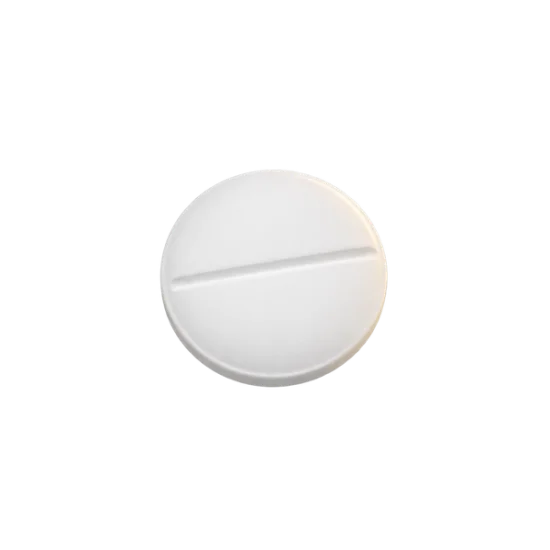
Caberlin contains cabergoline, a prescription dopamine agonist used for high prolactin levels. Prolactin is a hormone released by the pituitary gland, a small gland at the base of the brain. Hyperprolactinemia means that prolactin remains above the expected range on blood testing.

Active Ingredient and Pharmacological Class

Cabergoline acts as a dopamine D2 receptor agonist. A receptor is a protein on a cell that receives chemical signals; cabergoline imitates dopamine’s normal inhibitory signal to prolactin-producing cells.

The FDA prescribing information describes cabergoline as treatment for hyperprolactinemic disorders, with dosing and monitoring tailored to the diagnosis, response, and tolerability of each person [1].

Dosage and administration

Caberlin tablets are taken by mouth on the schedule prescribed for the individual patient. Cabergoline is often used on selected days rather than as an improvised daily treatment. The prescribed plan may begin cautiously and change according to prolactin results, blood pressure symptoms, and adverse effects.

  • Take Caberlin only on the scheduled day or days set by the prescriber.
  • Swallow the tablet with water. Taking it with food may reduce nausea for some people.
  • Do not add extra tablets after a missed scheduled dose.
  • Do not alter the schedule because symptoms improve or return.
  • Attend requested prolactin testing and follow-up appointments.
Put the prescribed treatment days into a calendar as soon as therapy starts. Intermittent dosing is easy to confuse with a daily medicine routine.

Cabergoline can lower blood pressure, especially when standing after sitting or lying down. The first few doses deserve extra care, since dizziness can occur before a person knows how they respond.

Comparison

Caberlin contains cabergoline. The closest pharmacological alternative is another dopamine agonist, bromocriptine. The choice depends on response, tolerability, pregnancy plans, medical history, and the cause of high prolactin.

Treatment approach Main difference
Cabergoline Dopamine D2 receptor agonist with intermittent scheduled dosing in many treatment plans
Bromocriptine Dopamine agonist that is often taken more frequently and may cause more gastrointestinal effects for some patients
Observation and cause-directed care Used when elevated prolactin is mild, temporary, medicine-related, or linked to another treatable condition

Cabergoline is often favored when sustained prolactin suppression and tolerability are priorities. Bromocriptine remains useful for selected patients, including some people whose treatment plan changes around pregnancy. A switch between dopamine agonists should be prescriber-led because dose schedules and side-effect patterns differ.

Common mistakes

Dose-Schedule Errors

Common mistakes include:

  • Taking Caberlin daily when it was prescribed only on selected days
  • Adding a dose after forgetting a scheduled day
  • Stopping treatment when breast symptoms improve
  • Taking a replacement tablet without confirming the active ingredient and prescribed schedule
  • Ignoring new dizziness because it seems minor

Monitoring and Symptom Interpretation

A normal-looking menstrual cycle or improved libido does not confirm normalized prolactin. Follow-up testing remains the reliable measure of treatment response.

The Pituitary Society’s international consensus statement emphasizes individualized management, including evaluation of symptoms, prolactin values, imaging when indicated, and treatment tolerability [5].

What doctors say

In endocrine practice, clinicians focus on the cause of high prolactin as well as the number itself. Medication-related elevation, hypothyroidism, pregnancy, pituitary disorders, and kidney disease can require different plans. Caberlin is most useful when it matches the cause and follow-up remains consistent.

Common questions

Can I take Caberlin if I have a history of heart-valve disease?

Caberlin may be unsuitable or require specialist assessment if you have known valve disease, a significant heart murmur, or a history of fibrotic illness. Cabergoline can be linked with fibrotic and valvular complications in susceptible people, especially with prolonged exposure. The FDA prescribing information (2011) advises assessment of cardiovascular risk before treatment and further monitoring when clinically indicated. A cardiology review may be part of the treatment plan. The decision depends on the valve finding and current treatment plan.

Can Caberlin be used during pregnancy or while breastfeeding?

Pregnancy planning should be discussed before starting Caberlin because fertility may return as prolactin falls. Cabergoline suppresses prolactin, so it can interfere with milk production during breastfeeding. The MHRA product information (2022) advises that use during pregnancy should be based on an individual clinical assessment rather than a routine decision. Do not start, stop, or restart Caberlin during pregnancy without prescriber guidance.

What should I discuss with my doctor before starting Caberlin?

Discuss heart symptoms, blood pressure, liver disease, psychiatric history, pregnancy plans, and every prescribed medicine, nonprescription medicine, and supplement you use. Mention antipsychotic and anti-nausea medicines because some can block dopamine receptors and alter cabergoline’s effect. The Endocrine Society guideline (2011) supports identifying the cause of elevated prolactin before selecting treatment. Bring prior prolactin results and pituitary imaging reports if available.

How long does one Caberlin dose keep working?

Cabergoline has a long duration of action, which is why some treatment plans use spaced dosing rather than daily administration. The effect on prolactin varies with the underlying cause, the prescribed schedule, and individual metabolism. Blood tests guide whether the effect is lasting long enough between planned doses. The Pituitary Society consensus statement (2023) supports adjusting treatment according to clinical and biochemical response rather than a fixed timeline.

Do diet, exercise, or daily habits affect Caberlin treatment?

No specific diet replaces prolactin-directed treatment, though regular meals may reduce nausea for some people taking Caberlin. Limiting alcohol can reduce the chance of dizziness, impaired coordination, and low blood pressure symptoms. Exercise is usually beneficial when it feels comfortable, but stop and seek advice for chest pain, fainting, severe breathlessness, or marked weakness. WHO guidance (2020) on healthy diet and physical activity supports these habits for general cardiovascular health during long-term medical care.

Do you offer anonymous delivery?

Your order will be securely packed and shipped within 24 hours. This is exactly what your package will look like (images of an actual item sent). It has the size and look of a regular private letter (9.4x4.3x0.3 in.) and its contents cannot be seen.

Comparison

Comparison table: Hyperprolactinemia

Home and Travel Storage

How should Caberlin be stored at home and while travelling?

Customer Feedback on Caberlin

Ben, 60
Orlando
A few weeks
Verified
Rating: 5 out of 5
I used Caberlin on my scheduled treatment days for elevated prolactin. After follow-up testing and a few weeks of steady use, the breast tenderness that had bothered me for months eased, and my energy felt more normal. The calendar reminder made the intermittent schedule much easier to keep straight.
Nov 8, 2026
Jack, 37
Jacksonville
Verified
Rating: 4 out of 5
My prolactin had been affecting libido and my partner and I were worried about fertility. I stayed consistent with Caberlin and the repeat blood work moved in the right direction. I appreciated that the plan was based on results instead of guessing from symptoms.
Nov 3, 2026
Adam, 48
Cleveland
Verified
Rating: 2 out of 5
I stopped Caberlin after I kept feeling lightheaded when standing at work. It did lower my prolactin, but the dizziness was too disruptive for me. My clinician reviewed my blood pressure and changed the plan rather than having me continue through it.
Oct 12, 2026

Sources

  1. FDA (2011). Dostinex (cabergoline) tablets prescribing information.
  2. Endocrine Society (2011). Diagnosis and Treatment of Hyperprolactinemia: An Endocrine Society Clinical Practice Guideline.
  3. Schade, R. et al. (2007). Dopamine agonists and the risk of cardiac-valve regurgitation.
  4. MHRA (2022). Cabergoline 0.5 mg Tablets: Summary of Product Characteristics.
  5. Pituitary Society (2023). Diagnosis and management of prolactin-secreting pituitary adenomas: A Pituitary Society international Consensus Statement.
Get our free app Shop faster and track your orders 4.0 · 266 reviews Install