Cabergoline
3.8 (3 customer reviews)Adults with hyperprolactinemia caused by a prolactin-secreting pituitary adenoma or another confirmed endocrine cause may be treated with Cabergoline. This long-acting dopamine D2 receptor agonist reduces prolactin release from the pituitary gland and can help restore reproductive, hormonal, and metabolic function.
Overview
Cabergoline is an ergot-derived dopamine agonist used to lower excess prolactin. Prolactin is a hormone made by lactotroph cells in the anterior pituitary gland; when levels remain elevated, menstrual disruption, infertility, low libido, erectile dysfunction, galactorrhea, and bone loss may follow.
Interaction with Dopamine D2 Receptors
Cabergoline acts mainly on dopamine D2 receptors. Dopamine is the body’s natural brake on prolactin secretion, and Cabergoline reproduces that signal in pituitary lactotroph cells.
The European Medicines Agency describes cabergoline as a dopamine agonist for disorders associated with high prolactin levels [1].
Therapeutic indications
Adults with hyperprolactinemia caused by a prolactin-secreting pituitary adenoma or another confirmed endocrine cause may be treated with Cabergoline.
How it affects the body
When dopamine D2 receptors are stimulated, intracellular signaling reduces prolactin synthesis and release. Cabergoline lowers prolactin when excess secretion is driven by a dopamine-responsive pituitary process. As prolactin normalizes, menstrual cycles and ovulation may resume, testosterone may recover in affected men, and prolactin-related breast discharge can lessen.
Reasons not to use it
Extra caution is needed in the following situations:
- Uncontrolled hypertension or a history of severe pregnancy-related hypertension.
- Existing structural heart disease or a heart murmur requiring evaluation.
- Severe liver impairment, because the medicine may remain in the body longer.
- Current psychosis, severe mood instability, or prior dopamine-agonist impulse-control problems.
- Pregnancy, where the endocrine indication and pituitary tumor size guide treatment decisions.
Dopamine-blocking medicines can reduce Cabergoline’s prolactin-lowering action. This includes metoclopramide and several antipsychotic medicines. Blood-pressure medicines may add to dizziness or fainting risk, while alcohol can intensify sedation and impaired coordination.
When this is not for you
Cabergoline is not for you if you have a known hypersensitivity to cabergoline or another ergot-derived medicine, a history of pulmonary, pericardial, or retroperitoneal fibrotic disease, or confirmed clinically significant heart-valve disease linked to fibrosis.
Possible side effects
Common adverse effects include:
- Nausea or stomach discomfort
- Constipation
- Headache
- Dizziness or low blood pressure when standing
- Fatigue or sleepiness
- Nasal congestion
- Breast tenderness during hormonal adjustment
Dizziness can be abrupt. Avoid driving or hazardous work until you know how Cabergoline affects alertness and blood pressure.
Less common but serious concerns include fainting, new compulsive behaviors, hallucinations, sleep attacks, shortness of breath, persistent cough, chest discomfort, leg swelling, or symptoms of fibrosis. Ergot-derived dopamine agonists have been associated with valvular and fibrotic complications, mainly with long-term high exposure in Parkinson disease; cardiac history still matters in endocrine treatment. FDA prescribing information also warns about somnolence, orthostatic hypotension, psychiatric effects, and fibrotic reactions [3].
Formulation
Cabergoline is an ergot-derived dopamine agonist. Its active substance acts mainly on dopamine D2 receptors in pituitary lactotroph cells, reproducing dopamine’s inhibitory effect on prolactin secretion and helping lower excess prolactin.
Dosage and administration
Cabergoline is taken orally. The amount per intake is set individually for each person rather than being one fixed number, because the starting approach, treatment goal, prolactin result, tolerability, and presence of a pituitary adenoma all matter.
Treatment is commonly adjusted gradually. A clinician may use repeat prolactin testing to judge whether the current regimen is suppressing the hormone without causing troublesome adverse effects. People with a macroprolactinoma may also need repeat visual-field assessment or pituitary imaging when the tumor lies close to the optic pathways.
A practical administration routine includes:
- Take Cabergoline on the scheduled treatment days.
- Taking it with food can reduce nausea for some people.
- Keep the same weekly schedule once it is established.
- Do not double an intake after a missed dose.
- Record headaches, new visual symptoms, fainting, or marked mood changes.
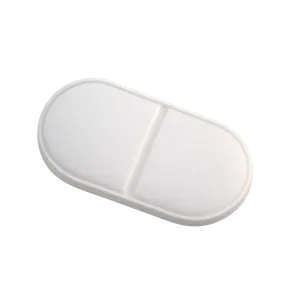
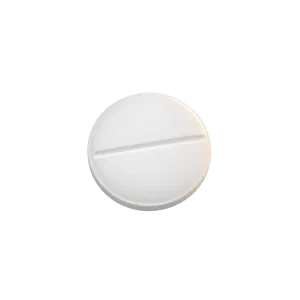
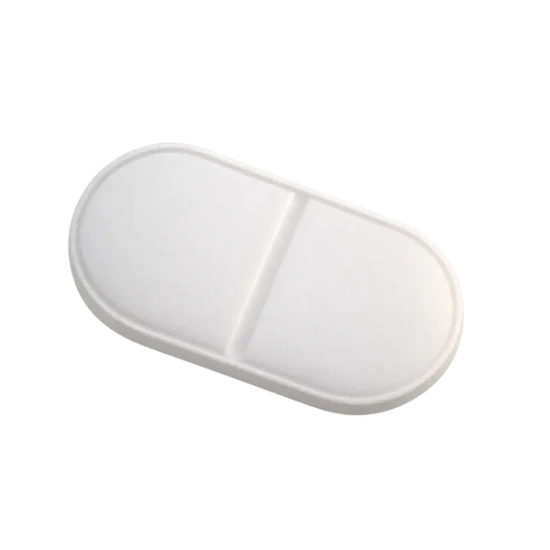
The tablet should be swallowed whole. Splitting a tablet may be appropriate only when the prescribed regimen requires it; do not alter a planned dose independently because prolactin reduction is assessed over time, not by day-to-day symptoms alone.
Cabergoline has a long duration of action, so treatment schedules are usually intermittent. Dose adjustments are made from prolactin results, clinical response, and adverse-effect pattern rather than from a fixed timeline.
Comparison
Cabergoline, bromocriptine, and pramipexole all influence dopamine signaling, though they are not interchangeable. Cabergoline is often preferred for hyperprolactinemia because of its prolonged activity and strong prolactin-lowering effect.
Bromocriptine generally requires more frequent administration and often causes more nausea or orthostatic symptoms. Cabergoline’s longer elimination half-life can make adherence simpler, though the prolonged effect also means adverse effects may not disappear immediately after a dose is changed.
Pramipexole has substantial dopamine D3 activity and is used for Parkinson disease and restless legs syndrome. It may affect prolactin, but it is not the usual treatment for a prolactinoma or persistent hyperprolactinemia. The 2023 Pituitary Society consensus identifies dopamine agonist therapy, with Cabergoline favored in most cases, as central to prolactinoma management [2].
Common mistakes
Several avoidable patterns can make Cabergoline treatment harder to assess.
- Treating one high prolactin result as proof of a prolactinoma without repeat testing or evaluation for medication causes.
- Using Cabergoline to manage sexual symptoms without confirming that prolactin is high.
- Taking an extra amount after forgetting a scheduled intake.
- Ignoring recurrent dizziness, fainting, sleep attacks, or a noticeable change in gambling, spending, eating, or sexual behavior.
- Stopping treatment abruptly after a symptom improves, despite ongoing monitoring for prolactin level and pituitary status.
- Assuming a headache is always a medicine side effect when a pituitary mass may require evaluation.
A symptom diary can help separate a transient adjustment effect from a persistent adverse reaction. Include the treatment day, food intake, sleepiness, blood-pressure symptoms, headache pattern, and any change in behavior.
What doctors say
In endocrine practice, Cabergoline is valued because prolactin often falls substantially without daily administration. The best response is documented through symptoms, hormone measurements, and—when relevant—pituitary imaging.
Doctors do not judge treatment only by libido, breast tenderness, or energy. Those symptoms are influenced by many endocrine and non-endocrine factors. A falling prolactin result is useful, yet a person with persistent headaches, visual changes, menstrual absence, or low testosterone may need assessment beyond a Cabergoline adjustment.
A common clinical mistake is escalating treatment quickly because the desired symptom has not changed after a short interval. Cabergoline has prolonged pharmacologic activity, and endocrine recovery can lag behind the laboratory response.
Common questions
Which diet, exercise, and habits affect Cabergoline results?
No specific diet directly replaces Cabergoline’s dopamine D2 receptor action. Regular meals may reduce nausea, while adequate sleep and avoiding heavy exercise shortly before prolactin testing can make results easier to interpret. The Endocrine Society’s 2011 guidance recognizes that stress and physiologic factors can influence prolactin measurement. Alcohol can worsen dizziness and sedation, so it can hinder day-to-day tolerability. Repeat testing is more informative than a single result.
Does Cabergoline cause nausea?
Yes. Nausea is one of Cabergoline’s better-known adverse effects, especially near treatment initiation or after an increase in the prescribed amount. FDA prescribing information from 2011 lists nausea among common reactions, alongside headache, dizziness, and constipation. Taking the scheduled intake with food may help some people, while persistent vomiting, fainting, or inability to maintain hydration needs clinical attention.
What should I do if I miss a Cabergoline dose?
Take neither an extra amount nor two scheduled amounts together. If the next planned treatment day is near, skip the missed intake and resume the regular schedule; otherwise, the prescriber’s individualized instructions determine timing. FDA guidance published in 2011 supports avoiding dose doubling with Cabergoline. Record the missed dose because it can explain an unexpected prolactin result.
Can I drink alcohol while using Cabergoline?
Alcohol may intensify lightheadedness, low blood pressure on standing, drowsiness, and impaired coordination. The FDA identifies somnolence and orthostatic hypotension as relevant Cabergoline risks in its 2011 prescribing information. Avoiding alcohol is prudent when starting treatment, after a dose adjustment, or if dizziness has already occurred. Alcohol does not directly block Cabergoline’s receptor effect, yet it can make adverse effects harder to manage safely.
How does Cabergoline differ from bromocriptine?
Both Cabergoline and bromocriptine are ergot-derived dopamine agonists that lower prolactin through dopamine receptor stimulation. Cabergoline lasts longer and is often taken less frequently, while bromocriptine has a shorter duration and may produce more gastrointestinal or blood-pressure effects. The Pituitary Society consensus published in 2023 generally favors Cabergoline for prolactinomas because it often offers stronger prolactin suppression and better tolerability. Bromocriptine remains an established alternative when Cabergoline is not suitable.
Do you offer anonymous delivery?
Your order will be securely packed and shipped within 24 hours. This is exactly what your package will look like (images of an actual item sent). It has the size and look of a regular private letter (9.4x4.3x0.3 in.) and its contents cannot be seen.
Comparison
Customer Feedback on Cabergoline
Sources
- European Medicines Agency (2010). Cabergoline Teva: European Public Assessment Report.
- Pituitary Society (2023). Diagnosis and Management of Prolactin-Secreting Pituitary Adenomas: A Pituitary Society International Consensus Statement.
- Food and Drug Administration (2011). Dostinex (cabergoline) Tablets: Prescribing Information.