Skip to content
Save up to 80% Fast & Discrete Delivery
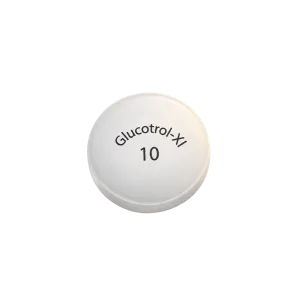
Glucotrol-Xl
Quality products
Fast & Discrete Delivery
Money-back guarantee

Glucotrol-Xl

3.7 (3 customer reviews)
Delivery: 4-7 business days
Payment
24/7 Support
Active ingredient: Glipizide

Free bonus tablets with every order: 4 on any order, 8 over $112.00, 12 over $222.88, 16 over $334.88

256-bit SSL
Certified pharmacy
Money-back guarantee

Glucotrol-Xl releases glipizide gradually, prompting the pancreas to release more of its own insulin and lower blood glucose. It is used with nutrition and activity measures for adults with type 2 diabetes whose pancreas still produces insulin.

Overview

Glucotrol-Xl contains glipizide, a sulfonylurea used to reduce elevated blood glucose in type 2 diabetes mellitus. Glucotrol is a brand name associated with glipizide, while Glucotrol-Xl is the extended-release formulation of the same active substance.

Therapeutic indications

Glucotrol-Xl is prescribed for adults with type 2 diabetes mellitus to improve chronic hyperglycemia alongside an individualized eating pattern and physical activity plan. HbA1c and home glucose readings help assess response. Meal timing and activity patterns affect the risk of low glucose. Follow-up helps determine whether the regimen remains appropriate. It is not used for type 1 diabetes or diabetic ketoacidosis because those conditions require insulin-based management.

Blood glucose targets vary. Age, kidney function, liver function, cardiovascular disease, meal regularity, and prior hypoglycemia all influence treatment goals.

Type 2 Diabetes Treatment Context

Type 2 diabetes develops when insulin production becomes insufficient for the body’s needs and tissues respond less effectively to insulin. Glipizide may be considered when a person still makes enough insulin for pancreatic stimulation to have an effect.

Glucose control is assessed through home readings and laboratory markers such as HbA1c. Persistent high readings may mean that food intake, activity, concurrent illness, or the diabetes regimen needs reassessment.

Insulin-Producing Pancreas Requirement

Diabetes treatment can change over time. A medicine that worked well earlier may need adjustment as insulin production declines or as kidney function, body weight, eating habits, and other treatments change.

Glucotrol-Xl can be useful for selected adults. Hypoglycemia is its meaningful limitation.

How it affects the body

Glipizide and Sulfonylurea Pharmacology

Sulfonylureas act on beta cells in the pancreas. Glipizide closes ATP-sensitive potassium channels on these cells, which triggers insulin release and helps move glucose from the bloodstream into tissues.

This mechanism can lower glucose reliably, yet it also explains the central limitation of Glucotrol-Xl: insulin release can continue when food intake falls.

Reasons not to use it

Urgent assessment is needed for vomiting, dehydration, abdominal pain, rapid breathing, marked weakness, or confusion with high blood glucose. These symptoms can occur with serious metabolic illness and are not managed by taking extra Glucotrol-Xl.

People with repeated severe hypoglycemia may need an alternative treatment plan. A prior reaction to sulfonamide-related medicines should be discussed in clinical context because allergy history can be complex.

Kidney or liver impairment can prolong glipizide’s effect and increase hypoglycemia risk. Older adults may be more vulnerable because low glucose can present as confusion, falls, or sudden fatigue rather than obvious shaking.

When this is not for you

This is NOT for you if you have type 1 diabetes, diabetic ketoacidosis, or a known serious allergy to glipizide or another sulfonylurea. Diabetic ketoacidosis requires urgent medical treatment, often including insulin and fluids.

Glucotrol-Xl also requires careful review when the risk of hypoglycemia is increased.

Tell close contacts that confusion, unusual speech, or sudden irritability can be a low-glucose symptom. Severe hypoglycemia is not always recognized by the person experiencing it.

Possible side effects

The best-known adverse effect of glipizide is hypoglycemia, meaning blood glucose falls too low. It may also cause nausea, diarrhea, constipation, dizziness, headache, or weight gain in some people. [1]

Weight changes are not predictable. Because glipizide increases insulin release, it does not have the appetite-reducing action seen with some newer diabetes treatments.

Common Adverse Effects

Digestive upset may occur early in treatment. Mild dizziness can also occur, especially when meals are delayed or glucose levels fluctuate.

Some people notice more frequent hunger. Others do not experience this effect.

Hypoglycemia Recognition and Immediate Response

Early signs of hypoglycemia can include:

  • sweating or clammy skin;
  • shaking, hunger, or weakness;
  • headache, dizziness, or irritability;
  • palpitations or a fast heartbeat;
  • blurred vision or difficulty concentrating;
  • confusion, unusual behavior, or poor coordination.

Severe hypoglycemia can cause seizure, loss of consciousness, or inability to swallow. Emergency help is required in those situations.

Carry measured glucose tablets or another fast carbohydrate source rather than relying on an unmeasured snack. It makes a low-glucose response more predictable when you are away from home.

After treating a low reading, recheck glucose according to the personal diabetes action plan. Recurrent lows need prompt clinical review because the regimen, meals, activity, or interacting medicines may need adjustment.

Weight Change and Treatment Limitations

Glipizide may contribute to weight gain for some users. It also does not address every health concern linked to type 2 diabetes, such as cardiovascular or kidney risk, which is why clinicians often choose treatment combinations based on the whole medical picture.

Formulation

Glipizide does not supply insulin from outside the body. It signals pancreatic beta cells to release insulin already produced by the pancreas. That distinction matters: the treatment depends on remaining insulin-producing capacity.

Extended-Release Tablet Characteristics

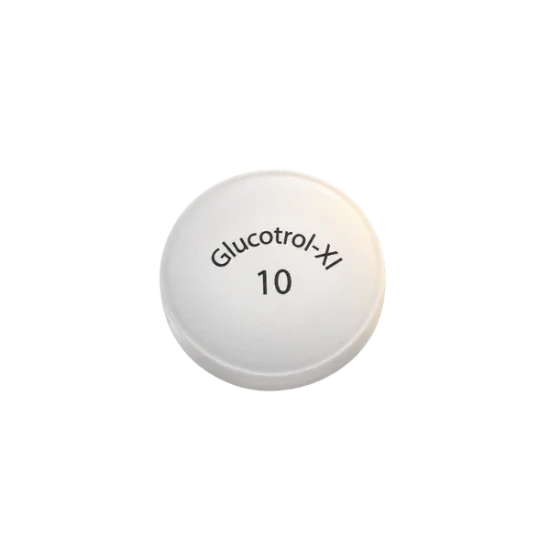
Glipizide Extended Release, also called Glipizide ER, is designed to release medicine gradually through the day. The tablet shell may occasionally be noticed in stool; this can occur with controlled-release tablets and does not mean the dose was not released.

Swallow Glucotrol-Xl whole. Crushing, chewing, or splitting an extended-release tablet can release glipizide too quickly and raise the risk of hypoglycemia.

Dosage and administration

  • Dose: The prescribed dose in mg for the selected Glucotrol-Xl strength is confirmed with a healthcare professional before starting.
  • Frequency: Take by mouth once daily.
  • Timing: Take with breakfast or the first main meal.
  • Duration: Continue for the prescribed treatment period, with follow-up to assess blood glucose response and whether the regimen remains appropriate.
  • Route: Oral use; swallow the extended-release tablet whole.
  • Do not substitute immediate-release glipizide or change the regimen without the prescriber's direction.
  • If a dose is missed, follow the individual prescription instructions and do not double the next dose.

Comparison

Glucotrol-Xl differs from immediate-release glipizide mainly in how the medicine is released. It also differs from metformin, gliclazide, glimepiride, Basaglar, and insulin glargine in mechanism and hypoglycemia profile.

Treatment approach Main action Key consideration
Glucotrol-Xl / Glipizide Extended Release Stimulates pancreatic insulin release Hypoglycemia and weight gain can occur
Metformin Reduces liver glucose output and improves insulin sensitivity Gastrointestinal effects and kidney function influence use
Insulin glargine, including Basaglar Long-acting replacement insulin Requires insulin-specific dosing and monitoring

Extended-Release and Immediate-Release Glipizide

Glucotrol-Xl and immediate-release Glucotrol Tablets share glipizide as the active ingredient. They are not pharmacologically identical in day-to-day release behavior, so a switch should be managed rather than assumed equivalent.

Generic extended-release glipizide provides the same active substance in an extended-release format. Tablet-release technology can differ, which is another reason to keep glucose monitoring consistent after any prescribed change.

Sulfonylurea Alternatives

Gliclazide and glimepiride are also sulfonylureas. Like glipizide, they increase insulin secretion and can cause hypoglycemia.

The choice among sulfonylureas depends on individual response, kidney and liver function, meal regularity, and previous low-glucose events. None is a universal substitute.

Metformin and Insulin-Based Treatment

Metformin is commonly used in type 2 diabetes because it has a different mechanism and low intrinsic hypoglycemia risk. Insulin glargine is long-acting insulin, not a substitute for glipizide on a tablet-for-tablet basis.

The American Diabetes Association emphasizes tailoring diabetes therapy to glycemic needs, hypoglycemia risk, comorbidities, and patient preferences. [2]

Common mistakes

Common Patient Mistakes

  • Taking it without a reliable meal: Pair the dose with breakfast or the first substantial meal.
  • Chewing the tablet: Swallow it whole to preserve extended release.
  • Treating every high reading with extra medicine: Follow the prescribed schedule rather than self-adjusting.
  • Ignoring mild low-glucose symptoms: Test glucose when possible and treat early according to the action plan.
  • Forgetting to report new medicines or supplements: Interaction effects can be missed when the medication list is incomplete.

What doctors say

In clinical practice, prescribers often focus first on the pattern behind glucose readings rather than a single number. Repeated morning highs, lows before lunch, or symptoms after missed meals can point to different adjustments.

Glucotrol-Xl works best when meal timing is steady and glucose monitoring reflects real-life routines. It is less suitable when frequent meal skipping or recurrent unexplained lows make insulin release difficult to predict.

Common questions

Can alcohol be used with Glucotrol-Xl?

Alcohol can increase the chance of hypoglycemia, especially when consumed without food or after heavy activity. It may also make dizziness, impaired judgment, or confusion harder to recognize as low glucose. The FDA's 2011 prescribing information for glipizide advises caution because alcohol can alter glucose control.

Can Glucotrol-Xl be combined with insulin and other diabetes medicines?

Glucotrol-Xl may be used with insulin or non-insulin diabetes treatments when that combination is prescribed. The main concern is additive glucose lowering, which can increase hypoglycemia risk. The American Diabetes Association’s 2025 standards support individualized combination therapy with attention to glucose patterns and treatment burden.

What are the pregnancy and breastfeeding considerations for Glucotrol-Xl?

Diabetes management during pregnancy needs a dedicated plan because glucose targets and medication choices change. Insulin is commonly used when pharmacologic treatment is required during pregnancy, while glipizide use requires individualized obstetric review. LactMed’s 2024 glipizide record discusses limited breastfeeding data and the need to monitor an exposed infant for hypoglycemia. [3]

How long can Glucotrol-Xl be used?

Glucotrol-Xl may be used long term when it continues to improve glucose control without problematic hypoglycemia. Diabetes treatment is reassessed over time because pancreatic insulin production and health needs can change. The WHO's 2023 diabetes guidance describes long-term management as an ongoing process rather than a fixed course.

Which urgent symptoms require medical assessment?

Loss of consciousness, seizure, inability to swallow, severe confusion, or behavior changes require emergency help because they may signal severe hypoglycemia. Vomiting, dehydration, abdominal pain, rapid breathing, and confusion with high glucose also need urgent assessment for serious metabolic illness. The FDA's 2011 labeling identifies severe low glucose as a major safety concern with glipizide therapy.

How should a missed Glucotrol-Xl dose be managed?

A missed Glucotrol-Xl dose should not be replaced by doubling the next scheduled dose. Taking two doses too close together can produce delayed hypoglycemia because the medicine is extended release. The FDA's 2011 instructions for glipizide products support following the prescribed regimen rather than improvising replacement doses.

Do you offer anonymous delivery?

Your order will be securely packed and shipped within 24 hours. This is exactly what your package will look like (images of an actual item sent). It has the size and look of a regular private letter (9.4x4.3x0.3 in.) and its contents cannot be seen.

Comparison

Comparison table: Diabetes

Customer Feedback on Glucotrol-Xl

Ian, 38
Orlando
Verified
Rating: 2 out of 5
I used Glucotrol-Xl with my morning meal, but my readings did not improve as much as expected. I also had several shaky episodes when work made me miss lunch, so I stopped it after discussing those episodes with my clinician.
Nov 15, 2026
Steven B., 52
Las Vegas
Verified
Rating: 5 out of 5
I took Glucotrol-Xl with breakfast and kept a simple glucose log beside the coffee maker. My morning readings became steadier, and the once-daily routine was easy to keep.
Oct 19, 2026
Harry, 28
St. Louis
Verified
Rating: 4 out of 5
I used Glucotrol-Xl as part of a more regular eating routine and noticed fewer high readings after meals. Keeping the tablet next to my breakfast supplies helped me stay consistent.
Nov 2, 2026

Sources

  1. National Institute of Diabetes and Digestive and Kidney Diseases (2021). Low Blood Glucose (Hypoglycemia).
  2. American Diabetes Association (2025). Standards of Care in Diabetes—2025.
  3. National Library of Medicine (2024). Glipizide: Drugs and Lactation Database (LactMed).
Get our free app Shop faster and track your orders 4.0 · 266 reviews Install