Skip to content
Save up to 80% Fast & Discrete Delivery
Gabasign
Quality products
Fast & Discrete Delivery
Money-back guarantee

Gabasign

4 (3 customer reviews)
Delivery: 4-7 business days
Payment
24/7 Support
Active ingredient: Gabapentin

Free bonus tablets with every order: 4 on any order, 8 over $112.00, 12 over $222.88, 16 over $334.88

256-bit SSL
Certified pharmacy
Money-back guarantee

Gabasign tablets or capsules are taken by mouth at regularly spaced times, with or without food, for prescribed nerve-pain or seizure-control treatment. It contains gabapentin, an anticonvulsant that calms excessive nerve signaling linked to neuropathic pain and certain focal seizures.

Overview

Gabasign is a gabapentin-based anticonvulsant medicine used for neuropathic pain and certain focal seizures. It belongs to the anticonvulsant class and calms excessive nerve signaling.

Therapeutic indications

Gabasign is prescribed for neuropathic pain and as part of a seizure-control plan for epilepsy. Neuropathic pain develops when nerves themselves are damaged or become overactive, rather than when tissue inflammation is the main problem.

Neuropathic Pain Indications

Diabetes can injure peripheral nerves over time. Shingles may leave persistent nerve sensitivity after the rash resolves, and spinal cord injury can disrupt normal sensory pathways. These conditions may cause burning, stabbing, tingling, electric-shock sensations, numbness, or pain from light touch.

Gabapentin may reduce the intensity and frequency of these signals, though it does not repair the underlying nerve injury. New one-sided weakness, rapidly spreading numbness, new bladder or bowel changes, or sudden severe back pain require prompt medical assessment rather than a self-directed dose change.

Epilepsy Treatment Role

In epilepsy, Gabasign may be used for focal seizures, often alongside other antiseizure medicines. Consistent dosing matters because fluctuating gabapentin exposure can undermine seizure stability. Sudden discontinuation may increase seizure frequency and can cause withdrawal symptoms in people taking regular treatment. The WHO recognizes epilepsy as a chronic neurological condition requiring continuity of care and individualized treatment planning. NHS guidance also supports individualized treatment and continuity of care for epilepsy. [2]

Keep Gabasign doses linked to fixed daily routines, such as meals or bedtime, rather than relying on pain severity as a reminder.

How it affects the body

Gabapentin moderates excessive nerve activity. It does not block every sensation or act like a conventional anti-inflammatory pain reliever. Instead, it lowers the release of chemical messengers involved in transmitting amplified pain signals and seizure-related electrical activity.

For neuropathic pain, this can mean fewer bursts of burning or shooting discomfort. For epilepsy, it can reduce the tendency of certain brain networks to fire abnormally. Response varies: some people notice steadier sleep or less pain-related disruption before they describe a major reduction in pain intensity.

Gabapentin can help symptoms without removing the original cause of nerve damage.

Reasons not to use it

Gabasign is not for you if you have had a serious allergic reaction to gabapentin or any component of the prescribed formulation.

Extra clinical review is needed for:

  • Kidney disease or dialysis treatment
  • Chronic lung disease, sleep apnea, or reduced breathing reserve
  • Older age with fall risk or recurrent dizziness
  • Current opioid, benzodiazepine, sedative, or sleep-medicine use
  • Pregnancy or breastfeeding
  • Depression, suicidal thoughts, or major changes in behavior

Pregnancy and breastfeeding decisions require individualized assessment because untreated seizures and uncontrolled severe pain also carry health consequences. The EMA product information for gabapentin advises careful benefit-risk evaluation during pregnancy and breastfeeding. [5]

When this is not for you

Do not use Gabasign if you have had a serious allergic reaction to gabapentin or any component of the prescribed formulation. Tell the prescriber if you have kidney problems, breathing or sleep problems, fall risk, take opioid or sedative medicines, are pregnant or breastfeeding, or have depression, suicidal thoughts, or major changes in behavior.

Possible side effects

Sleepiness, dizziness, fatigue, and impaired coordination are among the most common effects of gabapentin. They tend to be more noticeable after treatment begins or after a dose increase. The FDA also identifies peripheral swelling, nausea, tremor, and visual disturbance among reported adverse effects. [3]

Effects to monitor Symptoms needing urgent assessment
Sleepiness, dizziness, fatigue, unsteadiness Breathing difficulty, facial or throat swelling, severe rash
Blurred vision, nausea, ankle swelling Extreme drowsiness, inability to stay awake, marked confusion
Mild concentration difficulty Fever with rash, uncontrolled jerking movements, suicidal thoughts

Common Tolerability Effects

Sleepiness can make an afternoon meeting feel harder than expected. Dizziness may appear when standing quickly, while impaired coordination can show up as bumping into door frames or feeling unsteady on stairs. Older adults and people with reduced kidney function may be more sensitive to these effects.

Do not treat persistent dizziness by skipping doses at random. That creates fluctuating drug levels and can make both pain control and tolerability less predictable.

Serious Symptoms and Urgent Assessment

The risk of respiratory depression rises when gabapentin is combined with opioids, sleep medicines, benzodiazepines, alcohol, or other central nervous system depressants. The FDA issued a safety communication on serious breathing problems with gabapentinoids in people with respiratory risk factors or sedating co-medication. [4]

If a family member is unusually difficult to wake, has shallow breathing, or cannot stay alert after taking Gabasign with another sedating medicine, treat it as an emergency.

Formulation

Gabasign contains gabapentin, a medicine in the anticonvulsant class. Anticonvulsants reduce abnormal electrical activity in the brain and can also dampen amplified pain messages travelling through injured or irritated nerves. Gabasign is used for a specific clinical purpose; it is not a general treatment for every ache or injury.

Presentation Active ingredient Administration note
Gabasign Tablets Gabapentin Swallow whole with water
Gabasign Capsules Gabapentin Swallow whole; do not open unless specifically directed

Active Ingredient and Pharmacological Class

Gabapentin is structurally related to gamma-aminobutyric acid, or GABA, though it does not act directly on GABA receptors. It binds to the alpha-2-delta subunit of voltage-gated calcium channels, reducing release of excitatory neurotransmitters that amplify nerve impulses. The FDA classifies gabapentin as an antiepileptic drug, while its approved and established uses also include several forms of neuropathic pain. [1]

Gabasign is not an opioid. It does not produce immediate nerve numbing, and meaningful symptom control may build gradually as the prescribed regimen is maintained.

Tablet and Capsule Presentations

Gabasign Tablets and Gabasign Capsules contain the same active substance. The prescriber selects the presentation according to the treatment plan, swallowing needs, kidney function, and medicines already being used. Capsules and tablets should not be crushed, chewed, or split unless a prescriber has specifically given that instruction.

A surprisingly common issue is taking doses only when pain flares. Gabapentin works more predictably when taken on the agreed schedule.

Dosage and administration

The dose and frequency of Gabasign depend on the reason for treatment, kidney function, age, response, and other medicines. The amount to use and how often to use it are agreed with a doctor or pharmacist. Gabapentin is eliminated mainly through the kidneys, so reduced kidney function can require a different dosing plan.

Prescription Dosing and Timing

  • Take Gabasign by mouth at the times set in the treatment plan.
  • Swallow the tablet or capsule whole with water.
  • Keep doses evenly spaced across the day when more than one daily dose is prescribed.
  • Antacids containing aluminum or magnesium can reduce gabapentin absorption; separating them by at least two hours is commonly advised.
  • Do not increase the dose for a difficult pain day without prescriber direction.
The first few days after starting or increasing gabapentin are when dizziness may be most noticeable. Avoid ladders, cycling in traffic, and unfamiliar driving routes until you know how you respond.

Missed Doses and Treatment Discontinuation

Take a missed dose when remembered unless the next scheduled dose is close. In that situation, skip the missed dose and continue the usual schedule. Do not take two doses together to compensate.

Several missed doses, a seizure recurrence, or plans to stop treatment need individualized prescriber advice. Withdrawal is usually gradual because abrupt cessation can trigger anxiety, insomnia, nausea, sweating, pain rebound, or seizures in susceptible people.

Administration Mistakes to Avoid

Alcohol can intensify sleepiness, slowed reactions, and poor coordination. Combining Gabasign with sedatives can have the same effect. One practical detail patients often overlook is that blurred focus or delayed balance can occur even when they do not feel clearly sleepy.

Gabasign can be taken with or without food, though taking it consistently in relation to meals may help establish a dependable routine.
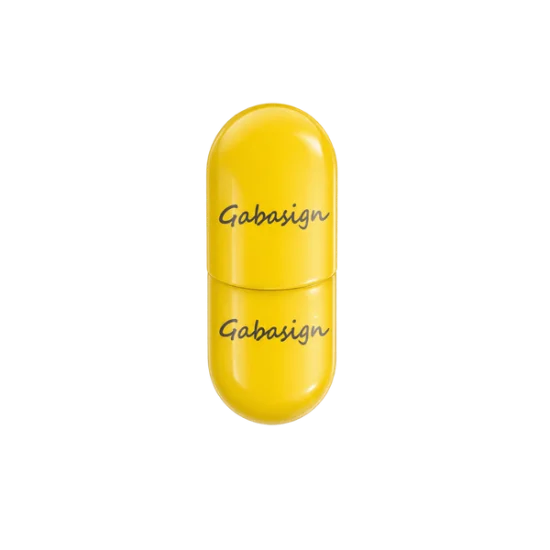
Comparison

Gabasign is a single-ingredient oral gabapentin anticonvulsant that calms excessive nerve signaling, differing from topical approaches that act locally on the skin rather than through systemic treatment.

Common mistakes

Stopping because pain improves is a frequent mistake. Pain control may reflect the ongoing effect of gabapentin rather than resolution of the nerve problem.

Other mistakes include:

  • Doubling a missed dose
  • Driving before knowing whether dizziness occurs
  • Mixing treatment with alcohol to help sleep
  • Assuming Gabasign treats muscle strain, arthritis, or all back pain
  • Changing the schedule without considering kidney function or other sedatives
  • Ignoring new swelling, confusion, fever, or mood changes

What doctors say

In clinical practice, doctors weigh symptom relief against sedation and balance problems. Gabapentin can be valuable for neuropathic pain marked by burning, electric sensations, and sleep disruption, yet it is less likely to help pain driven mainly by inflammation or mechanical strain.

For epilepsy, regular dosing is central to seizure prevention. Clinicians usually look for meaningful functional gains: better sleep, greater mobility, fewer pain interruptions, or fewer seizures. A complete absence of symptoms is not the only useful outcome, but severe drowsiness or unstable walking means the treatment plan needs review.

Common questions

Which symptoms mean I should stop Gabasign and seek urgent medical care?

Breathing difficulty, severe drowsiness, swelling of the face or throat, a widespread rash with fever, or inability to stay awake need urgent assessment. Marked confusion, suicidal thoughts, or uncontrolled jerking movements also require prompt medical attention. The FDA safety communication issued in 2019 highlights breathing risks when gabapentin is combined with opioids or other sedating substances.

Do not take another dose until urgent clinical advice is obtained when a serious allergic or breathing reaction is suspected.

How long does one dose of Gabasign keep working?

Gabapentin’s effect depends on the prescribed schedule, kidney function, and the condition being treated. It is usually used in regularly spaced doses because the body clears it over time and symptom control depends on stable exposure. FDA prescribing information from 2023 describes gabapentin as a medicine requiring individualized dosing rather than an occasional rescue treatment.

Pain relief may feel less immediate than the drug’s presence in the body because nerve signaling can take time to settle.

Can Gabasign be used under age 18?

Gabapentin may be prescribed for certain seizure disorders in children, though suitability depends on age, diagnosis, weight, kidney function, and the complete treatment plan. Use for neuropathic pain in younger people needs specialist-led assessment because the evidence and licensed indications differ by setting. The WHO’s epilepsy resources, updated in 2023, emphasize individualized antiseizure management for children and adolescents.

Behavioral changes, unusual agitation, and excessive sleepiness deserve close attention in younger patients.

Does Gabasign cause drowsiness?

Yes. Sleepiness, dizziness, fatigue, and reduced coordination are well-recognized effects of gabapentin, especially early in treatment or after a dose adjustment. FDA prescribing information from 2023 lists somnolence and dizziness among common adverse reactions. Avoid driving, operating machinery, or tasks requiring quick balance until your response is clear.

Alcohol and sedating medicines can make drowsiness much stronger.

Can diet, exercise, or daily habits affect how Gabasign works?

Gabasign can be taken with or without food, though taking it consistently in relation to meals may help establish a dependable routine. Regular gentle movement, foot care in diabetes, sleep routines, and avoidance of alcohol can support pain management and reduce fall risk. The EMA product information from 2022 advises separating gabapentin from aluminum- or magnesium-containing antacids because these products can lower gabapentin absorption.

Exercise should be adapted if dizziness or poor coordination is present.

What should I do after missing a dose of Gabasign?

Take the missed dose when remembered unless the next planned dose is near. If the next dose is close, skip the missed dose and continue normally; do not double up. The FDA prescribing guidance from 2023 supports avoiding extra doses because this can raise the risk of sedation and impaired coordination.

Several missed doses need individualized advice, especially when Gabasign is being used for epilepsy.

What should I do if Gabasign does not provide the expected result?

Do not raise the dose independently or stop suddenly. A prescriber may review the diagnosis, adherence, kidney function, coexisting sleep problems, interacting medicines, and whether the pain is truly neuropathic. NICE guidance on neuropathic pain, published in 2020, supports regular treatment review when benefit is limited or adverse effects interfere with daily function.

Bring a short record of pain patterns, sleep disruption, dizziness, and missed doses to that review. It gives the clinician more useful information than a single pain score.

Do you offer anonymous delivery?

Your order will be securely packed and shipped within 24 hours. This is exactly what your package will look like (images of an actual item sent). It has the size and look of a regular private letter (9.4x4.3x0.3 in.) and its contents cannot be seen.

Customer Feedback on Gabasign

Daniel, 62
Jacksonville
After several weeks
Verified
Rating: 5 out of 5
I used Gabasign for burning pain in both feet that had been waking me before dawn. After several weeks, I slept through most nights and could take my morning walks without stopping repeatedly. The improvement felt gradual, but it made daily life easier.
Nov 16, 2026
Gareth, 46
Las Vegas
Several months
Verified
Rating: 5 out of 5
I took Gabasign as part of my seizure treatment plan for several months. I had fewer episodes of the sudden tingling and warning sensations that used to interrupt work. Keeping the doses at the same times each day made the routine simple.
Oct 18, 2026
Mark, 58
Atlanta
Verified
Rating: 2 out of 5
I stopped Gabasign after feeling too unsteady and foggy during the day. The nerve pain changed only a little for me, while the dizziness made stairs difficult. My doctor reviewed the reaction and changed my treatment plan.
Oct 31, 2026

Sources

  1. FDA (2023). Neurontin (gabapentin) Prescribing Information.
  2. World Health Organization (2023). Epilepsy Fact Sheet.
  3. FDA (2023). Gabapentin: Drug Safety and Prescribing Information.
  4. FDA (2019). FDA Warns About Serious Breathing Problems with Seizure and Nerve Pain Medicines Gabapentin and Pregabalin.
  5. European Medicines Agency (2022). Gabapentin: Summary of Product Characteristics.
Get our free app Shop faster and track your orders 4.0 · 266 reviews Install