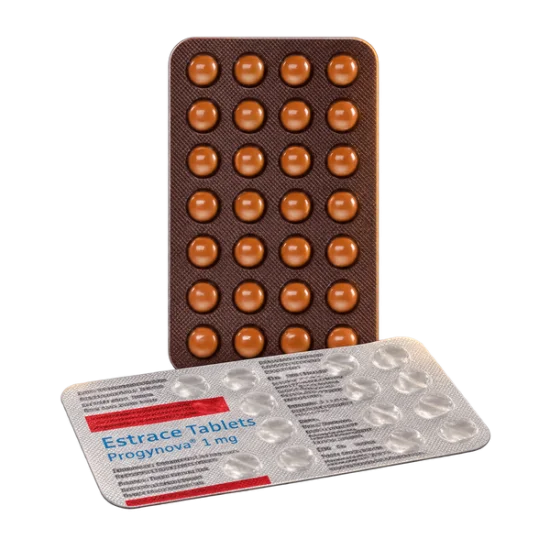
Estrace
4.2 (3 customer reviews)Estrace is prescribed for women with moderate to severe menopausal symptoms, including hot flashes and vaginal discomfort. It replaces estrogen that declines after menopause and also helps limit postmenopausal bone loss.
Overview
Estradiol, the active ingredient of Estrace, is a bioidentical estrogen used in menopausal hormone therapy.
Therapeutic indications
Management of Menopausal Symptoms
Menopause-related hot flashes and night sweats develop partly because reduced estrogen affects temperature-control pathways in the hypothalamus. Small shifts in body temperature can then trigger sudden heat, flushing, perspiration, and sleep interruption. Estradiol can widen that temperature-neutral zone and reduce the frequency or intensity of vasomotor symptoms.
Vaginal dryness, burning, itching, pain during sex, and urinary discomfort may reflect genitourinary syndrome of menopause. Estrogen loss makes vaginal tissue thinner, less elastic, and less able to maintain normal moisture and acidity. Estradiol supports maturation of vaginal epithelial cells and can improve tissue resilience over time.
Vasomotor Symptom Reduction
In clinical practice, women often describe the first benefit as fewer night sweats or waking less often drenched in sweat. Sleep may improve secondarily when repeated overnight temperature surges settle.
Hormone therapy remains the most effective treatment for bothersome vasomotor symptoms in appropriately selected menopausal women, according to the North American Menopause Society. [2]
Restoration of Urogenital Integrity
Estradiol supports blood flow, collagen formation, and glycogen-rich vaginal cells. Glycogen helps support lactobacilli, bacteria that contribute to a healthy vaginal environment. This can reduce friction-related discomfort and may ease recurrent irritation linked to postmenopausal tissue changes.
How it affects the body
Estradiol enters cells and binds to estrogen receptors, mainly estrogen receptor alpha and estrogen receptor beta. These receptors influence gene activity in tissues such as the brain, vagina, skin, bone, breasts, liver, and uterus. The result is not an instant symptom switch; hormone-responsive tissues gradually change their signaling and tissue maintenance patterns. The FDA describes estradiol as systemic estrogen therapy for approved menopausal indications. Clinical response varies according to the treatment route, dose, symptoms, and individual medical history. [1]
Pharmacological Profile of Estradiol
Estrogen receptors act like cellular control points. Once estradiol binds to them, the receptor complex can alter production of proteins involved in temperature regulation, vaginal lubrication, collagen maintenance, and bone remodeling.
Estrace is a prescription hormone treatment, not a general wellness supplement.
Reasons not to use it
Estrace is not for you if you have undiagnosed abnormal genital bleeding, known or suspected estrogen-dependent cancer, active or previous blood clots, stroke, heart attack, liver disease, or a known serious allergy to estradiol.
Medicines that induce liver enzymes, such as carbamazepine, phenytoin, rifampin, and St. John’s wort, may reduce estradiol exposure. Some antifungals, macrolide antibiotics, and HIV medicines may increase estrogen exposure. Grapefruit can also affect estrogen metabolism in some people.
When this is not for you
It is also unsuitable during pregnancy. People with a history of breast cancer, endometrial cancer, migraine with aura, high triglycerides, gallbladder disease, systemic lupus erythematosus, or hereditary clotting disorders need individualized prescribing decisions.
Possible side effects
Common effects can include breast tenderness, nausea, headache, bloating, fluid retention, leg cramps, and changes in vaginal discharge. These effects may lessen as the body adjusts, though persistent symptoms should be assessed rather than ignored.
Seek urgent medical care for symptoms suggestive of a clot, stroke, or serious allergic reaction:
- New chest pain, shortness of breath, or coughing blood
- Sudden one-sided leg pain, warmth, swelling, or redness
- Sudden severe headache, fainting, confusion, weakness, or speech difficulty
- New vision loss or major visual disturbance
- Swelling of the lips, tongue, or throat
Formulation
Estrace contains estradiol, a form of estrogen that is chemically identical to the main estrogen produced by the ovaries before menopause. It is used when falling estrogen levels cause disruptive vasomotor symptoms, vulvovaginal changes, or increased bone turnover.
Dosage and administration
- Dose: Administer the prescribed Estrace strength; the exact amount in mg or mL is confirmed with a healthcare professional before starting.
- Frequency: Follow the prescribed number of administrations per day; the frequency for the chosen strength is confirmed with a healthcare professional.
- Timing: Follow the prescribed time of day and meal instructions; these instructions are confirmed with a healthcare professional.
- Duration: Continue for the prescribed duration, with the treatment period confirmed with a healthcare professional.
- Route: Administer Estrace by the prescribed route; the product form and route are confirmed with a healthcare professional.
Comparison
Estrace uses bioidentical estradiol, meaning its molecular structure matches endogenous human estradiol. Synthetic estrogens and conjugated equine estrogens differ in chemical composition and receptor activity. Phytoestrogens are plant compounds with weak estrogen-like activity and do not provide the same predictable therapeutic effect as prescribed estradiol.
The EMA and other major medicines regulators treat menopausal hormone therapy as individualized care rather than a one-size-fits-all approach. Route, uterine status, symptom burden, age, and clotting history shape the choice of therapy. [5]
Common mistakes
Several avoidable issues can make estradiol therapy less successful or less safe:
- Starting without confirming whether progesterone or a progestin is needed for endometrial protection.
- Ignoring postmenopausal bleeding because it seems minor.
- Stopping suddenly after long-term use and being surprised by a return of hot flashes.
- Omitting a complete medication list, including seizure medicines, antibiotics, antifungals, and herbal products.
- Treating new calf pain, chest symptoms, or sudden neurologic symptoms as unrelated discomfort.
- Using estrogen to manage symptoms while overlooking sleep, activity, smoking, and alcohol habits that can intensify hot flashes.
What doctors say
Clinicians usually focus first on the symptom pattern. Frequent hot flashes, night sweats that disrupt sleep, painful intercourse related to vaginal atrophy, and rapid bone loss after menopause point toward different treatment goals.
A common clinical mistake is expecting estrogen to improve every symptom immediately. Hot flashes may improve before sleep and mood recover, while vaginal tissue changes may take longer to become noticeable. Doctors also look for new bleeding, persistent breast pain, severe headaches, blood-pressure changes, and clot symptoms at follow-up visits.
The aim is the lowest effective estrogen exposure for the shortest duration consistent with the treatment goal, with periodic reassessment of whether therapy remains appropriate.
Common questions
What happens if I stop Estrace, and should it be tapered?
Stopping Estrace can allow hot flashes, night sweats, sleep disruption, or vaginal symptoms to return. Some women stop without major difficulty, while others experience a recurrence within weeks or months. The FDA's 2012 prescribing information recognizes that estrogen treatment should be reassessed periodically, and a clinician may suggest gradual dose reduction for women who have used systemic therapy for a prolonged period. Tapering does not guarantee that symptoms will not return, but it can make the transition easier for some patients.
Which symptoms mean I should stop Estrace and seek urgent medical care?
Sudden chest pain, shortness of breath, coughing blood, one-sided leg swelling, sudden weakness, severe headache, speech changes, or vision loss need urgent assessment because they can signal a clot, stroke, or other serious event. New postmenopausal vaginal bleeding also needs prompt evaluation because unopposed estrogen can stimulate the endometrium. The FDA's 2012 warning information for estradiol lists thrombotic and cardiovascular risks that warrant attention. Do not restart treatment after a serious suspected reaction until a clinician has assessed the cause.
How should Estrace be stored at home and while traveling?
Store Estrace at controlled room temperature, away from excess heat, moisture, and direct sunlight. A bathroom cabinet can be a poor choice because steam and temperature swings are frequent. During travel, keep the medicine in a secure carry-on bag rather than leaving it in a hot vehicle or checked luggage. The FDA's 2012 Estrace labeling emphasizes protecting the medicine from heat, humidity, and accidental access by children.
What should I do after a missed dose of Estrace?
Take the missed dose when remembered unless it is close to the next planned dose. If the next dose is near, skip the missed dose and resume the usual schedule. Do not take two doses together to compensate, because doubling estrogen exposure can increase nausea, breast tenderness, headache, or breakthrough bleeding. The 2012 FDA prescribing information provides the product-specific dosing framework, while a healthcare professional should confirm the regimen because plans vary by indication and individual medical history.
Which diet, exercise, and habits can help or hinder Estrace results?
Regular physical activity supports bone strength, sleep quality, mood, and cardiovascular health during menopause. Smoking can worsen hot flashes and is linked to a higher risk of cardiovascular disease and blood clots, which matters when evaluating estrogen therapy. Alcohol, spicy foods, hot drinks, and warm bedrooms trigger hot flashes for some women, so a symptom diary can identify personal patterns. The 2024 NICE menopause guidance supports lifestyle measures alongside treatment choices, while recognizing that they do not replace indicated therapy for significant symptoms.
Do you offer anonymous delivery?
Your order will be securely packed and shipped within 24 hours. This is exactly what your package will look like (images of an actual item sent). It has the size and look of a regular private letter (9.4x4.3x0.3 in.) and its contents cannot be seen.
Prevention of Postmenopausal Osteoporosis
Estrogen decline accelerates bone remodeling after menopause. Osteoclasts, the cells that break down old bone, can become more active than osteoblasts, the cells that build new bone. Over time, this imbalance lowers bone mineral density and raises fracture risk.
Estradiol slows excessive osteoclast activity and helps preserve bone mass. Estrace may be prescribed for prevention of postmenopausal osteoporosis when non-estrogen options are unsuitable and the individual risk-benefit assessment supports hormone therapy.
Bone protection is a meaningful benefit, though estrogen is not automatically the first choice for every woman at fracture risk. The U.S. Preventive Services Task Force advises against using systemic hormone therapy solely to prevent chronic conditions in postmenopausal women because treatment decisions must account for risks as well as benefits. [3]
Integration Within Hormone Replacement Therapy
Hormone Replacement Therapy, often shortened to HRT or menopausal hormone therapy, can use estradiol through oral, transdermal, or vaginal routes. The best route depends on the symptoms being treated, medical history, and whether systemic estrogen exposure is needed.
Estrace provides estradiol therapy. Transdermal estradiol patches and gels deliver estrogen through the skin, while vaginal estradiol products are directed toward local urogenital symptoms. Oral estrogen undergoes first-pass metabolism in the liver, which may influence triglycerides, clotting proteins, and drug interactions.
Women with an intact uterus usually need a progestin or progesterone alongside systemic estradiol. This protects the endometrium from prolonged estrogen stimulation.
Safety Profile and Contraindications
Estrace can provide substantial symptom relief, yet systemic estrogen has clinically significant risks. The FDA labeling for estradiol includes warnings about endometrial cancer, cardiovascular events, breast cancer, venous thromboembolism, dementia in certain older women, and gallbladder disease. Risk varies with age, dose, duration, route, concurrent progestin use, and personal medical history. [4]
Endometrial Protection Protocols
Unopposed systemic estrogen stimulates the endometrium, the lining of the uterus. Over time, this may cause endometrial hyperplasia and raise the risk of endometrial cancer. For women who still have a uterus, clinicians commonly add progesterone or a progestin to counterbalance this effect.
Unexpected vaginal bleeding after menopause needs medical assessment. It should not be assumed to be a routine hormone effect, even if bleeding is light or intermittent.
Customer Feedback on Estrace
Sources
- Food and Drug Administration (2012). ESTRACE® (estradiol tablets, USP) prescribing information.
- The North American Menopause Society (2022). The 2022 hormone therapy position statement of The North American Menopause Society.
- U.S. Preventive Services Task Force (2022). Hormone therapy for the primary prevention of chronic conditions in postmenopausal persons: US Preventive Services Task Force recommendation statement.
- Food and Drug Administration (2012). ESTRACE® (estradiol tablets, USP) boxed warning and warnings and precautions.
- National Institute for Health and Care Excellence (2024). Menopause: identification and management (NG23).