Skip to content
Save up to 80% Fast & Discrete Delivery
Covimectin
Quality products
Fast & Discrete Delivery
Money-back guarantee

Covimectin

3.6 (4 customer reviews)
Delivery: 4-7 business days
Payment
24/7 Support
Active ingredient: Ivermectin

Free bonus tablets with every order: 4 on any order, 8 over $112.00, 12 over $222.88, 16 over $334.88

256-bit SSL
Certified pharmacy
Money-back guarantee

Adults and children who have a confirmed susceptible parasitic infection may be prescribed Covimectin, an oral ivermectin treatment. Ivermectin targets parasite nerve and muscle signaling, helping eliminate organisms responsible for infections such as strongyloidiasis and onchocerciasis.

Overview

Covimectin contains ivermectin, an antiparasitic agent from the macrocyclic lactone class. It is used against selected parasitic worm infections and some parasite-related skin infestations when an oral treatment is clinically appropriate.

Therapeutic indications

Ivermectin is used for parasitic disease, not general digestive symptoms or unexplained rashes. The intended condition determines whether oral ivermectin is suitable and whether repeat treatment is needed.

Common clinical uses include:

  • Strongyloidiasis: intestinal infection caused by Strongyloides stercoralis, a parasitic roundworm.
  • Onchocerciasis: also called river blindness, caused by Onchocerca volvulus and transmitted through blackfly bites.
  • Scabies: a skin infestation caused by Sarcoptes scabiei mites, where oral therapy may be selected for severe, widespread, recurrent, or outbreak-associated disease.
  • Head lice infections: oral ivermectin may be used in selected situations when topical approaches are unsuitable or unsuccessful.
  • Other susceptible helminth infections: treatment depends on the parasite species and local clinical guidance.
Condition Main treatment target Role of oral ivermectin
Strongyloidiasis Intestinal roundworm Systemic treatment for susceptible infection
Onchocerciasis Microfilariae in skin and eyes Reduces microfilarial burden
Scabies or head lice Mites or lice Used when oral therapy is clinically selected

The World Health Organization includes ivermectin in public-health strategies for several neglected tropical diseases, including onchocerciasis and strongyloidiasis-related control programs [2]. The European Medicines Agency (EMA) and the National Institute for Health and Care Excellence (NICE) are additional sources for medicine-safety and clinical-guidance information.

Scabies management often fails because close physical contacts are not assessed at the same time. Re-exposure can look like treatment failure.

How it affects the body

Ivermectin binds to glutamate-gated chloride channels found in invertebrates. This increases chloride movement into parasite nerve and muscle cells, causing paralysis and death of susceptible parasites. Humans do not have these channels in the same locations, which helps create treatment selectivity. FDA prescribing information describes ivermectin as active against specific nematodes and ectoparasites rather than bacteria, fungi, or viruses [1].

Reasons not to use it

  • pregnancy, unless the expected benefit clearly outweighs potential risk;
  • breastfeeding, because ivermectin can pass into breast milk;
  • liver disease or a history of abnormal liver tests;
  • conditions affecting the brain or nervous system;
  • a weakened immune system, especially with strongyloidiasis;
  • possible exposure to Loa loa infection, where high microfilarial levels may increase the risk of serious neurological reactions;
  • young children whose body weight falls below the threshold used in clinical prescribing guidance.

Relevant interaction concerns include:

  • Warfarin: changes in anticoagulant response have been reported, so INR monitoring may be needed.
  • Sedatives and central nervous system depressants: medicines that cause drowsiness may add to dizziness or impaired coordination.
  • GABAergic medicines: clinical caution is sensible because ivermectin has neuroactive effects at high exposure.
  • Strong CYP3A4 or P-glycoprotein inhibitors: these may increase ivermectin concentrations.
  • Alcohol: alcohol can worsen dizziness, nausea, or poor coordination during treatment.

When this is not for you

Covimectin is not for you if you have had a serious allergic reaction to ivermectin or another component of the treatment.

Symptoms of strongyloidiasis can be subtle. In people receiving corticosteroids, chemotherapy, transplant medicines, or other immune-suppressing treatment, untreated infection can become severe and disseminated. This is one reason clinicians may investigate the infection carefully before choosing a regimen.

Mention planned steroid treatment, transplant medication, or immune-suppressing therapy before starting ivermectin. Strongyloidiasis behaves differently when immunity is reduced.

Possible side effects

Most ivermectin reactions are mild and temporary, though tolerability depends on the infection being treated and the parasite load. Dizziness, headache, nausea, vomiting, diarrhea, constipation, fatigue, and abdominal discomfort may occur.

Some symptoms arise from the immune response to dying parasites rather than from ivermectin alone. This distinction matters in onchocerciasis, where a Mazzotti reaction may cause itching, rash, fever, swollen lymph nodes, joint discomfort, fast heartbeat, or low blood pressure.

Potential reactions include:

  • dizziness or sleepiness;
  • headache;
  • nausea or vomiting;
  • diarrhea or constipation;
  • reduced appetite;
  • weakness;
  • rash or itching;
  • temporary worsening of inflammatory symptoms after parasite death.
Plan the first dose for a day when driving, climbing ladders, or operating machinery can be avoided if dizziness develops.

Serious reactions need prompt assessment. Seek urgent medical care for facial swelling, trouble breathing, fainting, confusion, severe weakness, seizures, major vision changes, or a rapidly spreading blistering rash.

People treated for onchocerciasis may need clinical monitoring because inflammatory reactions can be intense when microfilariae die. The FDA’s ivermectin prescribing information describes Mazzotti-type reactions and rare serious neurological events in susceptible settings [1].
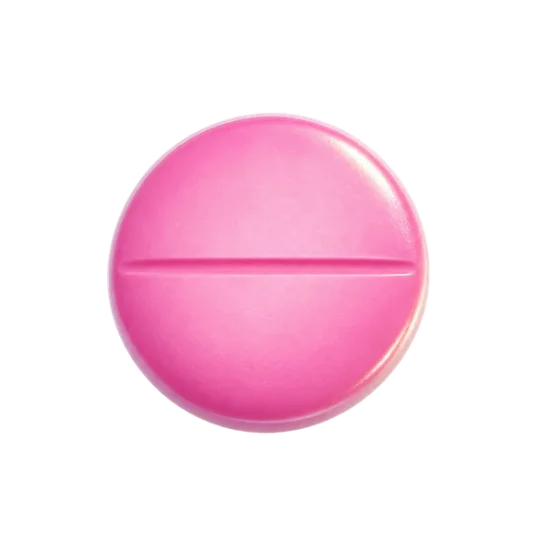
Formulation

A useful practical detail: ivermectin does not remove every cause of itching. Itching can persist for a period after parasite treatment because skin inflammation may outlast the organism itself.

Take only the individualized amount prescribed for the diagnosed parasite. Ivermectin dosing is commonly based on body weight, infection type, and the expected parasite burden.

Dosage and administration

Covimectin is taken by mouth with water. The amount per intake is set individually for each person rather than being one fixed number.

For oral ivermectin, the prescriber may base the regimen on:

  • body weight;
  • confirmed parasite or infestation;
  • severity and location of infection;
  • immune status;
  • other medicines being used;
  • need for follow-up testing or repeat therapy.

Ivermectin tablets are generally taken on an empty stomach with water. Food can increase ivermectin absorption, which may make blood levels less predictable.

Choose a consistent fasting window for the dose. Taking it with a large meal can alter absorption and is not the standard approach described in FDA prescribing information.

If a dose is missed, do not take an extra amount to compensate. The right next step depends on whether treatment was intended as a single administration, a repeat schedule, or a longer regimen for a specific parasitic infection.

Tablets should be swallowed whole unless a prescriber gives different instructions. Avoid sharing treatment with household members, even when symptoms seem similar. Similar-looking skin symptoms can have very different causes.

Comparison

Covimectin and other antiparasitic options are selected by organism, infection location, and clinical context. A medicine that works well for one helminth may have little role in another parasitic disease.

Treatment approach Main activity Typical clinical role
Ivermectin Strongyloides, onchocerciasis, scabies, lice Parasite-specific oral treatment
Albendazole Several intestinal helminths and tissue parasites Broad-spectrum deworming for susceptible worms
Permethrin Scabies mites and head lice Topical treatment for skin or hair infestation

Albendazole works by disrupting parasite microtubules and glucose use. It is often selected for helminths that are not reliably treated with ivermectin. Permethrin acts on parasite sodium channels and is applied to the skin or hair, making it useful when a localized topical treatment is preferred.

The closest alternative to oral ivermectin for scabies is often a topical scabicide, while strongyloidiasis management relies on systemic antiparasitic therapy. The CDC’s parasitic disease guidance distinguishes treatment choices by the organism and site of infection rather than by symptom alone [3].

Common mistakes

  • Taking a repeat dose too soon because itching has not disappeared immediately.
  • Using oral ivermectin for a rash that has not been diagnosed as scabies.
  • Taking the medicine after a heavy meal instead of following the prescribed fasting schedule.
  • Missing the need for follow-up testing after treatment for strongyloidiasis.
  • Ignoring household or close-contact assessment in confirmed scabies.
  • Combining the treatment with sedating medicines or alcohol without considering added dizziness.
  • Assuming one antiparasitic medicine covers every intestinal worm.

A frequent misconception is that continued itch always means live scabies mites remain. Skin irritation, allergic inflammation, and scratching can continue after successful treatment.

What doctors say

In clinical practice, doctors focus first on identifying the parasite. A stool test, skin examination, travel history, exposure pattern, or targeted blood testing may be more useful than treating symptoms alone.

Physicians also separate persistent symptoms from persistent infection. After scabies treatment, itching may continue while the skin barrier settles. After strongyloidiasis treatment, follow-up testing may be needed because symptom improvement alone does not always confirm eradication.

A clinician will usually expect adherence to the fasting instruction, accurate weight-based prescribing, and a clear review of immune-suppressing medicines. Those details influence both benefit and risk.

Common questions

How long does a Covimectin course last, and is long-term use acceptable?

Course length depends on the parasite, body weight, infection severity, and whether repeat treatment is needed. Some ivermectin regimens involve a single administration, while others require a planned repeat dose or follow-up strategy. FDA prescribing information published in 2009 describes different regimens for different parasitic indications rather than one universal course. Long-term repeated use should only occur when a clinician has a clear parasitic indication and monitoring plan. The prescriber should define the monitoring plan before treatment starts.

What happens if I stop Covimectin, and does it need tapering?

Ivermectin does not usually require tapering because it is not a medicine that causes physical dependence. Stopping before the intended regimen is complete may leave an infection insufficiently treated. WHO parasitic-disease programs published in 2017 emphasize that treatment schedules are linked to the biology of the target parasite. If treatment causes concerning neurological, allergic, or severe gastrointestinal symptoms, urgent medical assessment takes priority over completing a dose schedule.

What should I do if the expected result does not happen?

Persistent symptoms do not automatically mean ivermectin failed. Itching after scabies may reflect post-scabetic inflammation, while intestinal symptoms may have causes unrelated to parasites. CDC guidance published in 2024 supports reassessment based on the original diagnosis, exposure risk, test results, and possibility of reinfection. Do not add extra doses without determining whether the parasite, timing, or diagnosis needs review.

What should I do after a missed dose?

Do not double the next dose. The correct approach depends on whether the prescribed plan involved one administration, a repeat schedule, or treatment for an infection needing laboratory follow-up. FDA prescribing guidance published in 2009 provides condition-specific schedules, which is why a missed dose cannot be handled with one rule for every person. Contact the prescriber who set the regimen for an individualized next step.

How does Covimectin differ from albendazole?

Covimectin contains ivermectin, which affects parasite chloride channels and is used for susceptible infections such as strongyloidiasis, onchocerciasis, scabies, and some lice cases. Albendazole disrupts parasite microtubules and is used for a different spectrum of helminth infections. The WHO’s 2017 guidance treats these medicines as condition-specific tools rather than interchangeable deworming tablets. The better option depends on the identified parasite and the site of infection.

Do you offer anonymous delivery?

Your order will be securely packed and shipped within 24 hours. This is exactly what your package will look like (images of an actual item sent). It has the size and look of a regular private letter (9.4x4.3x0.3 in.) and its contents cannot be seen.

Customer Feedback on Covimectin

Richard, 53
Orlando
Verified
Rating: 2 out of 5
I took the prescribed course, but my stomach symptoms did not improve the way I expected. I later discussed it with my clinician and needed further testing to find the cause.
Nov 6, 2026
Adam, 30
San Antonio
The next couple of weeks
Verified
Rating: 4 out of 5
I used the prescribed ivermectin schedule and followed the household cleaning steps at the same time. The nighttime itching settled over the next couple of weeks, and I was satisfied with the result.
Nov 11, 2026
Simon Z., 60
Raleigh
Verified
Rating: 4.5 out of 5
I completed the treatment plan and attended the follow-up appointment that had been arranged. My digestive discomfort eased gradually, and the repeat assessment was reassuring.
Oct 13, 2026
Peter, 46
Boston
After the treatment period
Verified
Rating: 4 out of 5
The oral treatment fit the plan my clinician gave me, and the itching became much more manageable after the treatment period. I was pleased that I could sleep normally again.
Oct 27, 2026

Sources

  1. FDA (2009). STROMECTOL (ivermectin) tablets, for oral use: Prescribing Information.
  2. WHO (2017). Guideline on Preventive Chemotherapy to Control Soil-Transmitted Helminth Infections in At-Risk Population Groups.
  3. Centers for Disease Control and Prevention (2024). Parasites: Strongyloides.
Get our free app Shop faster and track your orders 4.0 · 266 reviews Install