Skip to content

Black Friday +8 free tablets with every order Nov 19 – Dec 2

Save up to 80% Fast & Discrete Delivery
Antabuse (disulfiram)
Quality products
Fast & Discrete Delivery
Money-back guarantee

Antabuse (disulfiram)

4.3 (4 customer reviews)
Delivery: 4-7 business days
Payment
24/7 Support
Active ingredient: Disulfiram

Black Friday +8 free tablets with every order until Dec 2

256-bit SSL
Certified pharmacy
Money-back guarantee

Adults with alcohol use disorder who have chosen alcohol abstinence may use Antabuse (disulfiram) within a clinician-directed recovery plan. Antabuse contains disulfiram, which blocks alcohol breakdown and creates an unpleasant reaction after alcohol exposure, reinforcing the decision not to drink.

Overview

Alcohol use disorder is a medical condition involving impaired control over alcohol use, continued drinking despite harm, or both. Alcohol dependence and alcoholism are older terms that may still appear in medical records. None of these terms describe a personal failing.

Clinical role of disulfiram

Disulfiram is selected when a person understands the alcohol reaction and agrees to maintain alcohol abstinence. It works best when tablet-taking is reliable and when counseling, behavioral treatment, or support groups are part of the wider plan. The National Institute on Alcohol Abuse and Alcoholism describes medication as one element of treatment, alongside behavioral care and follow-up [1].

Abstinence-based treatment goals

Antabuse does not make alcohol use harmless. Its role is to support a clear abstinence goal by creating a consequence that is difficult to ignore.

Therapeutic indications

Antabuse supports alcohol abstinence by making alcohol consumption physically unpleasant. It does not remove alcohol cravings, cure alcohol dependence, or reverse the health effects of long-term alcohol use. It also does not manage alcohol detoxification or acute alcohol withdrawal.

Recovery plans may include counseling, relapse-prevention work, peer support, management of depression or anxiety, and regular medical follow-up. The right approach depends on abstinence goals, liver health, other conditions, adherence reliability, and patient preference.

How it affects the body

Alcohol is first converted into acetaldehyde. Aldehyde dehydrogenase is the enzyme that normally breaks acetaldehyde down further into acetate, which the body can process more easily. Disulfiram blocks aldehyde dehydrogenase.

When alcohol enters the body during Antabuse treatment, acetaldehyde can build up quickly. This buildup causes the disulfiram–alcohol reaction. It is a predictable pharmacological effect, not an alcohol allergy.

The reaction can be intense. Its severity varies with the amount of alcohol, timing of the last dose, individual health, and other factors.

Do not test Antabuse by deliberately drinking alcohol. A small amount can still produce flushing, vomiting, rapid heartbeat, low blood pressure, or breathing difficulty.

Reasons not to use it

It is also unsuitable without individualized prescriber review in severe heart disease, psychosis, significant liver disease, pregnancy, or breastfeeding.

Disulfiram is not a treatment for alcohol withdrawal. Withdrawal can cause tremor, agitation, seizures, hallucinations, or delirium and may need medically supervised detoxification.

When this is not for you

This medication is NOT for you if you have a known disulfiram allergy or have recently consumed alcohol or an alcohol-containing preparation.

Possible side effects

Antabuse can cause mild effects even without alcohol exposure. Fatigue, drowsiness, headache, metallic or garlic-like taste, skin rash, stomach upset, and reduced sexual interest have been reported. These effects may settle, though persistent symptoms deserve clinical review.

Liver injury is a serious concern. Symptoms such as yellowing of the skin or eyes, dark urine, persistent nausea, upper abdominal pain, unusual tiredness, or loss of appetite need prompt medical evaluation. Clinicians may arrange liver assessment before treatment and during follow-up.

More common effects Urgent symptoms
Headache, fatigue, drowsiness Yellow skin or eyes, dark urine
Metallic taste, nausea, stomach upset Severe rash, swelling, or breathing difficulty
Mild skin eruption Confusion, hallucinations, numbness, weakness

Peripheral neuropathy is uncommon but serious. New tingling, burning pain, numbness, poor balance, or weakness should not be ignored. The FDA label also describes rare psychiatric symptoms, including confusion and psychotic reactions, in susceptible individuals [2].
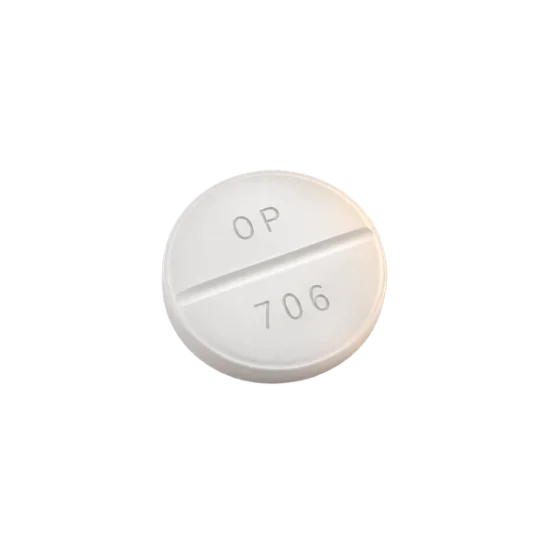
Formulation

Antabuse contains disulfiram as its active substance and is taken orally as tablets. The exact regimen depends on the chosen strength and is confirmed with a healthcare professional before treatment begins.

Dosage and administration

Antabuse (disulfiram) is taken orally as tablets under clinician direction. The regimen for the chosen strength is confirmed with a healthcare professional before starting. Treatment begins only after an alcohol-free period and an assessment of withdrawal risk, medical history, medicines, and treatment goals.

Tablets are commonly taken once daily, though the timing and exact regimen are individualized. Taking more than prescribed does not strengthen recovery support and can increase adverse effects.

For routine use:

  • Take the prescribed tablet dose at the same time each day.
  • Swallow tablets as directed by the prescriber.
  • Do not alter the dose independently.
  • Do not double a missed dose.
  • Keep alcohol avoidance in place during treatment and after discontinuation.

A supervised dosing arrangement can help when adherence is difficult. Some people link the daily tablet to a stable habit such as breakfast, while avoiding alcohol-containing liquid products used in the morning.

Comparison

These medicines have different mechanisms and treatment goals. No single option is best for every person with alcohol use disorder.

Medicine Main role Key limitation
Disulfiram Creates a deterrent reaction if alcohol is consumed Requires strict alcohol avoidance and reliable dosing
Naltrexone May reduce alcohol reward and cravings for some people Requires opioid-use screening and liver review
Acamprosate Supports maintenance of abstinence after stopping alcohol Requires multiple daily doses and kidney review

Disulfiram is aimed at preventing drinking through deterrence. Naltrexone may be useful when reducing cravings or heavy-drinking episodes is a major goal. Acamprosate is often considered for maintaining abstinence after alcohol cessation.

The Substance Abuse and Mental Health Services Administration describes all three as evidence-based medication options whose selection should reflect medical history, treatment goals, and concurrent substance use [4].

Common mistakes

Several avoidable mistakes can turn a useful treatment tool into a dangerous experience.

  • Testing the reaction with alcohol: The safer action is never to test it. Reaction intensity cannot be predicted.
  • Starting while in alcohol withdrawal: Withdrawal needs assessment and, when necessary, medical detoxification before Antabuse begins.
  • Assuming cravings will disappear: Use counseling, structured routines, and recovery support to address cravings and triggers.
  • Ignoring liquid medicines: Confirm that cough, cold, digestive, and sleep products are alcohol-free before using them.
  • Doubling a missed tablet: Resume the usual schedule instead.
  • Stopping without a plan: Arrange follow-up before discontinuation and continue alcohol avoidance as directed.
  • Using fragrance or mouthwash without checking ingredients: Choose products confirmed to be alcohol-free.

One detail patients often miss is cooking alcohol. Heating a sauce does not guarantee that every trace of alcohol has evaporated.

What doctors say

In clinical practice, prescribers often see the best results when disulfiram is chosen deliberately rather than started under pressure. The person taking it needs to understand that the tablet creates a barrier to drinking; it does not make urges disappear.

A clinician may favor Antabuse when the goal is complete abstinence and daily adherence is realistic. A different approach may fit better when cravings are the main barrier, opioid use is present, kidney function is impaired, or alcohol avoidance cannot be maintained. The World Health Organization recognizes alcohol dependence as a health condition requiring structured care rather than blame or punishment [3].

Common questions

Does Antabuse require tapering?

Antabuse usually does not require tapering because it does not cause a typical withdrawal syndrome when stopped. The key issue is that disulfiram’s alcohol reaction risk can continue after the final tablet, so alcohol must still be avoided for the period directed by the prescriber. FDA prescribing information published in 2019 explains that enzyme inhibition can persist after treatment stops. A planned stop is preferable because recovery support and relapse-prevention strategies may need adjustment.

Can older adults use Antabuse?

Older adults may use Antabuse when a clinician considers it appropriate, though medical history and concurrent medicines deserve closer review. Liver function, heart disease, memory concerns, balance problems, and polypharmacy can change the risk profile. The WHO guidance updated in 2019 emphasizes individualized assessment of substance-use treatment in older populations. Drowsiness or dizziness can also increase fall risk.

What should I do after a missed Antabuse dose?

A missed dose should not be doubled. Resume the regular prescribed schedule unless the prescriber has given different instructions. The FDA’s 2019 disulfiram information supports avoiding extra doses because taking more does not provide added protection from alcohol use. Alcohol avoidance remains necessary even if a dose was missed.

Which symptoms require urgent help during Antabuse treatment?

Stop Antabuse and seek urgent medical help for chest pain, fainting, severe shortness of breath, collapse, severe confusion, seizures, facial swelling, or a severe rash. Prompt medical evaluation is also needed for signs of possible liver injury, including jaundice, dark urine, persistent vomiting, or marked weakness. The FDA's 2019 prescribing information describes severe disulfiram–alcohol reactions as medical emergencies when cardiovascular or neurological symptoms occur. Do not drive yourself during a severe reaction. Emergency services can provide assessment and treatment.

Can Antabuse be used during pregnancy and breastfeeding?

Antabuse requires prescriber review during pregnancy and breastfeeding because fetal and infant safety considerations may outweigh potential benefit. The EMA pregnancy-safety framework published in 2019 supports individualized benefit-risk assessment for medicines used during pregnancy. Alcohol use disorder also needs active treatment in pregnancy, so care should focus on a medically appropriate recovery plan rather than stopping support without an alternative. Breastfeeding decisions should account for maternal treatment needs and infant safety.

Do you offer anonymous delivery?

Your order will be securely packed and shipped within 24 hours. This is exactly what your package will look like (images of an actual item sent). It has the size and look of a regular private letter (9.4x4.3x0.3 in.) and its contents cannot be seen.

Customer Feedback on Antabuse (disulfiram)

Steven, 59
Tampa
Four months
Verified
Rating: 5 out of 5
I took Antabuse (disulfiram) as part of my recovery plan for four months. Knowing that alcohol would make me ill gave me enough pause during stressful evenings, and I stayed alcohol-free throughout that period.
Oct 27, 2026
Alan, 53
Philadelphia
Three months
Verified
Rating: 4 out of 5
I used the tablets every morning for three months while attending counseling. The routine made abstinence feel more structured, and I was satisfied with the extra barrier it gave me when work events involved drinking.
Nov 4, 2026
Neil R., 52
Boston
Several weeks
Verified
Rating: 3 out of 5
I took Antabuse for several weeks and it did help me avoid alcohol. The metallic taste was annoying at first, and I had to replace my usual mouthwash, but the adjustment became easier after I changed my routine.
Nov 8, 2026
Harry, 37
Orlando
Two months
Verified
Rating: 5 out of 5
I used Antabuse during the first part of my outpatient recovery program. It gave me a clear daily reminder of my goal, and I completed two months without drinking.
Oct 12, 2026

Sources

  1. National Institute on Alcohol Abuse and Alcoholism (2024). Treatment for Alcohol Problems: Medications for Alcohol Use Disorder.
  2. National Library of Medicine (2024). DailyMed: Disulfiram Tablet.
  3. World Health Organization (2019). International Classification of Diseases 11th Revision: Disorders Due to Substance Use.
  4. Substance Abuse and Mental Health Services Administration (2020). Medication for the Treatment of Alcohol Use Disorder: A Brief Guide.
Get our free app Shop faster and track your orders 4.0 · 294 reviews Install