Megan, 55
Jacksonville
8 months
Verified
Anastrozole fit well into my treatment plan, and I feel satisfied with the benefit I have received.
Oct 12, 2026
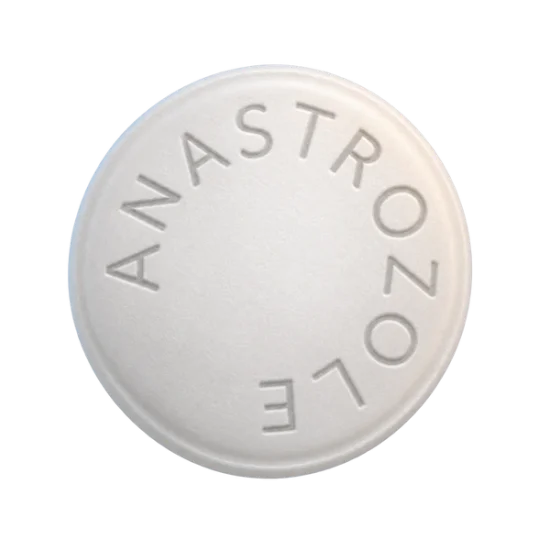
Postmenopausal adults with hormone-receptor-positive breast cancer may receive Anastrozole as part of endocrine treatment. Lower estrogen stimulation can slow the growth of tumors that depend on estrogen signals.
Postmenopausal adults with hormone-receptor-positive breast cancer may receive Anastrozole as part of endocrine treatment. Anastrozole is a selective oral, non-steroidal aromatase inhibitor that reduces estrogen production. Lower estrogen stimulation can slow the growth of tumors that depend on estrogen signals.
Anastrozole is used for hormone-receptor-positive breast cancer in postmenopausal patients. An oncology team may prescribe it after surgery as adjuvant therapy, as initial treatment for advanced disease, or after previous endocrine treatment depending on tumor characteristics and recurrence risk.
Hormone-receptor-positive means that cancer cells carry receptors for estrogen, progesterone, or both. Estrogen-dependent breast tumors may grow more slowly when estrogen stimulation is reduced. This is a treatment strategy, not a guarantee of an individual result.
Treatment choices can differ because of:
Oncologists often balance recurrence-risk reduction against long-term tolerability. Endocrine therapy can continue for an extended treatment period, yet the appropriate duration is individualized and should not be set from general online guidance.
Aromatase is a cytochrome P450 enzyme that converts androgens into estrogens. In postmenopausal adults, testosterone and adrenal androgens are important starting materials for this process. Aromatase converts part of these hormones into estradiol, one of the main estrogens active in breast tissue.
Anastrozole inhibits aromatase. Estrogen concentrations then fall, reducing estrogen-driven signaling in hormone-sensitive cells. Its anti-estrogenic activity comes from suppressing estrogen production rather than blocking estrogen receptors directly.
This distinction matters clinically. Some breast tumors are hormone-receptor-positive, meaning estrogen can encourage their growth. Other tumors lack these receptors and do not respond to endocrine therapy in the same way. The World Health Organization identifies breast cancer subtype and receptor status as central factors in treatment planning. [2]
This medication is not for you if you are pregnant, breastfeeding, have a known allergy to anastrozole or its ingredients, or are using it without an appropriate clinical indication. Anastrozole is generally intended for postmenopausal treatment because premenopausal ovaries can respond differently to aromatase inhibition.
Pregnancy requires special caution because estrogen suppression may harm fetal development. Breastfeeding is also unsuitable during treatment.
There is no reliable home method for judging an Anastrozole overdose. If too much has been taken, contact Poison Control or emergency services promptly, even if no symptoms are present. Do not induce vomiting unless instructed by emergency professionals.
Lower estrogen levels can produce recognizable hormonal effects. Hot flashes, weakness, headache, nausea, joint stiffness, joint pain, mood changes, sleep disruption, hair thinning, and vaginal dryness may occur. Some people report dizziness or nervousness, while others notice few symptoms.
Joint symptoms deserve attention because they can quietly affect daily activity. Hands may feel stiff in the morning, stairs can become harder, and grip strength may feel reduced. These effects should be discussed early rather than tolerated in silence.
Estrogen also supports bone maintenance. Long-term estrogen suppression can lower bone mineral density and raise fracture risk. Cholesterol changes may also occur, so follow-up can include bone health and cardiovascular risk assessment.
Seek urgent medical care for:
Fever can have many causes, including infection. It should not be dismissed as a routine hormonal symptom.
Anastrozole contains the active ingredient anastrozole and belongs to the aromatase inhibitor class of hormone therapies. It is used primarily in postmenopausal patients whose breast cancer cells have hormone receptors that respond to estrogen. FDA prescribing information identifies anastrozole as endocrine therapy for selected hormone-receptor-positive breast cancer settings. [1]
Anastrozole is not estrogen replacement therapy. Its purpose is the opposite: it reduces the body’s production of estrogens.
Aromatase inhibitors are sometimes described as Type-II aromatase inhibitors. This means they bind reversibly to the aromatase enzyme and reduce its activity. Selective oral aromatase inhibitor refers to its targeted action on estrogen synthesis, though this selectivity does not prevent adverse effects in bone, joints, skin, or the cardiovascular system.
Anastrozole and tamoxifen are both endocrine therapies used in hormone-sensitive breast cancer, yet they act at different points in estrogen signaling. Selection depends on menopausal status, cancer features, prior therapy, bone health, clotting history, and tolerability.
Tamoxifen does not lower estrogen production in the same way as Anastrozole. Instead, it limits estrogen receptor stimulation in breast tissue. Anastrozole may be preferred in many postmenopausal treatment plans, while tamoxifen can be more suitable in other situations.
Neither option is automatically better for every patient. A history of osteoporosis may shape the discussion differently from a history of blood clots. The American Society of Clinical Oncology describes endocrine therapy selection as an individualized decision based on recurrence risk and treatment tolerance. [3]
Changing the dose independently is a common mistake. Taking more does not improve protection against recurrence and can intensify estrogen-depletion effects. Skipping doses repeatedly can also weaken consistency of endocrine therapy.
Another frequent problem is stopping after hot flashes or aching joints begin. These symptoms are real, yet symptom management may include exercise guidance, pain management, bone-protective treatment, sleep support, or a planned change in endocrine therapy. Silent nonadherence removes the oncology team’s chance to help.
Common mistakes include:
Oncologists often balance recurrence-risk reduction against long-term tolerability. Endocrine therapy can continue for an extended treatment period, yet the appropriate duration is individualized and should not be set from general online guidance.
The American Society of Clinical Oncology describes endocrine therapy selection as an individualized decision based on recurrence risk and treatment tolerance. [3]
Do not change the dose or stop Anastrozole on your own if you do not feel an expected result. In breast cancer treatment, response is assessed through oncology visits, examinations, imaging, and the wider treatment plan rather than day-to-day symptoms. The FDA's 2011 prescribing information describes Anastrozole as endocrine therapy for defined clinical settings, so expectations depend on cancer stage and treatment goal. [4] Contact the oncology team if symptoms worsen, new lumps appear, or treatment concerns persist.
Alcohol has no widely established direct interaction with Anastrozole, yet alcohol can worsen dizziness, fatigue, poor sleep, hot flashes, and bone-health risks. Cancer organizations have also linked alcohol exposure with breast cancer risk, making moderation relevant during survivorship care. The WHO discussed alcohol as a preventable cancer risk factor in 2023. Avoid alcohol if it makes dizziness, nausea, or concentration problems worse.
Anastrozole is designed for regular daily use rather than occasional symptom relief. A dose supports ongoing aromatase inhibition, yet stable estrogen suppression depends on taking the medicine consistently as prescribed. The FDA's 2011 pharmacology data describe a long elimination half-life, which supports once-daily administration. Missing a dose does not call for doubling the next one.
Tamoxifen and estrogen-containing products require oncology review before use with Anastrozole. Tamoxifen may reduce Anastrozole concentrations, while estrogen-containing therapy can work against estrogen suppression. The EMA's 2023 product information for anastrozole advises against co-administration with estrogen-containing therapies. Bring every medication and supplement to oncology appointments, including products marketed for menopause or hormonal balance.
Older adults may use Anastrozole when it fits their oncology plan. Age alone does not rule it out, yet bone density, fracture history, kidney and liver health, fall risk, and cardiovascular history deserve careful review. NICE's 2023 breast cancer guidance supports individualized endocrine treatment decisions for adults of different ages. New dizziness, falls, or worsening joint pain should be reported promptly.
Anastrozole can cause fatigue, dizziness, headache, sleep disturbance, or reduced concentration in some people. Until you know how it affects you, avoid driving or operating machinery when you feel dizzy, unusually tired, or unable to focus. The FDA's 2011 labeling includes dizziness and weakness among reported adverse effects. Symptoms that are sudden, severe, or paired with chest pain, fainting, or neurologic changes need urgent assessment.
Your order will be securely packed and shipped within 24 hours. This is exactly what your package will look like (images of an actual item sent). It has the size and look of a regular private letter (9.4x4.3x0.3 in.) and its contents cannot be seen.
